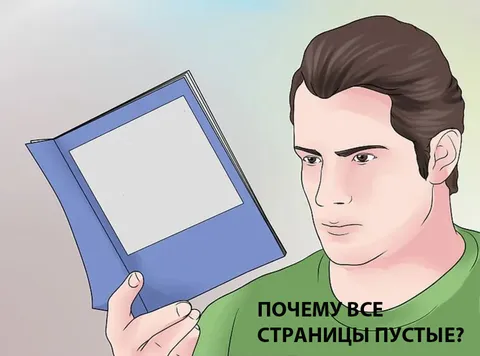
What's shown in the picture
The template is based on an illustration in a soft, cartoonish style: a smiling young man in a gray T-shirt with a light blue collar stands with his arms crossed over his chest. The background is blurred, the colors muted, and his face expresses calm self-assurance. It's exactly this expression that allows the picture to be captioned with any phrase about self-deception or misunderstanding.
Above his head and to the sides are two large white clouds, resembling comic-book thought bubbles. Their emptiness is deliberately left for text. The bubble on the left is responsible for the other person's line as literally spoken, the one on the right for how that line gets turned around in the listener's head.
How the format works
The template's mechanics are simple: two statements are set against each other. On the left is the actual phrase spoken in the conversation, on the right is what the person actually heard. The gap between them is what creates the comedy. Most often it's tied to expecting praise, to an unwillingness to accept criticism, or to a desire to take any answer as agreement.
The template is convenient to use in chats and arguments where the people involved disagree about what exactly was said. The picture doesn't require a long explanation, so it can be dropped in response to almost any "you didn't understand me."
Origin and dating
The site dates the meme to 2017, and this date is used as a reference point. However, the exact moment when the cloud template with the man standing with crossed arms became popular could not be established. The illustration resembles a stock image or a teaching illustration in the style of popular step-by-step guides, so it's quite possible the base image was taken from an open source, with the bubbles and captions added later by users.
The author of the first version and the place of its first publication are not known, so the template's creation should not be attributed to any specific blog, community, or media outlet.
How the template is used today
On the Russian-speaking internet, the template has become a universal way to joke about the gap between what's said and what's heard. It gets used when a boss writes "let's think about it" in a chat and the subordinate understands "do it all yourself," or when a friend says "we'll meet up sometime" and clearly doesn't mean any specific date.
Sometimes the picture is applied in a lighter vein too: for example, for jokes about arguments in the comments, or about the habit of only hearing in criticism what one wants to hear. The meaning doesn't change here: the meme isn't mocking a specific person but a typical situation in communication.
A good example of its use usually looks simple: one bubble contains a phrase the other person wrote in a hurry, and the other shows how it was read the second time around, now with irritation or with hope for a completely different meaning. That contrast is understood by anyone who has ever tried to explain a simple thought in a chat, where tone and intonation can't be heard.