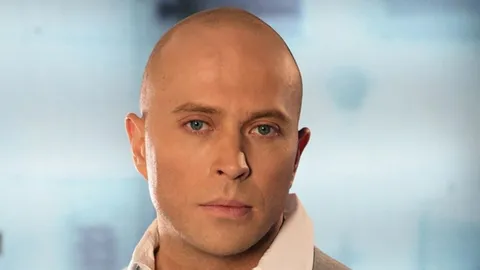
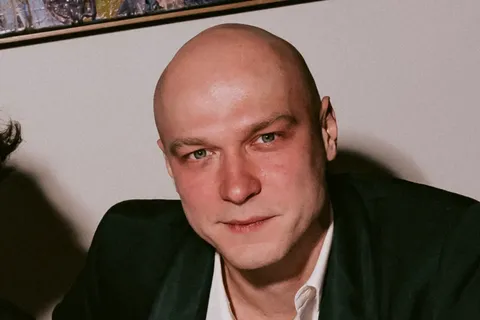
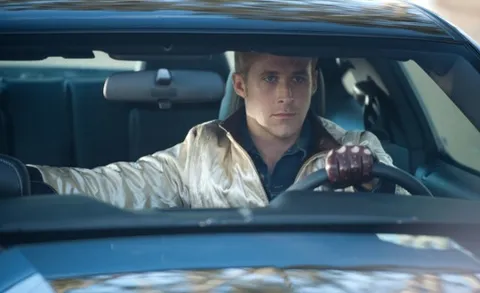
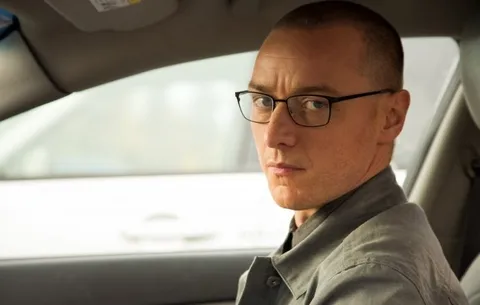
The action-hero image meets an interview
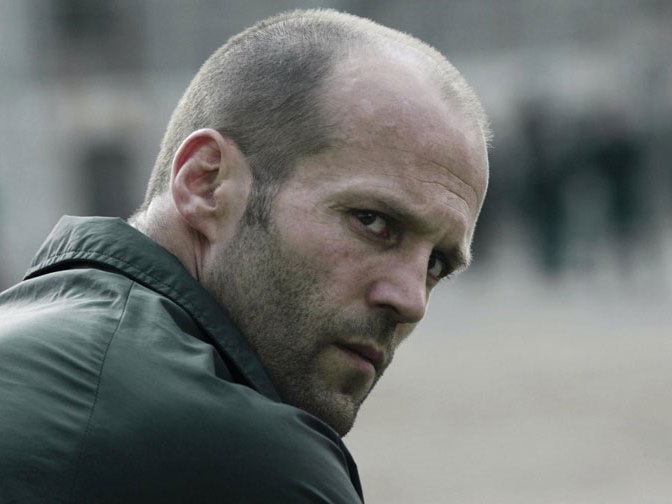
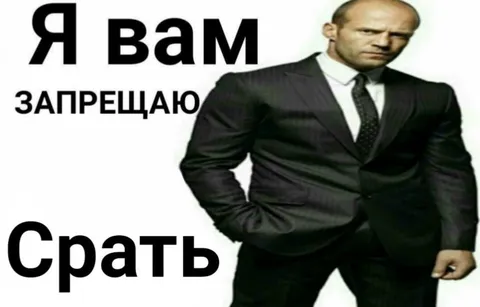
Jason Statham played criminal and action-film heroes whose composure and readiness to act quickly were easily turned into an internet persona. In 2013, the actor gave interviews to Russian media while promoting “Parker.” In one conversation he said he could not imagine who watches his films; this is a real answer to a question about the audience. Later, short aphorisms began to appear alongside genuine excerpts, written as though they had been said by the stern hero in the portrait.
According to later chronology, in the same year collections of his statements began circulating online, and a group with “Jason Stethem quotes” appeared on VKontakte in January 2014. This is a useful distinction: the image’s popularity rested both on real interviews and on texts that imitated their laconic confidence. A portrait without a caption does not, by itself, confirm any of the phrases.
How pseudo-wisdom is recognized
A pseudo-quote often turns a simple observation into a final rule: it takes a familiar feeling or everyday situation and presents it as a stern law. On a portrait with an impassive face, such a phrase seems at once serious and excessive. The comedy arises not from nonsense alone but from the gap between a weighty tone and a banal piece of advice. The simpler the thought and the more important it sounds, the more obvious the parody of the aphorisms people share in their status updates.
A genuine interview has the context of the question and answers to neighboring questions; a meme caption usually keeps only a finished sentence. A torn-out line can sound like a rule for living, even though the actor was talking about a specific film or career. A fake phrase deliberately uses the same effect: the reader does not need to know its origin to hear the tone. That is why the portrait and text can work as a character generator even when they do not convey Statham’s actual opinion.
The portrait as an empty space for a new line
Unlike a ready-made quote, a portrait without a caption leaves the viewer a clean field. Statham looks straight ahead, and the absence of text allows either a real line or an invented one to be attached to him. The frame itself works through the actor’s recognizability and his screen image; a short caption turns this image into a speaking “author.” As a result, the post often reads as if it were a found quotation, even though the caption may have been created specifically for it.
Over time the series came to live as a collective continuation, in which new authors composed variants and tested how far the tone of an unbreakable everyday truth could be pushed. At the same time, the public face remains the face of a real actor, so it is useful to distinguish his verified interviews from fan jokes. This does not spoil the game: on the contrary, when the reader recognizes the conventional voice of the meme, they understand why a new line sounds convincing within the frame of the portrait, even if it was never said.
The examples are invented
Invented caption: “If your jacket didn’t get wet, it means the rain was just testing you.” An ordinary stroke of luck takes on the form of a hard rule, as if spoken by an action hero. Another variant: “The day’s plan didn’t fall apart — so it just hasn’t met Monday yet.” Here a simple expectation of a difficult week is presented as a fateful regularity. None of these lines is attributed to Statham.
The third example plays on a genuinely short answer from an interview: the question about the film’s audience can be set against an invented caption, “Watch it first, then decide whether you liked it.” The contrast shows how a real line and an invented rule differ in meaning and purpose. The first answers a journalist’s question; the second merely imitates confident aphorism. All captions in this section are invented.