Who is shown in the picture
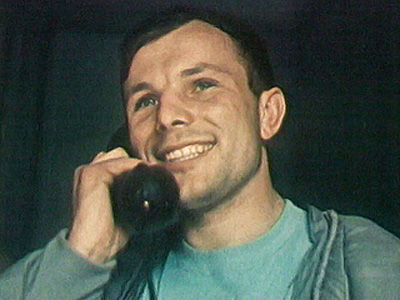
The photograph shows Yuri Gagarin, who on April 12, 1961 became the first person to travel into space. The shot of him with his broad smile and a telephone receiver at his ear is often used in internet humor as a recognizable symbol of Soviet optimism. It's precisely this good-natured smile that creates the contrast with the comic's sad plot.
The flight aboard the Vostok-1 spacecraft established Gagarin's image as the winner of the space race, and his name is known around the world. That's exactly why he fits the joke about the future: the viewer expects great discoveries from the descendants and instead gets an unexpected, disappointing answer.
The comic's plot
The four panels follow a single pattern. Gagarin addresses people of the future with a question about how they live and what they're proud of. The caption "Hello, descendants! How are things there?" sets the tone: it's a greeting from the past that carries the expectation of flight and new discoveries.
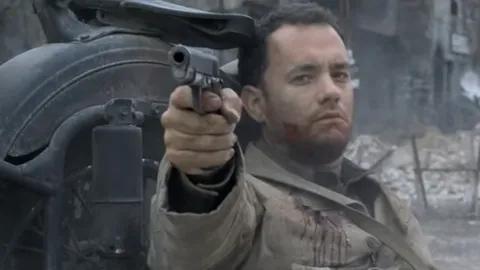
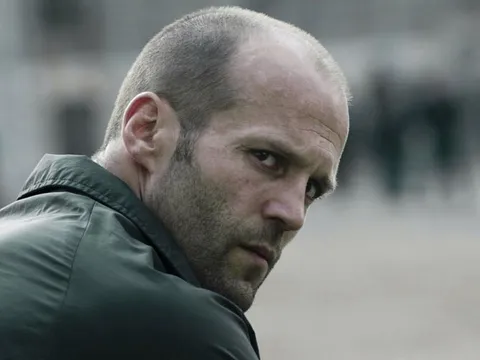
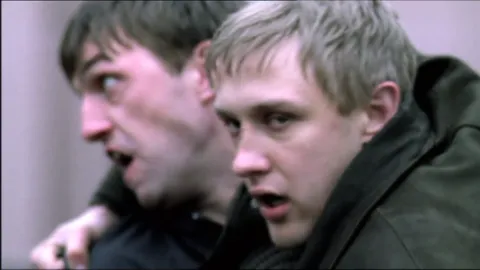
In the final panels it turns out that the descendants don't talk about conquering Mars or curing diseases. Instead, Gagarin reads news about gadgets and inventions that seem to him completely pointless. His sadness becomes obvious, and the joke is built on the gap between expectation and reality.
Why the joke worked
The comic doesn't mock technology as such, but consumerist progress. Viewers recognize familiar storylines in the "news from the future": smart devices for trivial tasks, apps for everything under the sun, and products that solve made-up problems. Against this backdrop, Gagarin looks like a symbol of real achievement, which the present day sometimes lacks.
It matters that the character doesn't mock people. His sorrow is understandable and evokes sympathy, so the meme is perceived as good-natured irony rather than ridicule. For the Russian-speaking audience, the cultural code also worked: Gagarin's image is familiar to everyone, and his reaction comes across as very personal.
Spread and variations
The comic appeared on the Russian-language internet around 2015 and spread across social media as images with short captions. The exact author and first publication are not known.
The four-panel format is popular in Russian-language communities. Authors often swap the character while keeping the structure: a well-known historical or cultural figure asks about the future and receives a disappointing answer. Such variations show that the joke doesn't rest on a particular face but on the "expectation versus reality" scheme.
Cultural context
Gagarin became one of the most recognizable faces of the Soviet era. His flight in 1961 was seen as a leap forward, and for many generations the image of the future is tied specifically to space and scientific optimism. The comic draws on this memory to show how much people's expectations of progress have changed.
The meme also conveys a longing for great goals. Many users compare news about technical novelties with the space exploration program and conclude that many modern developments look petty by comparison. The comic is funny largely because there's a grain of truth in this comparison of scale.