Dinner before the BAFTAs
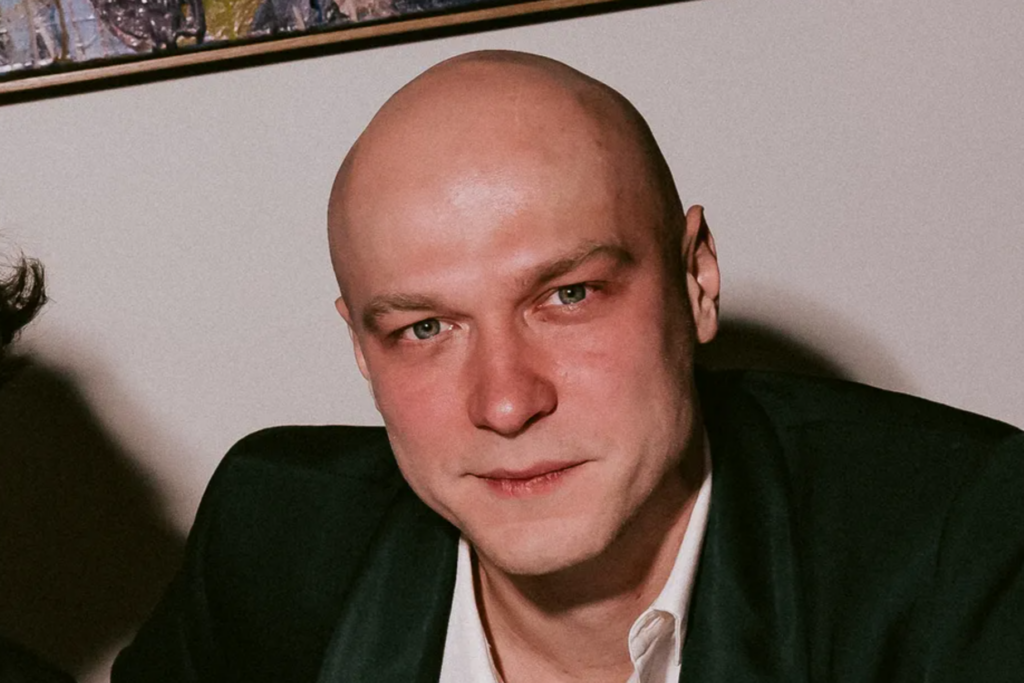
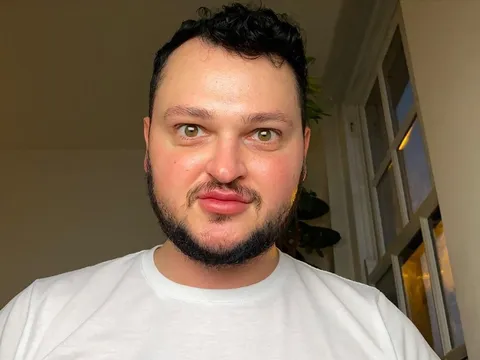
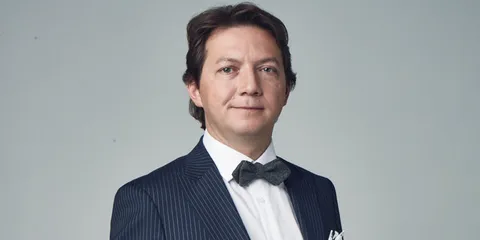
On February 16, 2025, Yura Borisov and Mark Eydelshteyn attended a London Excellence in Film dinner that GQ held together with Paul Smith on the day of the BAFTA ceremony. Press photos showed the actors at the table. One shot of Borisov stood out in particular: he's slightly squinting, relaxed, and smiling. The photo was soon being compared to a typical Russian festive gathering and the recognizable figure of a chatty relative.
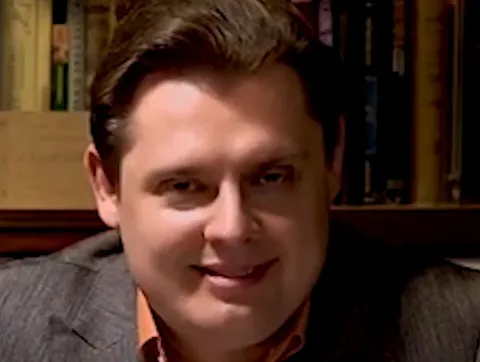
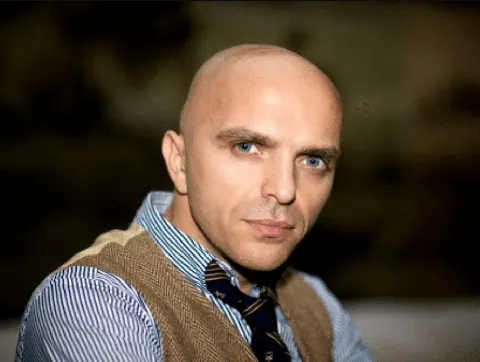
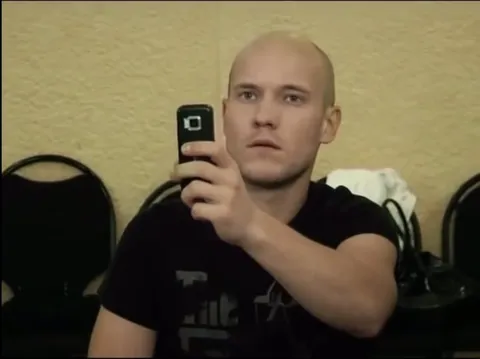
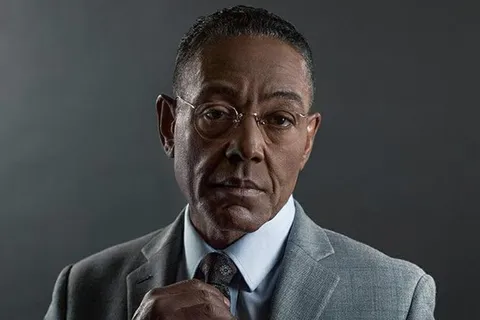
The meme reimagines the formal evening as a family dinner at home. The tuxedo and the international film-industry occasion fade into the background, while the facial expression takes on a more mundane role: as if the man has already poured the tea, heard the story, and is about to chime in with a comment. This particular image shows a doctored close-up version with a bald head against a dark suit. It alters the original portrait's appearance; captions for it are best built around the grotesque variant or the dinner-party image itself, without passing the picture off as an unaltered shot from the dinner.
Where the recognizability comes from
The joke has two cultural layers. The first is the specific actor, well known after the film Anora, in which Borisov played Igor. The second is a mundane role, familiar regardless of the film: the uncle or family friend at the table who benevolently watches over everyone and keeps the conversation going. Because of this, the meme works even for viewers who weren't following awards season.
The ruddy face and calm smile allow for different readings: a cheerful guest, an attentive listener, or a man about to tell a story. The version with the altered head amplifies the sheer absurdity of the image itself, but it shouldn't be conflated with the original photograph. If what's needed is specifically the recognizable "Borisov at the table" template, it's better to use the plain shot; if this particular image is used, the comedy can lean on the obvious manipulation itself.
Original captions for "Yura Borisov at the table"
"The uncle heard that someone in the family is thinking about changing jobs, and he's already ready to tell the story of how he started from scratch in the nineties." The caption places the character in the dinner-table role and promises a familiar long story.
"I sat down for five minutes, and now I know who's related to whom and why they're not on speaking terms." Here Borisov is that same guest who's gotten thoroughly absorbed in the family news.
"When the cake comes out, and you've already finished your story and are ready to hand the floor to the next person." This is a gentler version: the joke is about the rhythm of a shared celebration, not about a specific relative.
Where to use it
The image suits conversations about family gatherings, long dinner-table talks, and sudden family revelations. It can express warm nostalgia for the kind of people who gather a crowd around themselves. It's better to caption the scene good-naturedly, so the resemblance to "the uncle at the anniversary party" stays a playful role association rather than mockery of the real person's age or appearance.
When using the doctored image, you can directly play up the surreal portrait — for instance, imagining that the family story has gone on so long the storyteller has had time to change his hairstyle and appearance. But if it matters to the reader to understand the meme's history, the original dinner shot should be shown or described separately. That way the distinction between the real event photo and later visual reworkings stays clear.