Who is Sergey Druzhko
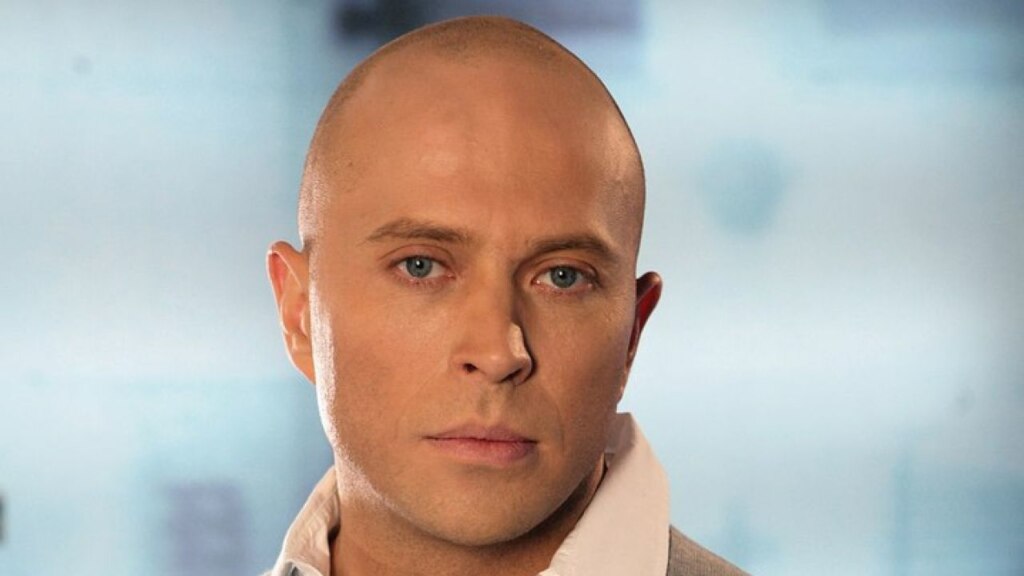
Sergey Druzhko is a TV host who gained most of his fame through programs devoted to mysticism, unexplained incidents, and paranormal stories. His delivery relied on a serious tone: he talked about strange events as though he were prepared to discuss them in earnest, and it's exactly this contrast between the format's gravity and the viewer's skepticism that became the basis for later jokes.
Later, Druzhko hosted the internet program "Druzhko Show," aimed at an online audience. The format was closer to entertainment video, and viewers came to see the host as a recognizable figure in his own right, not just as a participant in a TV program. Details of his career, including the exact years he worked on each program, were not verified for this article, so they are given without dates.
Where the line comes from
The line "Of course, I'm not going to check that" is linked to the program "Unexplained But True," in which the host commented on a dubious report and declined to personally confirm whether it was true. The exact episode and date vary across the versions in circulation, so the phrase's original source could not be established with full certainty. It's usually cited in discussions as an example of a tactful yet frank refusal to verify something.
The appeal of the line lies in its tone: the host simultaneously admits he won't look into the matter and implies that the story itself isn't worth the trouble. That combination of the program's seriousness with irony is what makes it so easy to transplant into other contexts.
How the line became a meme
The meme spread through video clips and social media discussions, where users began quoting the line under posts that seem untrustworthy: stories of miracle cures, dubious diets, conspiracy theories, or overly fantastical news. The line works as an ironic disclaimer: the commenter pretends to be willing to believe it while passing the responsibility for fact-checking on to someone else.
The key element of the humor is the mismatch between a serious topic and a casual refusal to verify it. The viewer recognizes the host's familiar tone, which makes the meme understandable even to those who never watched the show in full.
Ways it's used
In comments, the line most often appears in the form "I'm not going to check it, but I believe it" or "I won't check it, but I'll give it a like." This usage jokingly hints at the commenter's own gullibility while also acknowledging that fact-checking takes time most users don't have.
Fans of Druzhko's programs use the meme as a recognizable reference, while unprepared viewers take it as an ordinary ironic remark. In both cases the line carries no insulting meaning: it's aimed at the situation, not at the host personally.
Its place in the Russian internet
The meme is a good illustration of how a line from a TV broadcast can outlive its original context. The phrase has become universal, and it's understood even by people who have no idea who Sergey Druzhko is. This path is typical for Russian-language memes born on television: a single line pulled out of a program outlives the program itself.
It's worth noting that attitudes toward the meme are generally good-natured. The host isn't turned into a target of ridicule, and the line itself is seen as a lucky find that's convenient to drop into a conversation. That's exactly why the meme stays popular and isn't tied to bullying or condemnation.