Ken renames the Dreamhouse
The phrase appears in Greta Gerwig's film "Barbie," released in the summer of 2023. Ken discovers patriarchal symbols in the real world and returns to Barbieland with the idea of setting up his own order. He takes over Barbie's Dreamhouse, adds horses, fur, sports gear, and renames the space "Mojo Dojo Casa House." The comic effect comes simply from the fact that the long name strings together several words about power, training, and home without trying to be logical.
The house in the film isn't just a set piece. It shows how Ken tries to build an identity out of surface signifiers, without having an occupation or purpose of his own. The name sounds impressive, even though it literally just lists a set of desired attributes. In the meme, this phrase has come to be applied to rooms, apartments, and interiors that show the same clichés — horses, game consoles, sports gear, dark wood, or demonstratively masculine decor.
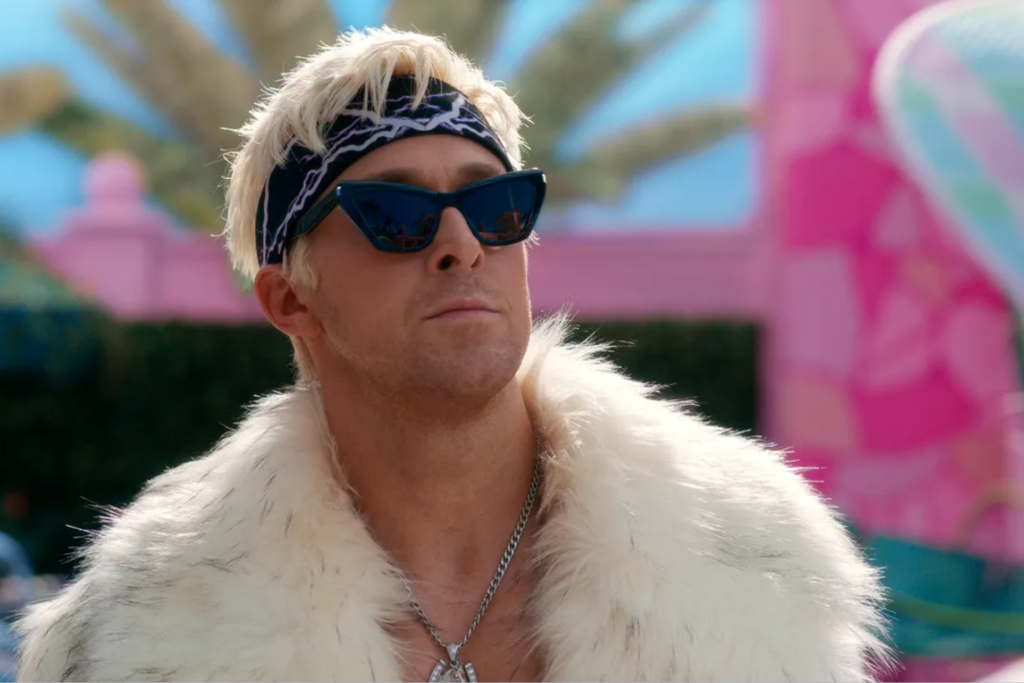
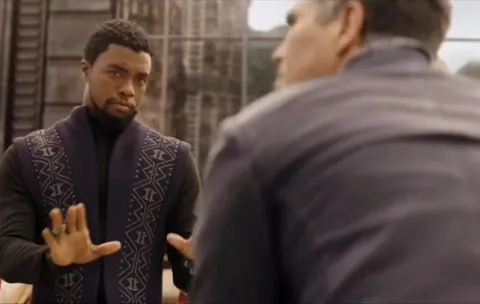
The image shows Ken in white fur clothing and dark sunglasses, characteristic of his "cowboy" transformation. This isn't a real interior or a photo of an actual house; the character is associating himself with an imagined image of masculinity. So the joke is usually about the character's style and fantasy, not a claim that all men furnish their homes the same way.
Irony in a grandiose name
The words "mojo," "dojo," "casa," and "house" — from different language contexts — are stacked on top of each other. The repetition and redundancy make the house's name sound like an attempt to sell a very important concept, even though a few simple objects are hiding behind it. In the original scene, this helps show Ken adopting not the structure of society but its flashy outward signs. In memes, the name became a label for any space whose "idea" seems far grander than its actual purpose.
You can caption a room where the computer takes up half the desk, or a garage its owner turned into a personal headquarters, with this image. For example: "my studio after buying a second monitor" — next to a gaming cockpit and a horse poster. The joke lands when the image noticeably overstates its ambition: an ordinary space declared special male territory. There's no need to mock people for their hobbies; the target here is the loud posturing and the attempt to build a personality out of decor.
From film line to comparison format
After the film came out, the phrase started being used as a stand-alone reaction. It's applied not just to a room done in that style, but to any space someone has ceremoniously renamed as a joke. You can picture "Mojo Dojo Casa House" in a storage closet with a pull-up bar, or on a balcony with a gaming chair. The film's recognizability lets you skip the explanation: the name plus a fitting detail is enough to convey the urge to look cooler than one actually is.
The name shouldn't be translated literally in every caption: how it sounds is part of the joke, and different Russian adaptations just bring it closer to the audience. If a reader hasn't seen the film, a brief caption helps make clear it's Ken's house after he redid Barbie's Dreamhouse. It's also worth remembering the film's final context: Ken doesn't get a ready-made identity along with the house — he has to go find one on his own.
How to use the house image
Make a real place the subject: a desk, a teenager's room, a barbershop, a gym, or a kitchen after a shift. Add a noticeable detail and a caption that overglorifies the setting: "the council chamber where the pizza's fate is decided" or "the gamers' assembly hall after choosing the game." The simpler the space and the more grandiose its name, the clearer the contrast.
The same device works as a comment on advertising language in general: a few loud words, and an ordinary bar cart turns into a whole "lifestyle concept," just like Ken's garage became "Mojo Dojo Casa House." But don't reduce the film to a slogan about men or women: the story shows a specific character, his confusion, and his attempt to find meaning. The most accurate version keeps that theatricality in the joke — Ken trying to be the main character of a house that was originally made for a different doll.