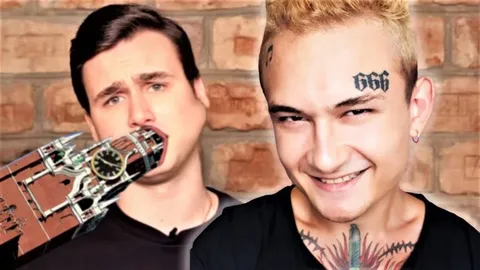
The author and the show
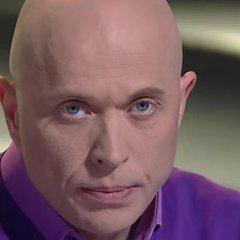
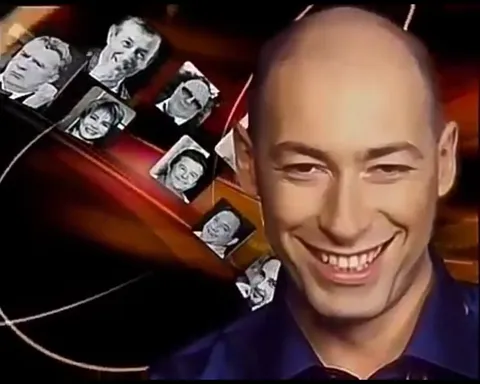
Sergei Druzhko is a Russian blogger and host known for video channels and entertainment programs that aired on YouTube. Nikolai Sobolev is also associated with the meme, and the phrase belongs to the blogger scene, which indicates the format in which it was born.
'Druzhko Show' is built on a conversational format in which the host talks with guests, discusses internet news, and jokes about what's happening. Such a format is fertile ground for short phrases that viewers happily repeat.
What the phrase means
The expression 'let's hype it up a little' sounds like a suggestion to stir up a bit of noise around a topic. It combines the colloquial 'khaipanyom' from the word 'hype' with the diminutive 'nemnozhechko' ('just a little'), which softens the intention. The result isn't a serious plan but a playful admission of wanting to attract attention.
The phrase's meaning rests on contrast: a direct goal is stated, but it's presented as something soft and almost childlike. That contrast is precisely what makes the expression memorable.
Colloquial phrases from video shows often outlive the episodes themselves, because they're easy to repeat in a comment or in a chat. A short formula that sounds like both an admission and a joke at once fits that role well: it can be said without preparation and without the risk of sounding serious.
How the meme appeared
The exact circumstances under which the phrase became a meme are not known. The meme dates to 2017. It likely spread through clip compilations and comments, where viewers singled out the successful line and used it as a template.
The meme quickly spread beyond the original show. It began to be applied to bloggers, news items, and discussions where someone is clearly trying to attract attention but does so with irony and without serious aggression.
It's also worth noting that the phrase isn't tied to any particular topic. It can be applied to a product launch, an event announcement, or one's own social media post. That universality is what helped the expression move from the broadcast into everyday language.
Ways it's used
The phrase works as a comment on an announcement that seems too loud, or on a post that's deliberately engineered to gather reactions. It's also used in self-deprecation: the author admits that their own post is an attempt to add some noise.
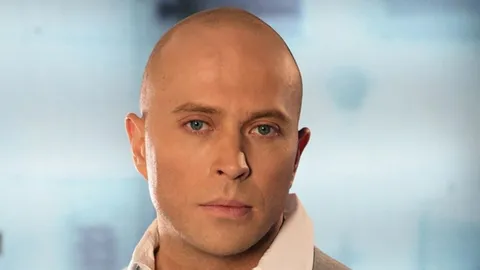
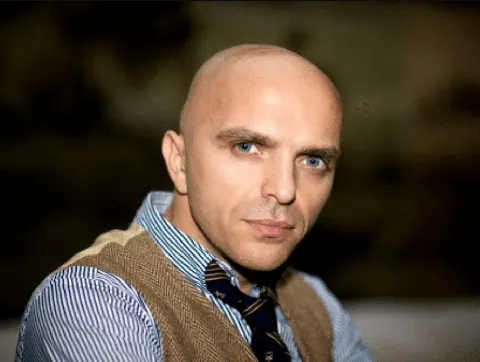
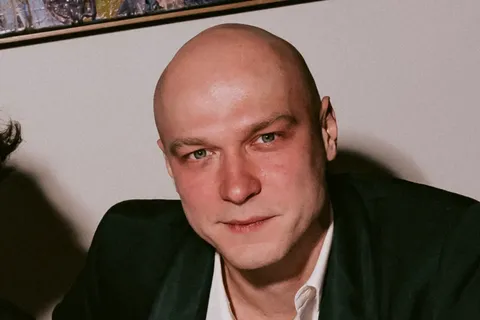
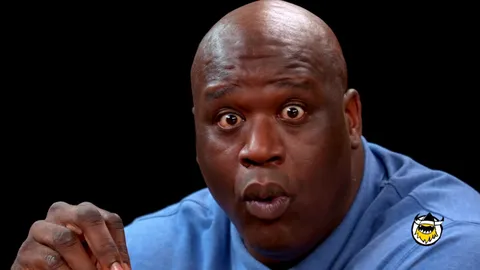
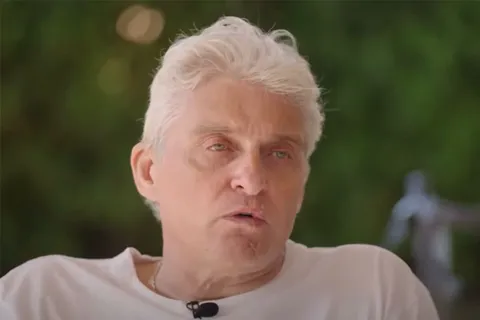
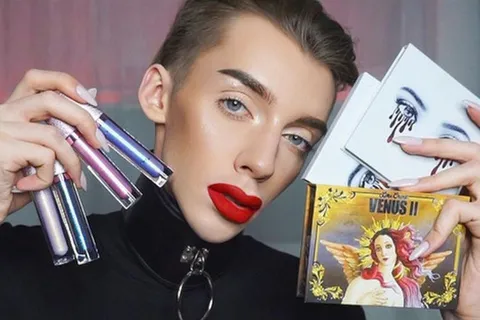
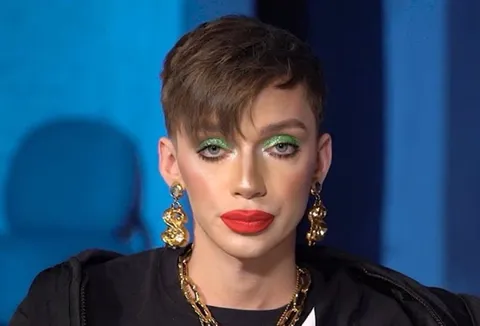
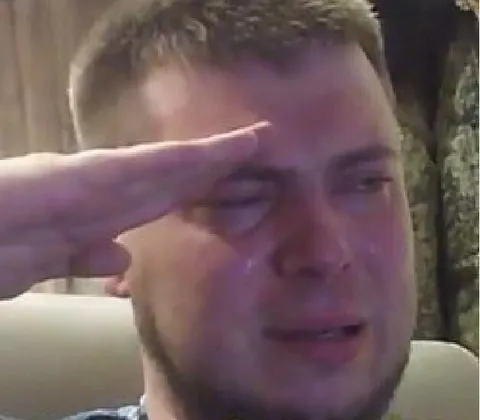
Pictures of the author's face accompany the caption in the memes, but the meme itself isn't built on appearance. Its meaning lies in the tone and in the open admission of an obvious goal, which is why the joke stays good-natured.
Its place in the context of hype
The expression fits well into conversations about hype and anti-hype. It differs from the sharper 'khaiponut' in its softness: the speaker isn't condemning the noise but openly admitting the desire to attract attention. Because of this, the phrase comes across more as a friendly joke than as an accusation.
The meme shows how a spoken line from a talk show can become a language template. Such phrases outlive the broadcast itself and keep working in chats and comments.