What is visible in the picture
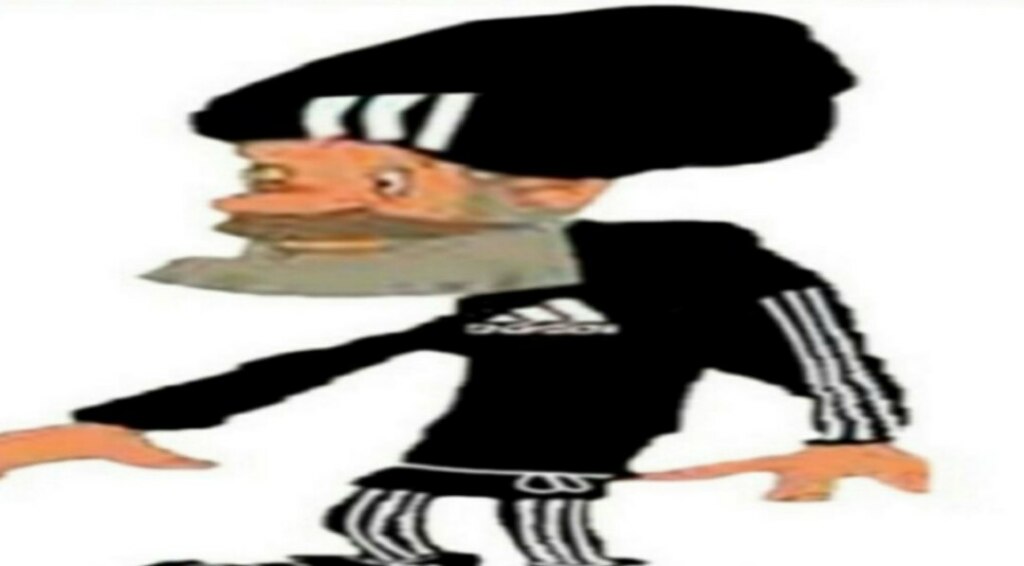
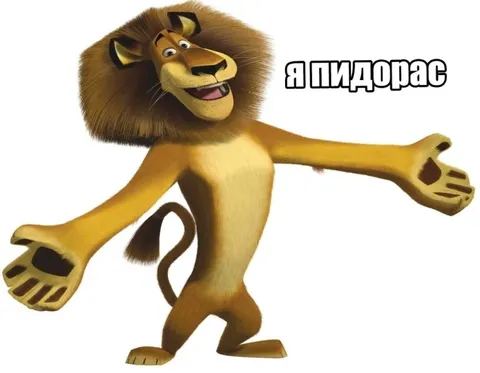
The image is a cutout character on a white background, with no surroundings and no caption. The old man is shown in profile, turned to the left; the figure is stretched and slightly distorted. His head is covered by a large black headwear with white stripes, the beard is gray, the face is pinkish-reddish, the nose is big, and one eye is wide open. His arms hang down and are pushed forward and down, as if he is walking or carefully showing something.
He wears a black tracksuit with white stripes along the sleeves and legs and a brand name on the chest. This detail is what makes the frame a meme: a familiar fairy-tale look ends up in ordinary street clothes. The image quality is low, the edges are pixelated, which is typical of memes that have been re-saved many times.
The character and its origin
The old man is called Grandpa Tikhon and is attributed to Russian animation about epic heroes (bogatyrs). However, which exact cartoon and episode the figure comes from, and who cut it out, put the tracksuit on him, and when, is not reliably confirmed. The date the image appeared and the name of the person who edited it should not be given.
Only what is visible can be stated with confidence: this is a cut-out hand-drawn character in an “Adidas-style” tracksuit. This kind of uncertainty is normal for abstract memes, which have no single original source but a long chain of copies.
Why the tracksuit works
The meaning of the meme is a shift of context. An old fairy-tale character arrives in the world of street fashion, where a brand logo serves as a sign of belonging to a certain culture. The viewer immediately sees two images: the epic grandpa and a kid from the yard. The joke is short but relies on a pause: first you notice the familiar hero, then the stripes, and only after that does the laugh come.
Abstract memes of this type are often called post-ironic: the joke does not explain itself and does not need explaining. There is no satire on a specific person and no hidden message here. It is a play on familiarity and on the expectation that an old image should not wear modern clothes.
Caption examples
A caption is not required for this frame, but short phrases strengthen the contrast. Several variants, made up for illustration.
“The old man has been in new sneakers for two days and already passed everyone on his morning run.” The caption collides the fairy-tale slowness of the figure with the unexpected sporty energy the outfit suggests.
“Look who signed up for the morning club.” The pause works: the phrase talks about wanting to look modern, while the picture shows it almost worked.
“A bogatyr-style warm-up before a three-kilometer run.” A joke built on the mix of epic style and sports terminology: the word “bogatyr” sounds lofty, but the subject is a simple warm-up.
How to use this template
Captions about sports, fashion, or everyday situations suit this frame best. The simpler the phrase, the stronger the contrast. Do not add real people's names or other people's photos: the joke rests on the drawn character and the recognizable clothing, and extra details would blur it.
If you want a version without a caption, leave the white background and do not crop the stripes on the sleeves: they are the main visual signal. A cutout silhouette reads faster than a frame with a background, so this version works well for short posts and comments.