What the image shows
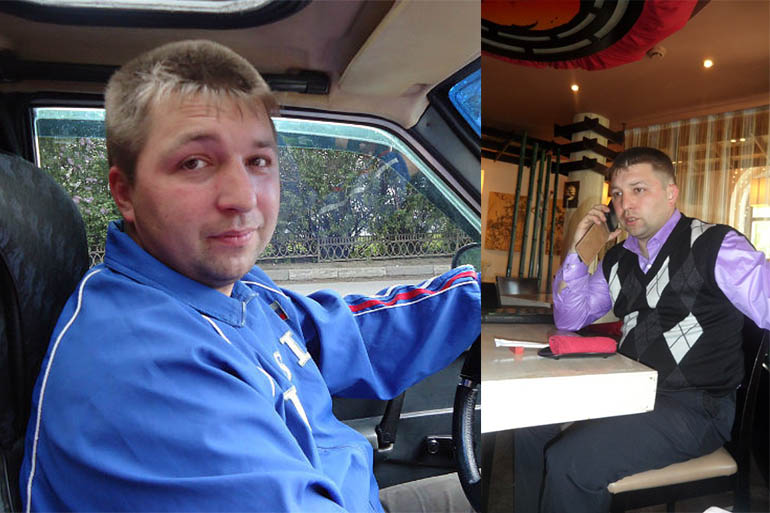
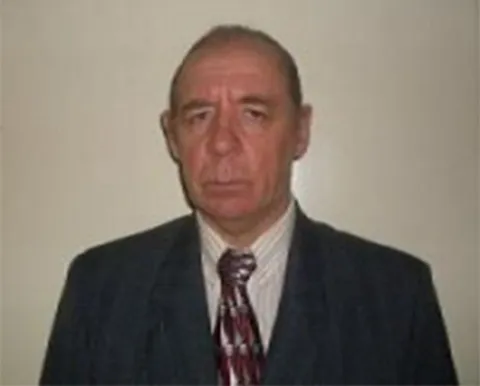
The local picture is assembled from two photographs: a man in a blue uniform shown in a domestic setting, next to another frame in which a similar-looking man is indoors with food and a colleague. Online, the images were captioned with the name Denis Chernukhin and linked to crude rhyming verses on political themes. The photos themselves do not prove that the person pictured wrote those texts.
A meme persona of the “Z-poet” formed around the name, and users parodied it with captions of hyperbolic profanity and unexpected comparisons. But journalists at The Village found a man with that name who, according to the outlet’s report, denied authorship and said he had applied to the prosecutor’s office over being credited with the texts. This is a substantial limitation on attribution, not a minor detail.
The limits of what is known
Screenshots and reposts were widely copied without links to the original account. Some posts name alternative names or pages, but available retellings diverge and provide no reliable chain of origin. From the local collage it is impossible to establish who made the first compilation, where the man was filmed, or whether both frames are linked to one author.
Therefore it is more accurate to describe the meme as an online image with disputed attribution. One should not write that the real Denis Chernukhin definitely composed the well-known verse or holds the views expressed in the text. Moreover, to explain the meme there is no need to repeat its graphic wording in full: it is enough to note that its basis was a deliberately shocking rhymed phrase.
Why it went viral
The effect comes from the contrast between ordinary photographs and a deliberately crude literary style, as well as a recurring caption implying the text has an official author. Pairing a domestic image with a provocative rhyme lets the format be carried over to any news item or clumsy comparison. Parodies often replace the original text with a safer, absurd formula.
The format also shows how easily an internet image sticks to a person when a photo circulates together with someone else’s text. Repeating a name in memes does not turn a hypothesis into a proven fact. This is a good example of why attribution should be checked before publication, especially when it concerns a real person and politically charged material.
Safe parody examples
One can keep the rhythmic hyperbole and replace the crude phrase with a harmless one: “Like a huge suitcase in a tiny lift, so the deadline burst into the plan.” Or: “Like the only cable in a crowded port, so Monday entered the calendar.” Here the comedy rests on an excessively solemn comparison, not on a defamatory attribution to a specific person.
For a satirical card one could write: “The internet appointed an author — the source of the appointment has not been found.” Another option: “There are lots of reposts, the original is still being searched for.” These captions joke about the mechanism of distribution and do not reproduce profanity. If the meme itself is being discussed, be sure to state that the link between the person in the photo and the verses has been publicly disputed.
If a publication mentions the verses, do not distribute them as works by the person in the photo without confirmation. The journalistic check makes the attribution contested. It is more accurate to say “texts attributed to the name in meme reposts” and separately note that the person found denied authorship. This helps preserve the history of the viral joke without harm to a real person.