The post of October 10, 2017
On October 10, 2017, Pavel Durov published a post on the day of his 33rd birthday and VKontakte's 11th anniversary. The text was addressed "to everyone engaged in creation," meaning creators of products and projects. In it, Durov listed seven things he had given up "many years ago": alcohol, animal meat, pills, nicotine and drugs, coffee and tea, fast food along with sugar and soda, and television and similar media. He urged other creators to give them up too.
The post was written in the style typical of Durov's short manifestos with advice. Many took the list seriously, but it contained some unexpected items, and it was this contrast between the serious tone and the mundane advice that became the basis for the later joke.
From joke to flash mob
On the very day it was published, users began comparing the manifesto to the seven deadly sins and offering their own versions. The social network founder's advice became a target for irony: any list of "things you should give up" read as a parody of moralizing.
The joke gradually turned into a flash mob format: users wrote their own lists of seven items under the common title "Seven things I gave up." The flash mob lasted several days, with most of the characteristic posts dating to October 10, 2017.
Examples of the flash mob
The variations were very different. Some authors posted short one-item statements, others built absurd lists. Notable examples include a post with the single word "sorry," a seven-point list about pineapple whose last item read "on pizza," and an "honest" version whose only item was "living in Russia."
Some posts were built around political slogans, others around everyday objects like a building entrance, a curb, or buckwheat. This range shows that the format was a convenient template that anyone could fill with their own content.
The image in the catalog
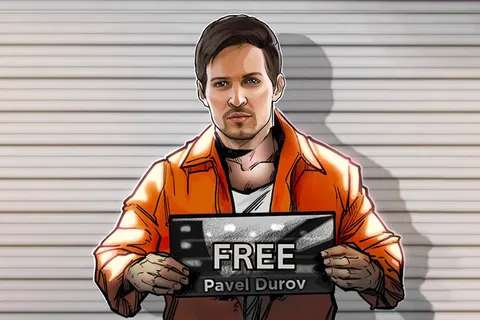
The picture in the catalog is a photograph of Pavel Durov himself: a dark-haired man in black clothing looks to the side, standing by a light-colored stone column. The list itself isn't visible in the image, so the picture illustrates the meme's central figure rather than its content.
This is a fair caveat: the image alone doesn't convey what the meme is about. Understanding it requires the text of the post and the flash mob examples given above.
Significance for the Russian-speaking internet
The meme fit into a long-running tradition of ironic lists and "manifestos" that users of Russian-speaking social networks create around well-known people. Durov's post was a convenient occasion because its format was recognizable and its author widely known.
The phrase "seven things I gave up" became established as a recognizable formula for irony. It's used even when there's no reference to the original post, since the template itself is understood without explanation.
How the meme is used
The meme is usually used as a template for a list of renunciations in which the items become increasingly absurd, or conversely, where one serious item is placed at the end. Most often these are short captions on pictures or screenshots in chats and comments.
The meme is a good example of how a short post by a public figure can become material for collective irony. An important part of the mechanics remains the contrast between the serious tone of the original text and the mundane absurdity of the parodies.