What is visible in the photo
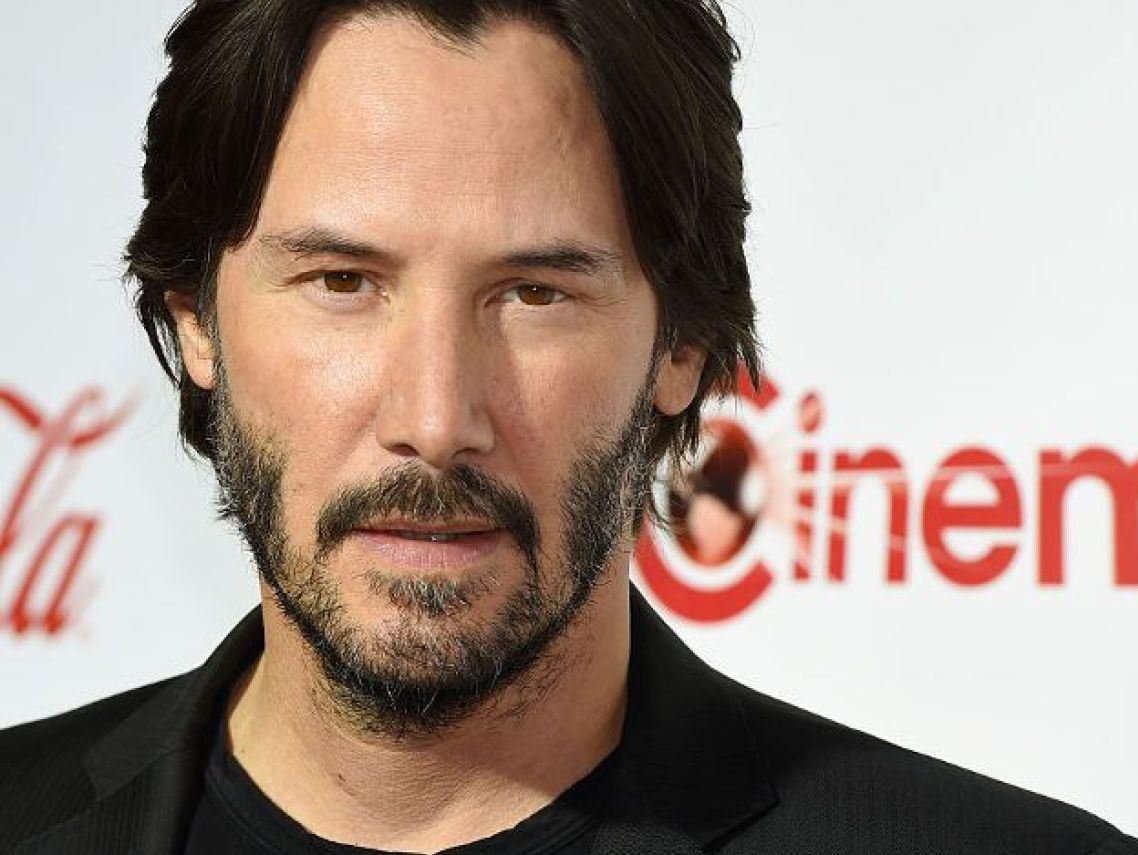
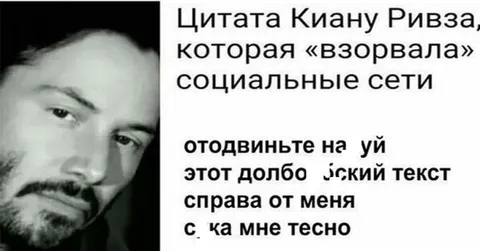
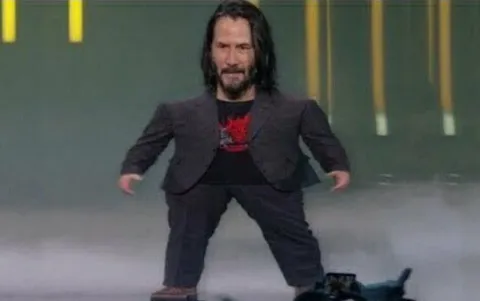
A close-up of a man with dark shoulder-length hair and a neat beard, with gray visible on the chin. He wears a dark jacket and a black T-shirt. His head is turned slightly, lips closed, gaze directed straight at the camera. The expression is calm and a little serious: no smile, no gesture, only a focused look.
The background is light, with red lettering: on the right one can make out “Cinem…” after a round logo, on the left a fragment of an inscription in the style of Coca-Cola. Such backdrops are set up at film-event photo zones, but the frame itself does not reveal the date, the event or the photographer. The origin of this specific photo has not been established, so what follows concerns the actor's image and the memes associated with it.
The image of a calm hero
The meme relies on contrast. The actor is known for action films, where his characters fight and brood in silence, while in interviews and in public he often speaks softly and thanks those he talks to. This difference became the basis of the jokes: the viewer sees a person who plays tough guys but seems modest and polite in life.
In popular texts he is called the kindest person on the internet. This wording comes from blogs and media, not from a poll, but it accurately conveys the general feeling of the audience: his public manner made him a convenient hero for warm stories. It is important to remember that this is an image, not a biography: the jokes work with a public figure, not with private life.
The “Sad Keanu” photo
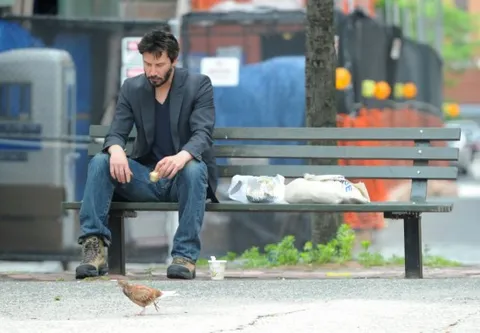
The most recognizable meme involving him is tied to another photo. According to descriptions in publications, the shot was taken in 2010: the actor sits alone on a park bench, looks at the ground, and eats a sandwich. The pensive look and the loneliness made the frame a symbol of sadness, and then cheerful versions and supportive captions appeared: people began using it for any gloomy mood.
Later the actor himself explained that at that moment he was simply lost in thought and hungry. The photographer is usually not named in publications about it, so nothing can be said about them: the meme lives by the frame itself, not by its story.
Caption examples and how they work
Below are independently invented captions for the template. These are not quotes or facts about the hero.
“Someone asked in the chat who's taking weekend duty. I say nothing, but very thoughtfully.” The caption turns the calm face into an everyday situation. The funny part is that the person in the photo looks as if he is making an important decision rather than dodging responsibilities.
“A colleague said the deadline is tomorrow. I'm already eating a sandwich, so the deadline doesn't concern me yet.” The reference to the lunch story works without explanation: the viewer knows the context, and the caption only hints at it.
“You were called the kindest person in the chat, and you've already finished the last sandwich.” Here the contrast is between praise and modest everyday life: a loud title turns into a trifle.
“Asked how the day went. I answer with the same calm look as on a movie premiere poster.” The caption relies on the pause and intonation: there is no answer in the frame, so the viewer completes the line themselves.
How to choose the tone
The template works well in gentle jokes: about tiredness, lunch, calm and everyday trifles. It is poorly suited to captions that attribute specific actions, illnesses, relationships or views to the hero. Such plots are no longer about the meme but about the biography, and they cannot be relied on without a source.
If you need a short reaction in a chat, one line is enough. For a longer story it is more convenient to take the bench-and-sandwich plot: it is recognizable and needs no explanation. The main thing is to keep the same calm expression as in the photo, otherwise the joke loses its foundation.