A call from an ad
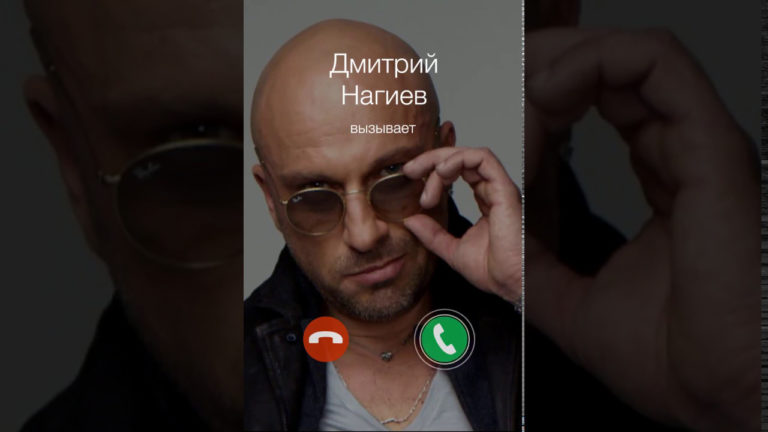
The basis of the picture is connected with the MTS advertising spots featuring Dmitry Nagiev that appeared in spring 2018. In the ad context, the smartphone shows an incoming call from the actor. For viewers this was one more way to include the familiar hero of the campaign in a story about connection: the celebrity exists not only in front of the camera but also as a person whose number has suddenly turned up in another character’s phone. Later this short screen began to be spread separately from the storyline.
By the summer of 2018 the image had moved into communities with abstract jokes on VKontakte. It was compressed, remade and combined with other popular pictures. The advertising offer disappeared, but the strange call remained. Instead of a finished sketch, what emerged is a pause that does not explain why Nagiev is calling or what happens after one answers. The first author who separated the frame from the commercial has not been reliably established.
Buttons that force a choice
At the center of the horizontal image is a narrow vertical screen. On it is a portrait of Nagiev: he holds a hand to his dark glasses and looks at the viewer over the frames. His name is written at the top and “is calling” below. At the bottom are two round buttons, red and green, with telephone symbols. The side areas of the picture are filled with darkened, enlarged fragments of the same portrait.
The interface gives the scene a small plot even without additional words. The viewer seems to have two actions: answer or decline the call. At the same time the image shows neither the number, nor the reason for the conversation, nor previous messages. The portrait in glasses looks confident and slightly challenging, while the everyday buttons bring that confidence down to a routine gesture of the thumb. The scale of the event is set by the famous contact, its form by an ordinary phone.
An absurd caller
The joke starts with a mismatch between personal space and public image. A call usually comes from an acquaintance, a service or an unknown number. Here the phone behaves as if a popular actor has long been saved in the contacts and has an ordinary reason to reach out to the owner. The viewer has to mentally fill in a relationship they were not shown. The more mundane the imagined reason, the more ridiculous the scale of the unexpected acquaintance.
Some remakes turn the call into a symbol of an urgent demand, others simply insert the picture into a conversation out of nowhere. In the second case the answer does not have to match the topic: its role is to disrupt the predictable exchange of replies. The phrase sounds almost like a notification from another story that crossed the current correspondence for a second. The conditional Nagiev becomes a character of an intrusion rather than the hero of a biographical anecdote; the content of the future conversation is created entirely by the caption.
What he needed
An invented example: “When I told my friends I have a free evening today.” The call promises yet another sudden invitation, but instead of an ordinary acquaintance, Nagiev appears on the screen. The situation remains mundane, while the unexpected choice of caller raises it to absurdity. One can imagine the continuation: the actor proposes not filming, but moving the sofa to the next floor.
Another variant: “A person who needs to clarify one small question.” The portrait assigns this question an excessively serious representative. For a study chat, “When I wrote in the questionnaire that I am ready for unexpected tasks” fits. Here the image becomes a literal test of the promised readiness: the surprise has already arrived, and it cannot be discussed in advance. The red and green buttons leave the outcome open, so the reader decides for themselves which one they would have picked.