The character and the presentation format
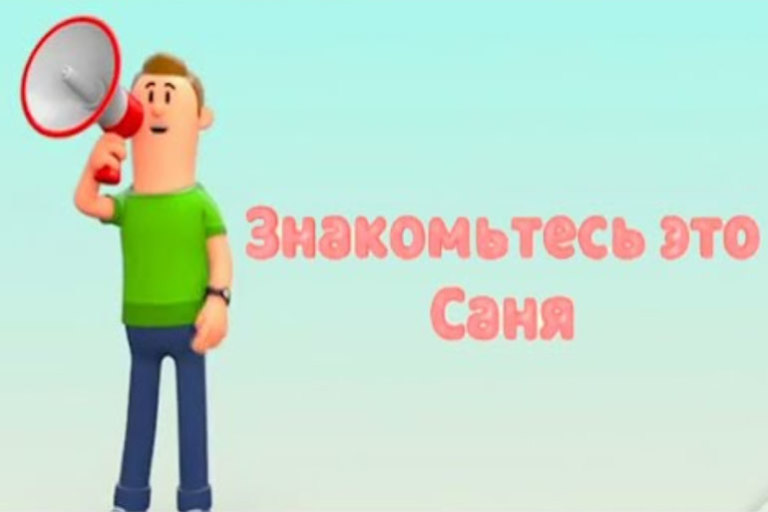
The image shows a stylized man with short blond hair, a green T-shirt, and a megaphone; text next to him names him Sanya. This visually recalls templated 3D presentations in which an animated host introduces the audience to a character. The picture itself is static and doesn't show a sequence of scenes, so there's no way to claim this particular file is a frame from one specific video.
Videos about Sanya became noticeable on YouTube in 2020–2021, and by late 2021 short stories with the same delivery but changing plots had spread widely. Some early videos and original versions existed before the title "Meet Sanya" became established as a general label for the format. The history doesn't trace back to one author or a single piece of software: a similar look can be created with different animation and presentation tools.
How the comic story is built
The usual structure opens with a solemn introduction: "This is Sanya." The narrator then shares a few mundane facts, but gradually drives the story toward an unexpected or wildly disproportionate ending. The outwardly calm narrator's tone makes the absurdity especially noticeable. The template's repetitiveness lets viewers recognize the format before the punchline even lands, and each new detail creates the feeling of a series about a person the audience already seems to know.
The hero's name is deliberately generic. Sanya can be a student putting off studying, a person with an overly elaborate weekend plan, or the owner of a ridiculous superpower. The joke doesn't require the character to be a real person or to match a specific Sasha from the author's life. On the contrary, the fictional nature lets the situation change freely without risking putting an actual acquaintance in an unflattering light.
Examples for your own version
You could start like this: "This is Sanya. He bought a planner to keep track of his tasks. Now Sanya has an item on his list that says 'buy another planner.'" Here the ending loops back to the first detail, creating a short circular story. Another option: "This is Sanya. He went for a walk without his phone to relax. Two minutes later he came back to check whether anyone had texted that he'd gone out for a walk." Stories like these take a familiar everyday habit and push it to a gentle absurdity.
If the full video template is available, the story can be split across several title cards with short sentences. Each sentence should add a new fact or shift expectations; simply repeating the name doesn't move the plot forward. For a still card, it's best to stick to one clear twist rather than trying to cram a whole series into a caption. You can also change the name and topic while keeping the "now you're about to hear a biography" intonation, as long as the hero is clearly fictional.
Usage and authorial context
The template suits a string of posts: in each installment Sanya runs into a new small problem, and the audience comes to recognize the character's recurring traits. But the format also works as a standalone card with a single twist on expectations. It's important for the joke to be understandable without a long backstory: a quick introduction, a couple of facts, a punchline.
The early videos had many user-made sequels, so the widespread formula shouldn't be mistaken for a single official series. The image doesn't establish the exact source or author of the 3D model. It's accurate to describe it as a variation on the recognizable "Meet Sanya" format — a solemn introduction, a couple of facts, and an absurd twist at the end. If you make your own version, invent new details and don't use someone else's personal story as though it were a real person's biography.