What is pictured
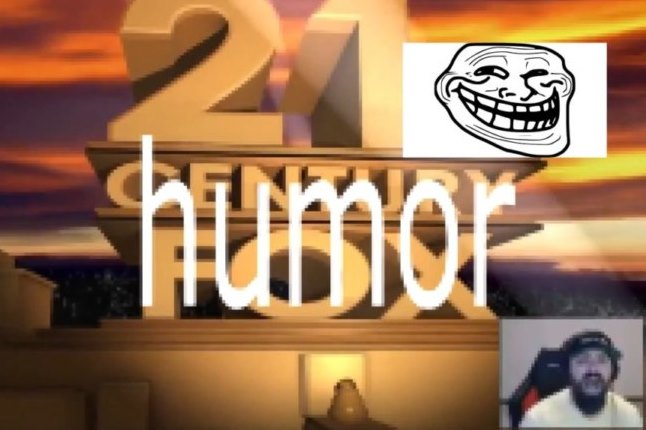
The frame shows a golden structure familiar from film studio openings, with the number 21 and the word century against a sunset sky. Over it, white handwritten lettering crookedly reads “humor”, covering the last word of the logo. In the top right corner is a white square with a trollface, and in the bottom right a small webcam window: a person in headphones and a cap seems to be laughing or reacting to what is going on.
This is a deliberately messy collage: three sources are glued together without care for neatness. It is a visual cheat sheet of the whole genre, where any detail may turn out to be a joke and carelessness is part of the concept.
Where the name came from and when the genre took shape
The roots of the style go back to YouTube Poop videos and to collections such as Arab Funny, which already had fast editing and overloaded sound. English-language descriptions link the present form to 2019, and the term itself to the end of April and beginning of May 2020. According to reference materials, that is when YouTube saw clips cut from streams by the streamer twomad, who ran challenge streams in which viewers sent montages for a contest called “laugh and you lose.”
Pinning down the first joke under the name “21st Century Humor” is hard: the term was born in a community, not with a single author. An early video guide to the genre from early May 2020 shows that by then its techniques were already considered recognisable. That is not proof of priority, only an early known point. The format then spread to YouTube, Instagram and TikTok.
The techniques a clip is built from
A typical clip rests on several techniques. The first is overloaded sound: the so-called “ear rape” effect, where volume and distortion are deliberately pushed to an unpleasant level. The second is short vines and frames torn from context, repeated several times. The third is sudden inserts: a random film quote, a photo of a celebrity, a picture from an old meme.
Inside the clip there is almost no plot. The viewer gets a stream of irritants and decides for themselves whether to laugh at the absurdity or at their own reaction.
Why meaninglessness is funny
The mechanics here are the opposite of an ordinary joke. Instead of setup and punchline there is density: something new every half-second, so laughter is born from overload. In parallel, the phrase in the title works: the word “humor” is said with a serious intonation, while under it lies deliberate junk. The irony is that the loud promise of new humor is fulfilled with noise.
There is also a feeling of belonging: to find such a clip funny you need to know dozens of old references. So the joke is partly about belonging to a community, not only about the picture.
Invented captions and analysis
“My plan for the weekend: sleep. My brain at 3 a.m.: 21st Century Humor.” The contrast between a calm plan and chaos in the head makes the joke understandable even to those who don’t know the genre.
“When someone in the chat said ‘speak quieter’, and I have maximum volume in my headphones.” It works through recognising the physical discomfort of loud sounds, which in this genre has become the norm.
“Teacher: explain the topic in your own words. Me: [five vines in a row].” The joke is that the answer consists of a set of ready-made references instead of an explanation.
“Apartment renovation, day six.” A caption without explanation, but next to a frame where everything flickers and clatters, it reads on its own.
How to use the template
Take the picture as a sign of overload: fatigue, chaos, a sudden turn in a conversation. The caption should be short, or the sense of speed is lost. If the joke is about a real clip, don’t retell it: it is enough to name the genre and leave the reader alone with the frame.