A slip of the tongue turns into a storyline
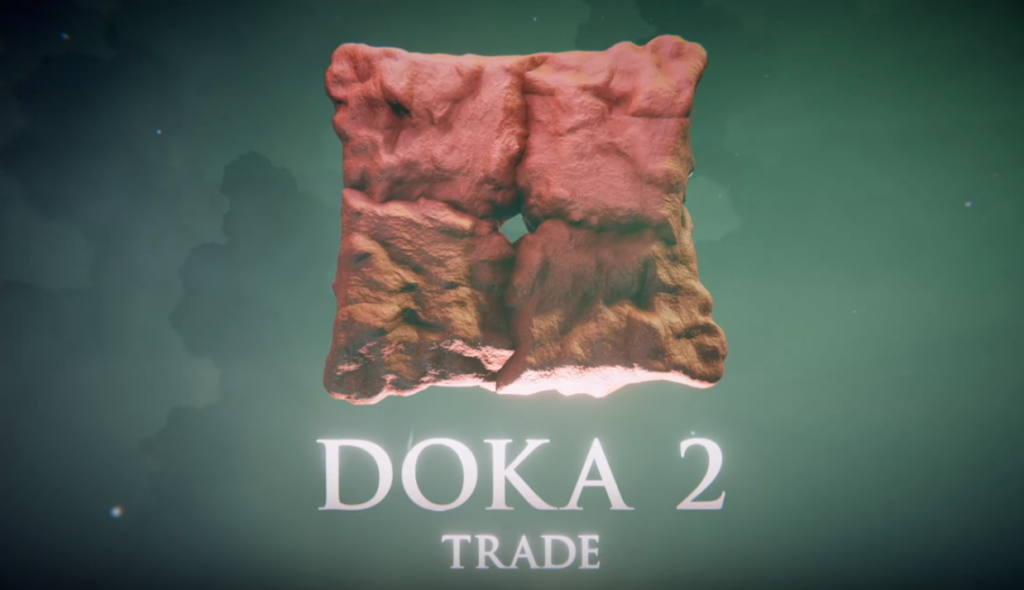
The image shows the inscription DOKA 2 TRADE above a stylized meat icon on a dark background. This is an invented game sign, not a Dota 2 screen. The word “trade” recalls trading items in the familiar game and gives the absurd name the look of a pseudo-official product.
The starting point was a discussion of the tragedy of October 18, 2018, on the “Vesti FM” broadcast. The commentator Filipp Gross-Dneprov spoke of a supposedly brutal game called “Doka 2” and attributed to it mechanics unlike those of Dota 2. This was his claim, not a confirmed description of a game or an explanation of the crime. The meme story mocks precisely the hasty, confident explanation of a complex event through video games.
How the audience built the imaginary game
Listeners picked up not only the slip in the name but also the gap between the recognizable word Dota and the story about zombies, locations, and brutal acts. The confident delivery turned an accidental name into a ready-made parody of television talk about video games. Jokes featured imaginary rules, posters, and trailers, and each retelling could add a new detail.
On November 5, 2018, DOKA 2 KISHKI EDITION was released on Steam, a separate parody game by the developer Agafonoff. Its description continues the absurd story about zombies and unusual cruelty: the game deliberately imitates the invented details of the discussion. Other titles appeared later, including Doka 2 Trade, as in the image. The radio commentary and the released parodies have different origins: first the audience heard an absurd account, and then it received games and pictures made from it.
Invented captions
“This program has a single button that handles all the paperwork for the department.” — “And there's also a mode called ‘coordinate with accounting.’” Such an invented feature parodies a confident product description whose details the speaker is clearly making up as he goes.
Another example: “I was told the coffee machine has a secret mode called ‘submit report.’” For the DOKA 2 TRADE picture, a mock ad also works: “The in-game market sells motivation for Mondays.” The grim sign promises serious merchandise, and the caption swaps it for an absurd service.
Why the familiar Dota can be heard here
Sound similarity is key to the joke: “Doka 2” reminds the listener of the popular Dota 2, but the difference of a single consonant makes the name feel foreign. The recognizable part suggests the talk is supposedly about a familiar game; the other letter opens the way to inventing completely new rules for it. That is why even someone who does not play Dota can catch the parody of a confident retelling of something incomprehensible.
In the DOKA 2 TRADE picture, this substitution already looks like an independent brand. The English word “trade” and the neat sign add commercial seriousness, while the meat icon returns to the grotesque details of the story. The verbal meme and the visual variant offer different entry points to one joke: the phrase mocks the strange description, and the image shows what a product from such a story might look like.