A dog from an interactive app
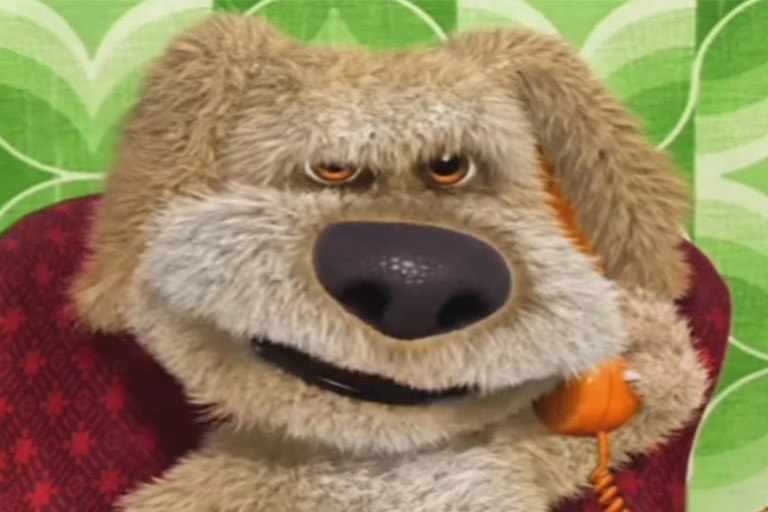
Ben is one of the talking characters in the Talking Friends series created by Outfit7. In the Talking Ben the Dog app, the user speaks to a cartoon dog, makes it repeat speech, presses buttons and watches its reactions. The game came out for mobile devices in 2011 and continued the model of interactive toys in which the character responds to the microphone and to touch.
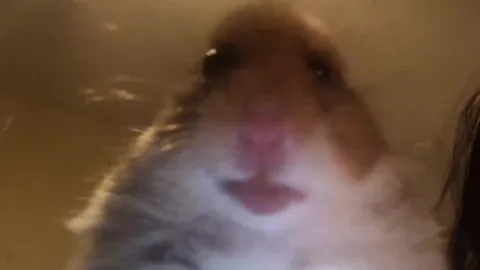
The picture shows a close-up of a shaggy dog against a bright green background. The image is stylized and does not show the interface, so the exact buttons or game scene cannot be determined from it. Ben is recognizable by his looks and characteristic reactions, but the picture should be told apart from the app's visual source: the meme illustration may have been made later as a separate picture.
How Ben's reactions work
The character has several types of reply. He can repeat a phrase he was told, answer a phone question with yes or no, laugh, or react to being touched. This simple system makes Ben something like a pocket conversation partner: the viewer asks a question and gets a short, expressive answer. In memes, the repeatability of the reactions matters more than any complex plot.
"Hehehe, no" and similar sound clips combine a laugh with a sudden refusal. First there is an expectation of a positive answer, then Ben laughs or says "no". The character is therefore a good fit for jokes about failed requests and decisions you want to reject without explanation. The audio clips are easy to cut out and use as stand-alone reactions in videos where the original game interface is no longer needed.
Why the voice became a meme
The comic effect comes from the combination of a friendly cartoon face and an unexpectedly categorical answer. Ben looks like a toy companion, not a stern interlocutor, so his "no" sounds free of anger. The giggle sharpens the contrast: it is out of proportion to a situation in which the user simply asked a question. When re-edited, this theatrical reaction signals an inner refusal or awkwardness.
In short videos the voice often works as a sound sticker. It can be dropped in after a suggestion like "let's go for a run" or before a failed outcome, without telling the story of the game. The character becomes a sort of judge of the viewer, although in reality the app picks his lines from a limited set of replies. Do not attribute a considered opinion about a specific event to Ben: he repeats a given phrase or plays a pre-recorded reaction.
Ideas for your own memes
The "no" frame fits the situation "I'll go to bed early tonight", followed by a long text conversation at two in the morning. Another example: asked "do I need one more cup of coffee?", Ben laughs and says "no", and the person puts the kettle on anyway. In both cases the viewer grasps the gap between plan and action without a long explanation.
As a reaction to bad advice, you can first show a serious question and then add Ben's short "no". The contrast between the good-natured voice and the categorical punchline is what matters. If the original audio clip is used, it is best not to alter it in a way that gives a false impression of a real person saying the words. This is a cartoon character's line, so it can be used as a playful reaction, not as anyone's real quote.
Where the character comes from
Talking Ben continues the tradition of apps that turned a phone screen into an interactive toy. The user does not just watch an animation but provokes a response: speaks, taps the screen, calls the character or picks an action. The simplicity made the app accessible to children and well suited to short videos, where one funny answer is easy to show without explaining any rules.
The exact date of each meme edit featuring Ben may differ from the year the game was released. A given sound clip could become popular again years after the release. It is therefore correct to say that the character comes from a 2011 mobile app, but not to claim that any particular TikTok or sound appeared at the same time. The art in the catalog merely uses the recognizable character; by itself it does not confirm the exact episode of viral spread.