A frame from a dystopia
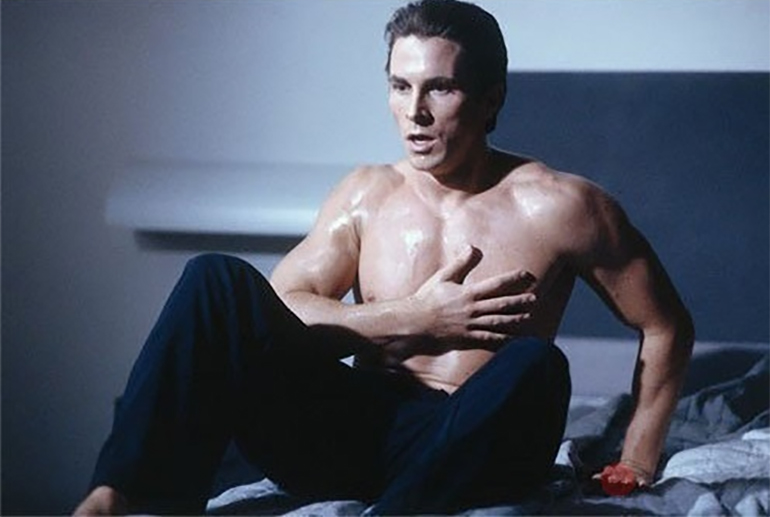
Equilibrium came out in 2002. Kurt Wimmer made a film about a future where the authorities ban emotional experiences and use a drug to suppress them. John Preston, played by Christian Bale, works as a high-ranking enforcer of this order; skipping a dose becomes the start of his change. The local frame shows him sitting on a bed, shirtless: one hand holds his chest, his mouth is slightly open, and his gaze is fixed straight ahead. The film’s plot gives context to the waking moment, but the meme frame of “when you dreamed…” turns the image from a dystopia into a familiar episode of a night-time scare.
How the meme use began
In Russian-language usage, the frame becomes noticeable by the end of August 2018: on August 26 it was posted by the community “Borscht.” Soon the caption “when you dreamed…” established a recognizable structure: a short description of a dream or imagined event above the frame, with Bale’s sharp fright below. The film came out sixteen years before this meme wave. The original scene is dramatic because of Preston’s fate, while the internet version uses only what is visible in the moment of waking.
Where the comic fright comes from
The frame handles a caption that suddenly raises the stakes very well. Bale’s face is serious, so even an everyday thought looks as if the hero has just received alarming news. At the same time, the hand on the chest and the rumpled bed resemble a bodily reaction to a nightmare rather than a neat portrait pose. The best contrast arises between a trivial matter and the scale of the expression. The meme therefore does not claim that the event really happened; it depicts a person’s reaction to a dream that seemed real for a second. If the caption tells a long story itself, the frame becomes mere illustration; a short premise leaves room for the viewer’s recognition.
Invented captions
Imagine a student who wakes up from a nightmare in which he sent his professor an empty file instead of his term paper. The caption names this brief nightmare, and the image exaggerates the second of checking the phone. In another invented case, a person dreams that he arrived at the train station a day before his trip and has already left in the wrong direction; the fright concerns an absurd mistake, not a real incident. A third example is a cook who dreams that he put salt into the dough instead of sugar and served the pie to guests. It could also be just an overly anxious fantasy. In all three cases the frame works when the caption quickly sets the scene and the viewer fills in the brief waking moment themselves; there is no need to attribute these invented stories to Bale.