What the shot shows
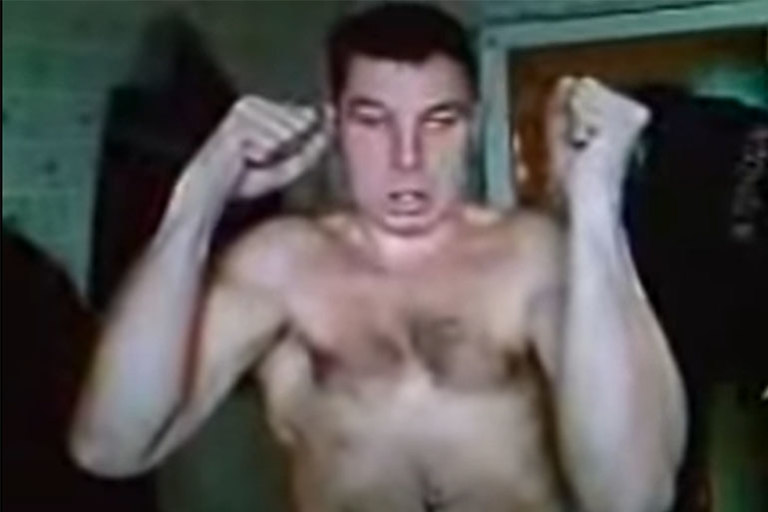
In the shot, a man poses with his arms raised, showing off well-developed muscles. This is a specific visual element of the template, not just a neutral video frame: the pose already hints at what the voice-over is marveling at. The phrase "Hold on, there's actually a song here" shifts attention to an unexpected quality and plays out a pause before discovering something worth admiring.
The image does not reliably reveal the man's name, the circumstances of filming, or his relationship to the person doing the commentary. The article describes only what can be confirmed: a posing man and a reaction line from a viral video. There is no need to invent an athletic backstory or name a specific gym. It is precisely this absence of extra backstory that lets the template be carried over onto other scenes.
An old video and a new wave
The phrase is linked to a video published in 2011. Its audio later got a new lease on life in short clips, where creators applied the line to an unexpectedly interesting find or a sudden burst of admiration. There is a large gap between the date of the original upload and the period of the meme's wave of popularity: this is not a contradiction but an ordinary story of an old clip being rediscovered.
The 2011 video is a good example of how platform archives work when an old clip unexpectedly gets a second life through an extracted audio clip. A video can remain obscure for years, then a fragment of it gets cut out, the sound starts being used on its own, and the quote spreads without the original sequence of frames. That's why the first upload, the first mass spread of the phrase, and the specific image are three separate milestones that shouldn't be collapsed into a single date.
The mechanics of the phrase
The word "hold on" delays the action and builds anticipation; what follows unexpectedly redirects attention to the "song" — that is, to something the viewer might not have noticed. In the original context, the expression refers to the physique on display and comes across as an energetic compliment. In later versions, the object of surprise changes: a beautiful landscape, a great food combination, an unexpectedly powerful piece of music, or a funny detail in the frame.
The joke works especially well with sharp editing. First a familiar scene is shown, then a pause or a reaction sound is inserted, and a detail is revealed that changes how the viewer reads the situation. If the whole subject is shown from the start, the effect of discovery is weaker. That's why creators sometimes cover part of the image, zoom in, or first give a boring angle before revealing the unexpectedly appealing side.
Examples of new captions
In a walking video, you could show an ordinary street and then suddenly cut to a street musician performing: the line becomes a reaction to the unexpected performance. In a cooking video, a modest-looking lunch is shown first, and after a pause, a flaky pie reveals itself inside. Another example: someone scrolls through a long playlist and suddenly recognizes a familiar tune; the phrase marks the moment a boring search suddenly becomes interesting.
For an office joke, a spreadsheet works well, where a carefully formatted chart turns up among the routine rows. The commentator can deliver the line as if they'd stumbled onto an actual work of art. It's important not to demean the person whose body is shown in the original clip: more universal new versions shift the surprise onto objects, places, or skills. That way the structure is preserved without turning someone else's appearance into an object of ridicule.
How not to confuse the quote with fact
The viral phrase is one specific commentator's reaction, not a universal judgment about the person on screen. Without the full original video, it's impossible to know exactly what was said before and after this line. So the quote is best not presented as an official statement by the man himself, or as proof of his involvement in sports. The phrase became recognizable because of its intonation, while the biography of the people involved remains outside confirmed history.
When used in a new video, you can keep the audio clip as a cultural reference without creating the impression that the person from the old video personally rated the new subject. If the sound is heavily cut, the meaning can shift, so it's worth preserving the recognizable pause and intonation. The meme suits friendly surprise and recommendation: "listen, there's an unexpectedly good song here." That way the clip's second life stays clear, and the quote doesn't turn into a made-up transcript.