A song line separated from its context
“I'm not 20, I'm 27” is a recognizable line from the song “2027,” associated with the rapper Rimini. In 2024, the fragment began to be used in short videos and posts about habits, relationships, appearance, and expectations tied to age. The line works as a short declaration: the speaker seems to correct the listener, then sharply intensifies the delivery with a harsh word.
After it spread, some users quoted it without including the whole track. The audio could be sped up, re-filmed, or edited, so any clip with this line is not necessarily an official music video. Like many viral lines, it became a standalone formula: viewers can recognize the rhythm and emotional delivery even if they don't remember the song's title.
The hedgehog and the light in the picture
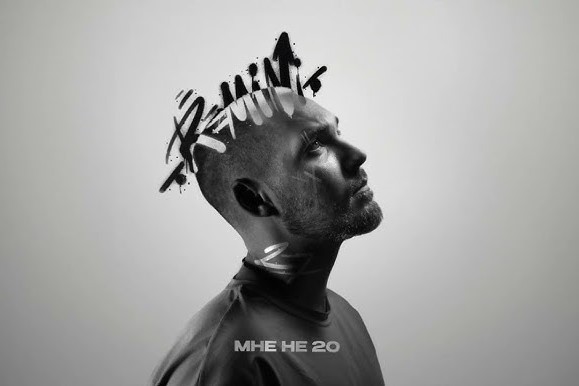
The picture shows a hedgehog lifting its face toward the light against an almost black background. A fragment of text styling is visible at the bottom; the image resembles a dramatic reaction illustration rather than a photo of the performer. It does not literally illustrate the age of 27. Its quiet, contemplative tone creates an additional contrast with the blunt, forceful line of the song.
This kind of editing lets the quote be used not only as a joking argument. Against the calm animal, the words sound more theatrical and can read as self-ironic bravado. There is no need to attribute a hidden biography to the hedgehog or to claim that the author had a particular character in mind. To explain it, it is enough to describe the visible details and recognize the clash of two different moods.
Age as a ready-made dramatic setup
The number 27 in this formula is a specific number from the line, not a universal threshold after which life necessarily changes. For some users, the line refers to the shift from student years to independent adult life; for others, it is simply a familiar song. Memes can contrast the expectations of one's twenties with the reality that comes later, but that is personal experience, not a rule for everyone.
For example, a caption might say, “At twenty I planned a trip around the world, and at twenty-seven I carefully check the bus schedule.” The joke is built on everyday scale and self-irony, not on mocking age. In this way the quote stays recognizable without turning into a claim that people of a certain age are obliged to behave the same way.
The role of the harsh word and delivery
In the song, the harsh word intensifies the expression and makes the phrase memorable. But once it is moved into a comment, the addressee changes. If a person says it about themselves as a quote, it can sound like self-irony or parody. If it is said to another person, it is already a direct insult, even if the sender was counting on a recognizable reference. The musical source does not cancel the consequences of addressing someone directly.
Delivery matters too. A short excerpt is often cut precisely for its sharp rhythm rather than its literal content. When forwarded without explanation, the recipient may read the word literally. If you want a musical joke in a neutral context, label it with the track's title or replace the harsh part with your own wording. That makes it clearer that you are talking about the song, not about a person.
Usage examples and context
“I'm not 20, I'm 27: I packed a charger, water, and a separate list of places where I can sit down.” This version turns growing up into an observation about habits. Another example: “At twenty I listened to whole albums; now I add one song to a playlist and play it the whole way.” Here the quote works as a dramatic opening title for an ordinary choice.
The formula fits a friendly conversation, when the people involved get the musical reference and do not take the rudeness as an attack. It is not advisable to use it in an official message, in an argument with a stranger, or in a public caption about someone else's age. If the post contains only the picture of the hedgehog, the phrase does not necessarily refer to its story: each version can connect sound and image in its own way.