A homemade blog and a phrase about honey
The line comes from TikTok videos by the blogger Larisa, who filmed everyday life, food, shopping, dogs, and her yard. The characteristic video with the phrase became a meme around September 2023; the original clip later disappeared along with the account, but the audio and reuploads kept circulating in feeds. The exact date of the first upload is not known. Variants of the phrase repeat the same word with building pleasure and swearing, turning ordinary praise into recognizable audio.
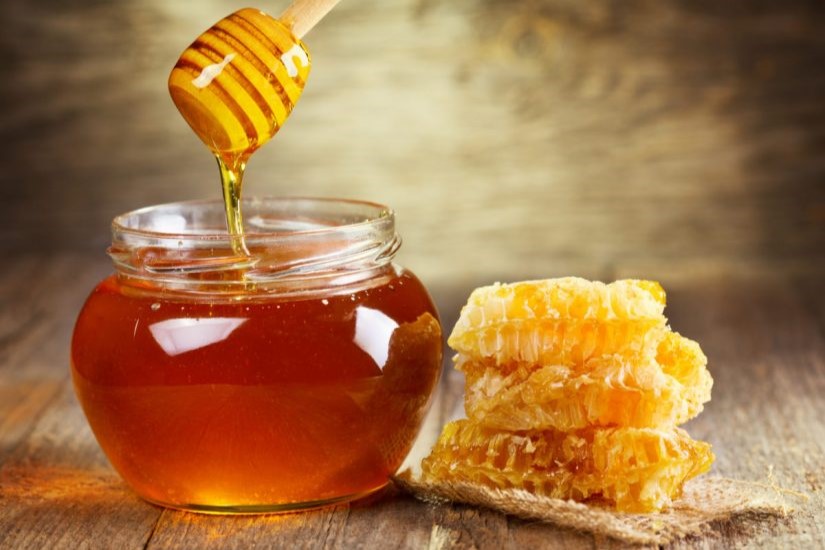
The picture shows a stream of honey pouring into a glass jar, with a piece of honeycomb lying nearby. Larisa isn't in the frame here: the image visually substitutes her voice with the very product the phrase is devoted to. That pairing works literally and doesn't need explaining why the object of admiration is honey.
The word as a sound loop
The meaning of the phrase is intense approval or delight. What makes it funny isn't only the swearing, but also the unexpectedly drawn-out, conversational quality: the person returns to the same word several times, as if unable to finish praising it. The repetition sets a rhythm, and the stretched-out delivery turns a simple taste test into a whole performance. Later the audio started being used beyond the original product: it got attached to persimmons, cats, and other pleasant everyday finds.
That kind of use doesn't mean the original creator personally endorsed every caption. The phrase became an audio template; its intonation can be transferred to a new subject. It also makes sense in text form, though without the vocal rhythm part of the effect is lost. The repetition matters more here than the exact wording: the drawn-out word sounds like a taste-test verdict, and the rough ending abruptly grounds the enthusiasm. So the same sound can accompany both genuine praise and a deliberately overblown reaction to something trivial.
Captions for things that bring joy
For a cup of coffee on the first cold day: 'Now that's coffee, coffee — pure honey.' The joke rests on overly lavish praise for an ordinary drink. For a cat that finally climbed onto an empty box: 'He sat down, comfy, honey, pure honey.' Here the audio gives a tiny victory an almost gourmet level of admiration.
In a work chat you could write: 'The report got approved on the first try — pure honey.' The sharp burst of approval breaks the expected businesslike neutrality and conveys genuine delight. These are standalone examples, not captions from Larisa's original video.
When the enthusiasm fits
Use the phrase where you want to exaggerate the pleasure of food, a cozy detail, a purchase, or a small success. In a video it's enough to show the object and time its appearance to the repetition of the key word. In a still image, honey, baked goods, or another obvious reason for delight will help. You can ironically praise something completely ordinary, as long as the viewer understands the enthusiasm is deliberately played up.
The original line contains obscene language, and its sound may not suit a family audience or a public event. Don't use the audio to belittle someone who doesn't share the joke. The safest object of enthusiasm is your own food, your own good luck, or a made-up situation — then the phrase stays an emotional expression rather than one aimed at someone else.