What is drawn
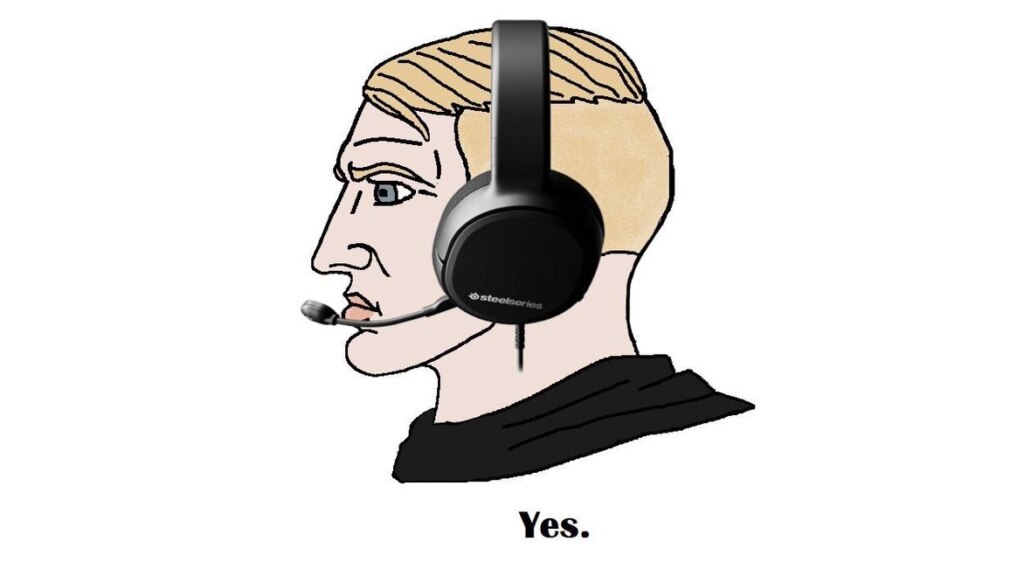
The drawing is done in a simple outline style: the line is thin, the face in profile with a heavy chin and drawn-together brows, light hair cut short. There is no beard in this image. On the hero's head are large black headphones with a curved microphone. He is dressed in dark clothing.
Beneath the drawing, in large black letters, is written “Yes.”. The background is white, with no other details around, so the whole composition looks like an icon or a portrait of a respected person.
How the image came about
This is a variation of the “Yes Chad” template, in which the blond hero is captioned “Yes.” in response to someone's statement. According to reports, this format became popular on Twitter in August 2019, after which it migrated to forums and Reddit. Versions with gaming headphones received the name “Nordic Gamer,” by analogy with the image of the northern blond gamer.
The author of this particular picture is unknown, and the exact date of its first publication is not known. It can only reliably be said that the drawing belongs to a family of images where “Chad” is set against a nervous character and approves of hobbies that people laugh at.
What “Yes.” Means
The main device here is calmness. Instead of long arguments, the hero replies with one short word. The period at the end gives the word weight: there is no need to argue further. That is why the meme works both for sincere approval and for irony.
The serious face and the headset make it clear he takes the matter seriously. If you caption the picture with an unexpected everyday phrase, you get a comic contrast: cosmic seriousness and a very small topic.
Examples for your own caption
“Playing your favorite game for the twentieth time” — “Yes.” A calm defense of an old hobby.
“Bringing a charger along even when the phone is full” — “Yes.” Here the agreement expresses practicality.
“Turning on subtitles because it's more convenient that way” — “Yes.” Approves a small habit without excuses.
“Drinking coffee instead of breakfast” — the caption “Yes.” can be left as irony at one's own expense.
The meme suits playful disputes about tastes: when someone is embarrassed about their favorite food, film or habit, the picture answers with a short “yes” and closes the question. Such support feels warm and does not require arguments.
How to use it
The template most often works as a reply to someone else's doubt: first a dubious statement is made, and then the picture appears beneath it. Harmless hobbies and small everyday decisions are the best fit.
Do not build jokes on judging people by appearance or origin: the image of the northern blond is in other versions sometimes used unkindly, whereas here it is only about his role of calm agreement. It is enough to leave the drawing and one word.
The caption is the statement itself, not an explanation of it. The more specific and funnier the habit, the more the composed “Yes.” under it works.
It is better not to put the picture under statements where someone else's opinion truly hurts people: the composed “yes” here can easily be read as mockery. In minor everyday arguments about taste the joke stays kind.