The frame and the plot
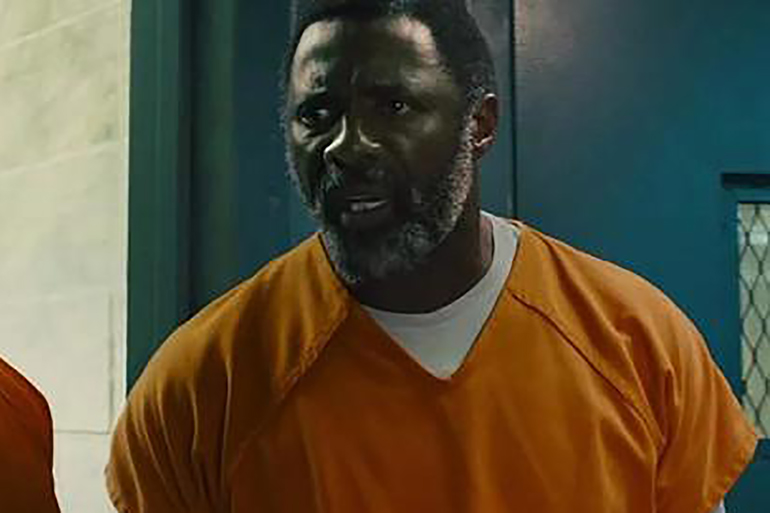
The frame shows a man with a touch of gray in his short beard, wearing an orange prison jumpsuit over a gray T-shirt. Behind him are a turquoise door and a pale wall. His face is focused and wary, his mouth slightly open, as if he is about to argue. This is Bloodsport, played by Idris Elba in James Gunn’s The Suicide Squad, released in August 2021.
In the plot, Bloodsport ends up among prisoners sent on a dangerous mission, and alongside him appears Peacemaker, played by John Cena. The two characters have similar skills, and the film plays on the rivalry between them. Accounts differ on who says the famous line; its meaning is that the second one does the same thing as the first, only better.
How the line became a meme
English-language reference materials date the first known joke to 8 August 2021, two days after the film came out: on a Halo fan forum people compared Master Chief and Locke. By mid-month there were variants comparing butter and margarine, as well as stormtroopers from different eras of Star Wars. These are the earliest examples found, not a proven first publication.
The principle immediately became universal: two comparable characters, objects or activities are enough, and the caption is ready.
Mechanics of the joke
The formula is simple and rests on three supports. The first is similarity: the two things must have the same function. The second is judgment: “but better,” with the criteria left to the author. The third is Bloodsport’s face, which shows a mix of skepticism and wounded pride. He does not argue with the claim; he only frowns, and this unspoken element works as the punchline.
That is why the template always holds a hidden dispute: one side sees itself as the original, the other offers an improved version. The viewer decides for themselves whose side they are on.
Note that the joke can be turned around: in the film the comparison sounds like a taunt, while in memes it is used for a compliment, a reproach or self-deprecation. The same formula holds pride, envy and fatigue, which is why the template has outlasted an ordinary news item about a film.
Made-up captions
“My roommate: cooks, cleans, pays on time. He does the same thing I do, but better.” The joke is self-irony: the author admits to losing a domestic competition.
“The new version of the app: the same thing, but the buttons are in a different place.” The caption shows the reverse move: “better” turns out to be actually worse.
“Tea versus coffee, Tuesday morning.” The frame takes the side that needs arguments and turns a trifle into a dispute.
“Grandma’s borscht versus mine: same beetroot and water, but better.” The caption relies on an honest admission that the comparison was a lost cause from the start, which is why it draws a smile.
How to use the template
It works best for comparing two close things: versions of a program, dishes, colleagues, teams. Keep the line short and do not explain who is better; the character’s frowning face will finish the joke on its own.