How a song line turned into a mishearing
“Bez del” (“Idle”) is a song by Olga Buzova, released in 2021. The lyrics contain the phrase “while you're idle,” but in fast delivery the boundary between the words blurs. A listener may hear a crude “while you [profanity],” even though the song says a harmless thing about a person not being busy with anything. This gap between the text and how it is perceived became the basis of the meme.
In 2021, dance videos were already being made to the track, but the mishearing joke gained a separate wave in 2024. Users applied a snippet of the song to videos about someone who talked a lot or made promises while others got things done. Not every video with this sound is an official clip: a short audio track may have been added separately.
Why mishearings work so well
A mishearing works when a stream of speech allows two ways of dividing it into words. Here, the harmless “bez del” (“idle”) sits next to a crude formula that sounds almost the same. The viewer gets the joke before they have a chance to check the song's lyrics.
Videos often show a contrast between the speaker and those who do the work: “while you're idle” becomes a scene where one character holds forth while another has already done everything. In other versions, the meme is used as a reaction to a long monologue. Both interpretations rely on the audible crude form, but they should not present it as Buzova's literal text.
Music, authorship, and the illustration
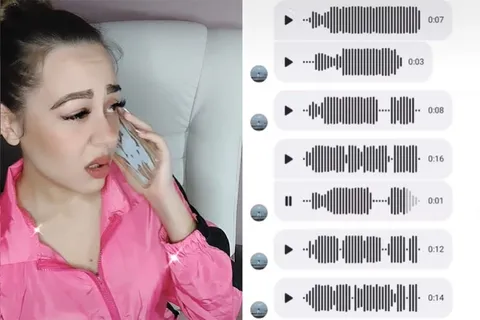
The illustration shows a woman performing or filming on a stage among bright decorations. The frame itself does not confirm that this is a specific performance by Buzova or part of the music video for “Bez del.” The image serves as a visual reference to the singer and the song; one should not invent the exact filming location, date, or the people in the background.
If a caption discusses the meme, it is better to distinguish the original line from the funny reading. In the song the words are “while you're idle”; the crude version is the result of how it sounds and of internet reinterpretation. This is a typical mechanism of an audio meme: the audience repeats the version it heard, even when the original source contains different words.
Caption variants and transferring the meaning
“While you're idle, I've already assembled the wardrobe from the instructions.” In a caption, one can keep the original words, and the viewer will hear the second meaning on their own. Another example: “While you're idle, I finished the presentation and sent the link.” The contrast between inaction and results supports the meme scene and does not aim the crude version directly at the addressee.
In some cases the joke boils down to a person talking for a long time while others lost patience. Then it is important not to use the sound as an accusation against a specific person without their consent and without context. A mishearing can be funny as a play on the song's sound, but the same sound in an argument is perceived as a direct crude insult.
How to use the quote carefully
The meme fits a friendly conversation about procrastination, idle chatter, or the contrast between plans and results. It is better to add a caption that makes clear this is a musical mishearing. If a post includes the original composition, follow the platform's rules and respect music copyright. A short meme fragment does not become free for any commercial use simply because it spread widely.
Do not send the crude misheard phrase to a stranger, a colleague, or someone in a serious conversation. The recipient may not know the meme and may read the words literally. In the article itself, it is important not to present the vulgar reading as the official text of the song. The wordplay keeps its comedy when the viewer sees the distance between the real words and what they seemed to hear.