What it shows
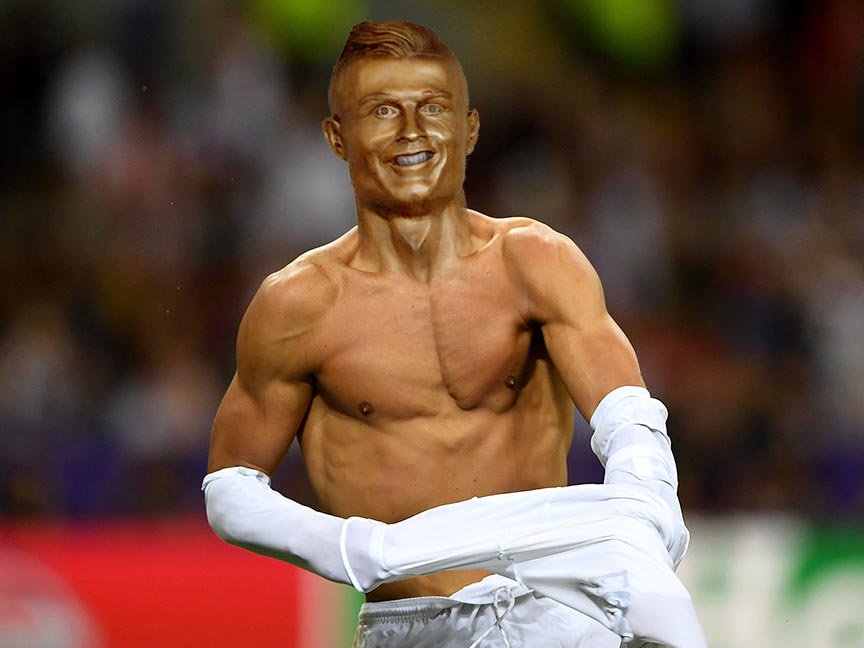
The photo shows a bronze statue of a muscular, bare-chested man. One arm is raised, and with the other he's pulling up a white shirt, exposing his stomach. His face, with a wide grin and wide-open eyes, faces forward; the head has a bronze tint, and short hair is combed upward. The background is blurred and resembles stadium stands.
The pose echoes the footballer's signature goal celebration. In the sculptor's execution, however, the gesture looks strained and grotesque, and it's this gap between the expected monument and the result that became the source of the comedy.
Origin
The sculpture's author is named as Portuguese sculptor Emanuel Santos. The bust was unveiled on March 29, 2017, at Madeira Airport, the footballer's home island, with Ronaldo himself present. The airport was subsequently renamed after him, becoming Cristiano Ronaldo Airport.
Mockery appeared on social media the very day of the unveiling. A tweet comparing a photo of Ronaldo with the statue collected more than 2,800 retweets, and the topic quickly made it onto Twitter's trending list. Major outlets, including The New York Times and BuzzFeed, wrote about the reaction. Commentators separately noted that the footballer's well-known fondness for his own image made the story especially noticeable.
How the meme spread
The meme's main form of existence is photoshopped edits. Users pasted the statue's head into shots with the footballer, compared it to pop-culture characters, such as Sloth from the film The Goonies, and came up with captions placing the sculpture in unexpected roles. The statue's facial expression became a template for comments and stickers.
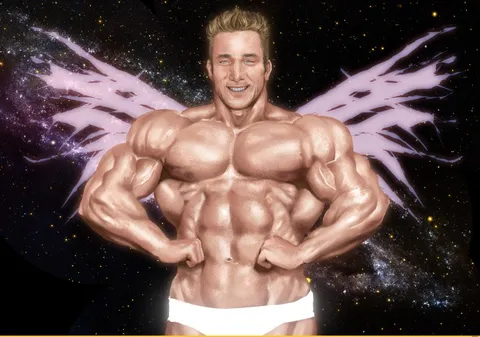
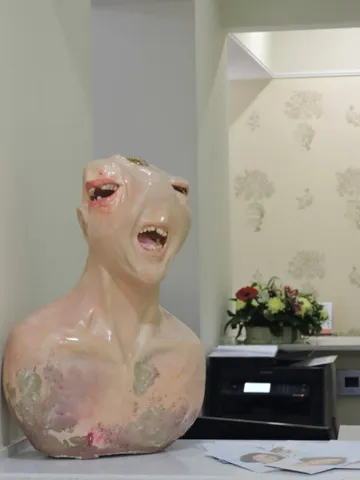
Comparisons went well beyond football: the statue was likened to basketball player Kristaps Porzingis, and jokes even proposed a comedy series in which the bronze bust would live together with another sculpture known as Bonkers Lucy. Collages like these are easy to make and spread, since they require minimal editing.
Why the joke works
The mechanism of the joke lies in the gap between expectation and reality. A monument raised in honor of a famous athlete is usually meant to look majestic and recognizable. When the bronze figure resembles the original only loosely, it produces a sense of the "uncanny valley": something very close to a human being, but off, and that's exactly what triggers laughter.
It also matters that the target of the mockery is a public figure for whom image and self-presentation mean a great deal. The jokes don't touch on private life but on the creative result: the sculpture's proportions, its pose, and its expression. So the meme stays within the bounds of popular irony aimed at public art.
New version and legacy
In 2018 sculptor Santos showed off an updated version of the bust in an interview with a football publication. The post sparked a fresh wave of discussion: it racked up tens of thousands of likes and retweets within a day, and comparisons with the first version resurfaced on social media.
The Ronaldo bust became an example of how an official monument turns into a mass-shared template. Photos of it are still used for collages, and the story itself serves as a reminder that public art lives by its own rules once it hits the internet.