Two portraits and a high-profile case
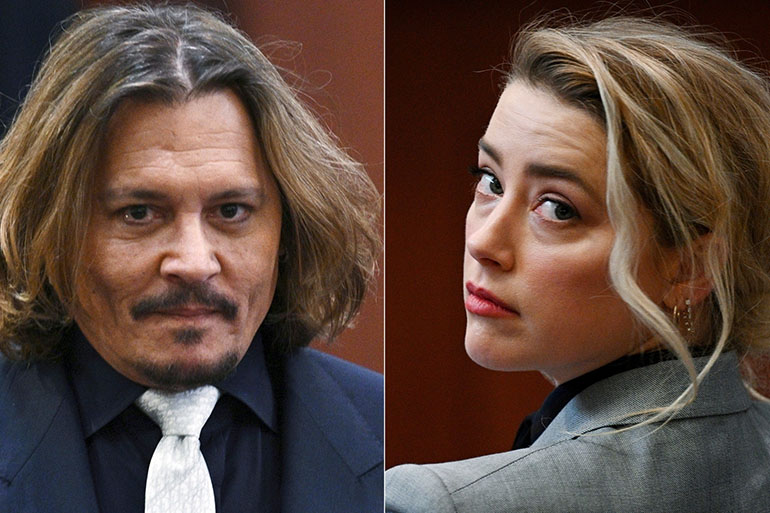
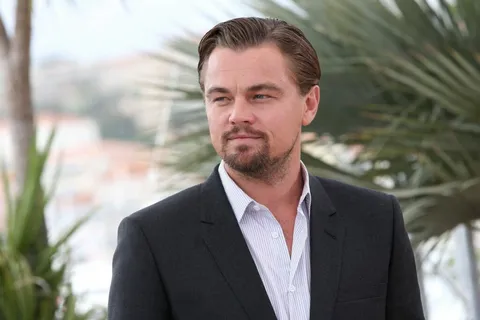
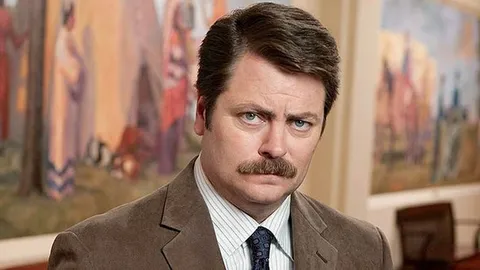
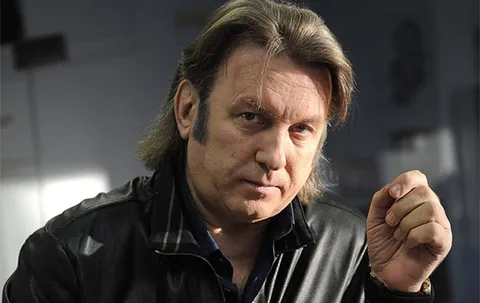
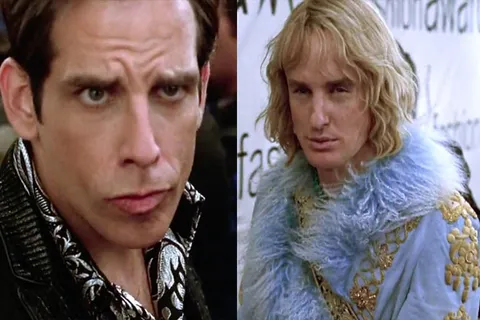
The image places side by side a portrait of actor Johnny Depp with a mustache and one of Amber Heard with blond hair. This is a montage, not a single documentary shot from the courtroom. In 2022, a widely covered trial over mutual defamation claims took place in Fairfax County, Virginia, connected to public statements and Heard's 2018 newspaper op-ed. The proceedings were discussed in livestreams, comments, and short videos, where courtroom exchanges were often cut into reaction clips.
What the court decided and what it doesn't mean
The jury announced its verdict on June 1, 2022: on the main claims, they found that Heard had defamed Depp and awarded him damages; on the counterclaim, Heard was awarded damages over one episode related to a statement by Depp's attorney. This is the legal outcome of a specific civil case, not a universal assessment of every event in the couple's relationship, nor confirmation of any particular viral version of events. The trial itself involved complex and mutual allegations from both sides. A meme caption can't substitute for court documents or an independent investigation.
How courtroom footage became reaction content
Close-ups of the participants easily turn into templates, because facial expressions, pauses, and emotional reactions can be detached from the lengthy legal context. On social media, people quoted testimony, gestures, moments of cross-examination, and audience reactions. Some posts treated the trial as spectacle; others discussed gender-based violence, media coverage, and the credibility of testimony. This memeification could both draw attention and oversimplify a serious dispute at the same time. Viral reach shouldn't be taken as proof that an edit is accurate or that it fairly assesses the participants.
Careful ways to use the template
Neutral captions usually sidestep the content of the case entirely: "me before the deadline" and "me after the conversation about deadlines" — the two portraits are used simply as a visual contrast, without any dialogue. Another safe option is "I'm listening to someone else's hours-long argument about a delivery instead of finishing my own task," where the joke is about endless feed-scrolling, not about either party's testimony. Captions about violence, mental health, or criminal charges involving real people don't belong in this template.
The politics and ethics of memes about the trial
The online material surrounding the case included edited clips, selectively chosen fragments, and aggressive campaigns against both sides. The jury's verdict should be retold accurately, without drawing conclusions about an entire personal history from isolated scenes, and without using footage to back up unproven accusations. The diptych doesn't indicate on what day or under what circumstances the portraits were taken. When publishing, it's important to keep a clear line between the court's finding about a specific statement, the parties' testimony, and users' opinions. Restrained context helps keep a real dispute about harm and reputation from turning into irresponsible spectacle.
Online "courts" often turned observers into fans cheering for a side: any gesture was read as a sign of victory, even though the legal question was more complicated. Researchers called this a "trial by media," since livestreams, edits, and algorithmic recommendations shaped public perception. This "trial by media" dynamic is not the same as the jury's verdict of June 1, 2022, and the article should clearly keep these two levels apart rather than blending the meme interpretation with the text of the ruling.