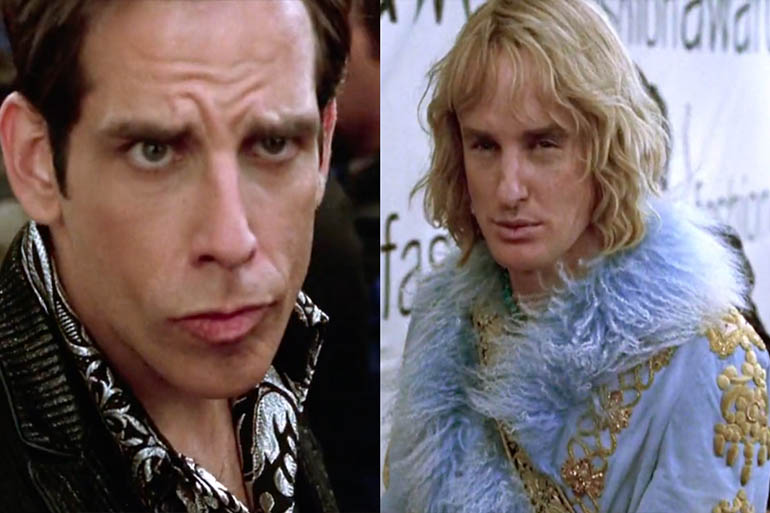
A scene from the comedy
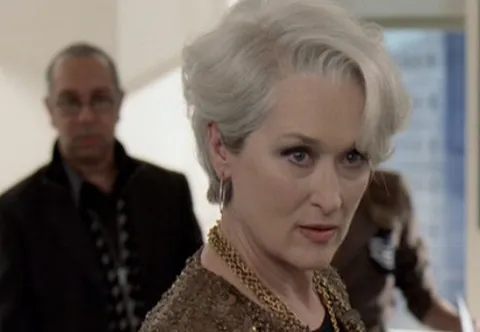
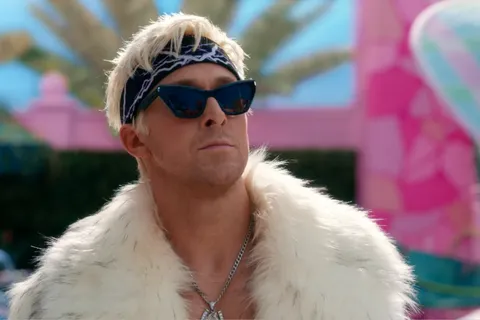
The image pairs a blue-eyed blond man with a close-up of a man with a tense, appraising look. It refers to Derek Zoolander, Ben Stiller's character in the 2001 film Zoolander. The film mocks the fashion industry and vanity; the character's signature look is known as Blue Steel. The local meme uses the hero's recognizable reaction and does not document the real behavior of any actor or model.
In the film, Zoolander faces a younger rival, Hansel, and his confidence and professional pride become part of the comic conflict. The turning version shortens the scene to a few moments: first the hero notices what is going on, then his gaze changes. A still image can't tell which fragment of the video was first online; the origin of the character and of a specific edit are different questions.
Why the turn is funny
The head turn sets the direction of attention: the viewer immediately understands that something worth a reaction has appeared in the frame. The hero's face conveys surprise, interest and rivalry at once, so the template suits comparing two things. A caption can present an ordinary object as a contender for attention, and Zoolander's overly serious look makes such a contest absurd.
The meme works especially well when a more attractive option unexpectedly appears: a favorite dessert next to an ordinary lunch, a day off instead of a meeting, or a new game instead of unfinished tasks. But the swap should be clear without a long explanation. It is best to mark the two parts of the comparison with parallel wording and leave the final frame to whatever "won over" the hero's interest.
From Blue Steel to a reaction
In the film, Zoolander parodies model self-confidence and the urge to turn one's face into a recognizable pose. Over time, frames from the film began living apart from the plot and being used as reaction templates. In the 2020s, users again started making short videos and edits with the character, but the exact date when the Russian title "turns around" appeared has not been established.
Variations can be static, made of two panels, or keep the motion of the original scene. Some use only the intense gaze, others show two characters competing. The caption should not pass a fan edit off as official film material. The joke works without mentioning the actors: it is enough for the viewer to grasp the principle of a sudden shift of interest.
Ideas for new captions
"I opened my to-do list but heard the kettle boil" is a neutral everyday version where the gaze switches from duties to tea. "Planned to watch one trailer; saw the 'next video' button" suits an evening feed. For a group of friends you could compare "meeting at seven" with "message: can we move it to tomorrow." The humor comes from the hero eagerly noticing the more desirable option.
For a pair of frames: "Me: choosing a snack" and "Me when a pie is put on the table." In a gaming chat: "need to finish daily quests" and "event with a rare reward is out." Don't describe real rivalries between people or judge anyone's looks: the image works just as well for an ordinary choice between activities.
In a video, you can start with a wide shot where the hero looks one way, then quickly zoom in on his face once a new object appears. If you use only a picture, keep a short two-part caption and don't overload it with explanations. The phrase "Zoolander Turns Around" is handy as the name of the template but shouldn't replace the meaning of a specific post.