Credits as the basis of the joke
In the film Deadpool (2016), the opening credits are styled as a parody list of roles and crew. Instead of the usual solemn listing, ironic descriptions are used that set a comedic tone before the plot even begins. Meme versions borrow this structure and swap in descriptions of familiar characters, celebrities, friends, or game heroes in place of names.
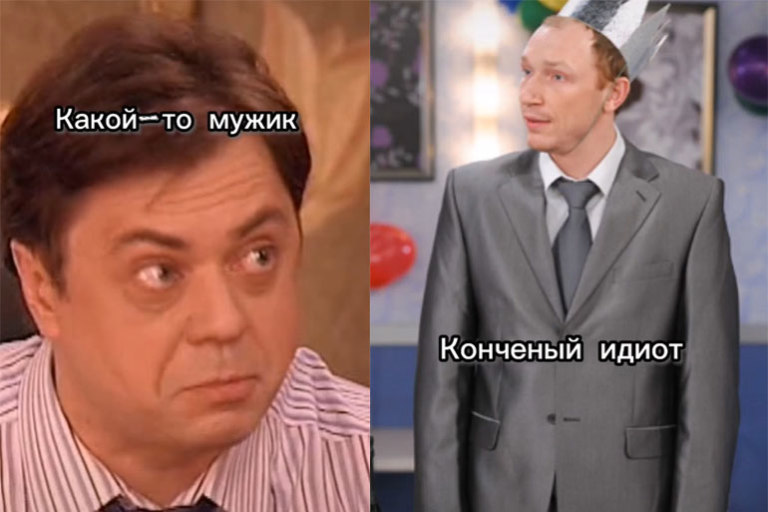
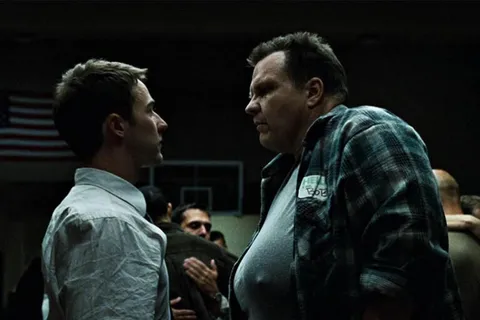
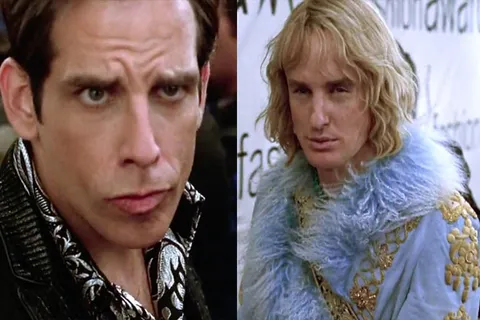
The image juxtaposes two frames: on the left a man labeled "Some guy," on the right a character in a gray suit labeled "A total idiot." This is a static simplification of the credits video trend; it doesn't necessarily reproduce the original order or full set of descriptions. The heading "Starring" promises an official cast, but instead of names the viewer gets mocking roles.
The contrast between official and crude
Credits usually sound like a solemn introduction, and here the narrating voice can stay serious while the descriptions themselves are crude and absurd. The contrast between the announcer's official tone and labels like "some guy" and "a total idiot" turns an ordinary cast list into a satirical character sketch. The viewer recognizes the person from the image or context even if no name is given. The label becomes a joking assessment of behavior, often based on familiar clichés about a particular type of person.
The trend is also handy for describing companies: you can present friends as the cast of a party, or coworkers as characters in a work meeting. But crude insults don't suit every audience and can sting if aimed at a real person. Milder versions swap the profanity for absurd titles — "head of snacks," "the one who'll double-check everything" — keeping the parody without the humiliation.
How to make your own version
Pick a few participants or characters, then give each one a recognizable but short description. A video format can show the faces in sequence over music or a narrating voice; a still image places captions next to photos. For example: "Starring: the person who showed up five minutes before it ended / the one who already laid out the food." The comedy depends on recognizability, not on random crudeness.
For a fan edit, it's enough to pick a familiar scene from a film or game and present its cast as a list of types. It's important to signal the parody: the credits shouldn't look like an actual official cast list if used outside a meme context. This particular image already conveys two characters and two labels, so a separate caption can underline that this is a joking "premiere."
From Deadpool to other stories
The film's opening credits provided a recognizable frame for later short videos. In early 2022, users applied it to all kinds of content: familiar faces took turns on screen while a voiceover named them not by their real names but by comically precise types. In this way the structure of movie credits became a standalone template that can be applied even to an ordinary group of friends.
It's worth distinguishing the film's original device from the later user-made spinoffs. The footage of people isn't necessarily taken from Deadpool; it's specifically the format of listing roles that nods to its opening. The exact date this particular still version was created isn't established. The meme survives on a simple combination: a familiar face plus a short label explaining why exactly this person supposedly ended up in the credits.