How the song came about
The Spark was created as part of the Rhyme Island project, connected to Kabin Studio, a youth creative space in Cork, Ireland. The track was performed by young members of the Kabin Crew and the Lisdoonvarna Crew. The music video came out in May 2024, after which the song was released on digital platforms. Unlike many viral sounds, this isn't a random line from a private video but a full composition with collective authorship and a carefully put-together production.
Kabin Studio runs sessions where young people try their hand at rap, recording, and making music together. The Lisdoonvarna Crew took part in the project alongside children from Cork; public materials noted that part of the group is connected to an asylum-seeker accommodation center. This detail should be described respectfully: the children are co-authors and performers of the song, not a decorative detail in a story about viral success.
Why the chorus is so memorable
The song features energetic rapping, shifting voices, and a strong rhythmic pattern. Participants perform in turn, which creates the impression of a collective statement. The phrase "The Spark" is easy to remember, and the video's editing keeps the momentum going: bright clothes, dance moves, and shifting shots. That makes it easy to cut a short fragment from the song for a clip while keeping its recognizable tempo.
The lyrics come across as a confident message about talent, energy, and the wish to make yourself known. It doesn't need to be explained through complex cultural context: the emotion comes through directly in the voices and the chorus, and that — rather than any random viral trigger — explains why the track spread so widely.
Viral spread and reaction
After its release in May 2024, fragments of the song quickly racked up views on TikTok and other video platforms. Users inserted their own footage and repeated the dances. The viral fame took the group from a local project to an international audience. Later the song was picked up by music outlets, and the performers appeared at major events.
Different versions and edits spread across platforms, and the view counts kept changing quickly, so for this article the release date and the names of the groups matter more.
What's shown in the card image
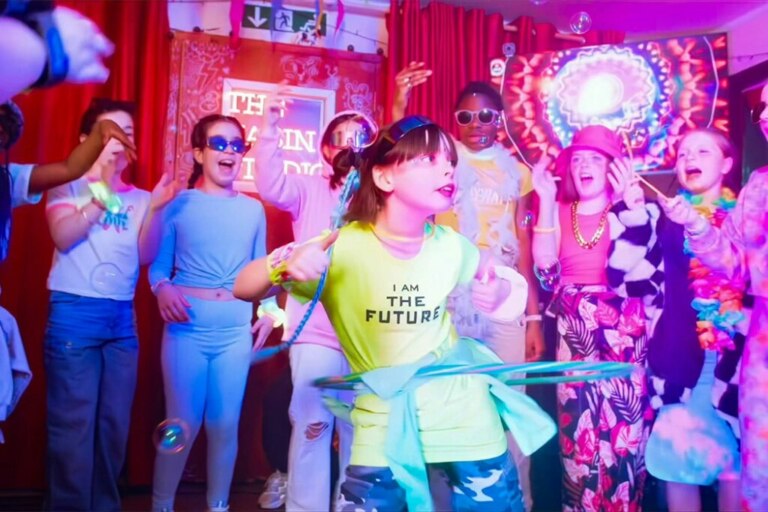
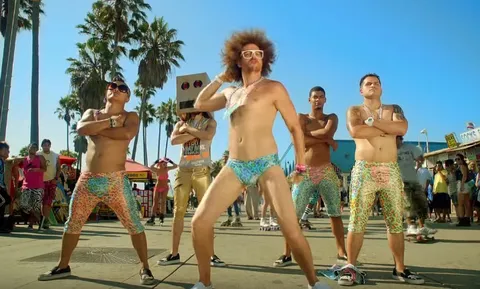
The local image is a collage of several frames from the video: participants perform in bright clothing against colorful decorations and alongside dancing peers. It's not a single solo portrait. The collage conveys the project's team spirit, but because the shots are cropped, it doesn't replace the full music video and doesn't let you establish who wrote which line.
If you want to use the image as a reaction, you can play up a sudden musical surge: "We put on quiet background music for cleaning, and a minute later the whole kitchen is performing." An example like that reproduces the song's energy without mocking the children. It's better not to turn the participants' appearance, age, or background into a meme: the track's success comes from the creative work and the collective performance.
Why this story is bigger than a sound
Sometimes a viral sound gets separated from the story behind it, and the viewer only hears the chorus. Here it's worth remembering that the project arose as part of a youth music environment where children were given the chance to write, record, and perform songs. That makes the spread interesting not only as an online trend, but also as an example of how a local studio can help its authors reach a wide audience.
A story about the group should preserve the participants' agency. They shouldn't be reduced to "cute kids from a viral clip" or assumed to all share the same circumstances. It's more accurate to name the groups and the project, and to describe the emotional effect through the music and the ensemble's work. In that context, the meme popularity turns out to be a consequence of a creative song, not a random clip that can be used while forgetting about its performers.
How to use the sound respectfully
The Spark suits dance videos, energetic edits, and self-ironic clips about teamwork. For example: "When everyone promised to just stop by the rehearsal, and in the end we recorded a whole number." A good caption ties the rhythm to an action without passing someone else's voice off as your own song. For commercial use of the music, you should follow licensing rules and the requirements of the specific platform.