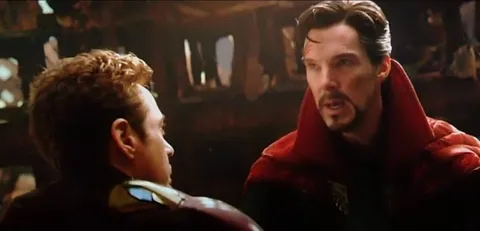
A line from the Marvel film
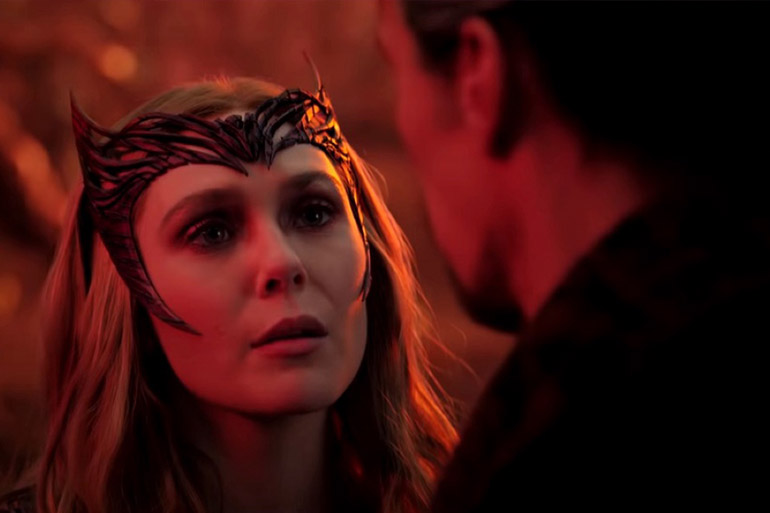
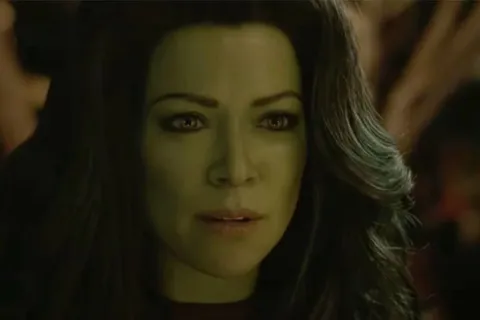
In Doctor Strange in the Multiverse of Madness, released in 2022, Wanda Maximoff voices the idea of unequal treatment: when Stephen Strange breaks the rules, he is seen as a hero, and when she does, she is seen as an enemy. What the frame carries is not an abstract aphorism but a character’s line, addressed to a specific person in a conflict.
In the image Wanda is in the foreground, with Strange visible beside her. It is a dramatic still, not an independent portrait of real people. In meme captions the quote is often cropped to mock double standards, but without the film the original tension is lost: the character both explains her own position and justifies her actions.
The story’s meaning without spoilers
Wanda compares how people judge the same rule-breakers. Her line raises questions about reputation, power and sympathy: who is allowed to make a mistake, and whose actions are immediately read as a threat? The observation can be discussed beyond the film, but the character’s words should not be taken as an impartial verdict of the author. The character speaks from inside her own conflict.
In the film, the line accompanies a confrontation in which the motives of Wanda and the actions of Strange cannot be reduced to one short sentence. The clip works as a template precisely because it sounds complete and fits many situations. Still, the meme does not prove that a real person is actually held to a double standard; that conclusion requires context.
How the meme version works
The format usually has two parts: first a rule or action is shown, then the audience’s reaction to whoever committed it changes. The irony comes when viewers recognize a familiar unfairness, for example one colleague is praised for a bold idea while another is called a process violator for a similar step. The quote gives an everyday observation theatrical scale.
The contrast can also be friendly: a beloved character is forgiven what would earn a strict teacher a reprimand. In other variants the meme criticizes institutions or media for inconsistency. It is important not to pin a real person to a loud accusation without grounds. The film frame provides the framing, but factual claims must be verified separately from the playful editing.
Examples of new captions
“I was five minutes late, so I ‘broke the schedule.’ The manager moved the meeting by an hour, so he ‘manages time flexibly.’” “A newcomer proposed changing the process and got ‘unauthorized initiative’; the director repeated the same idea and got ‘strategic vision.’” Such examples show the mechanism: one action gets a different assessment depending on the status of the person who does it.
The quote can also be applied to a sports refereeing dispute, if a specific case is confirmed by a recording and the rules, or to the fictional characters of a single series. It should not be placed under real accusations to create the appearance of proof of hypocrisy. The strength of the template lies in the precise pair of action and assessment, so the caption should show both compared cases; otherwise the line becomes just loud decoration.
The quote, the character and reality
Scarlet Witch is a fictional heroine, and the line belongs to the film’s script. The words should not be presented as the position of actress Elizabeth Olsen or as a quote from an interview. The frame links the template to the film rather than to a real event. If the meme is used in a political or public debate, a caption does not replace fact-checking about the people and rules involved.
In a published text it is useful to keep the title of the work and explain the original plot at the level needed to understand the joke. There is no need to retell the whole film or repeat the long dialogue. The meme quote has already separated from the screen and is often used without a direct reference to the characters; still, a short attribution helps the reader understand that this is a fictional scene, not documentary evidence.