What the image shows
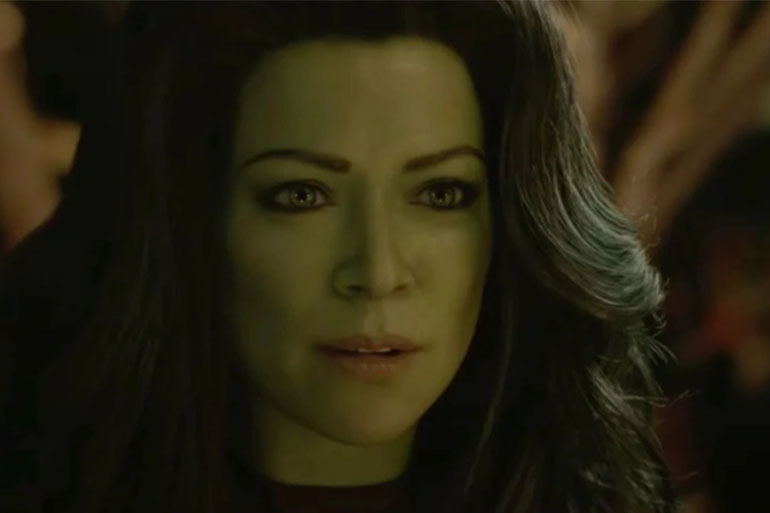
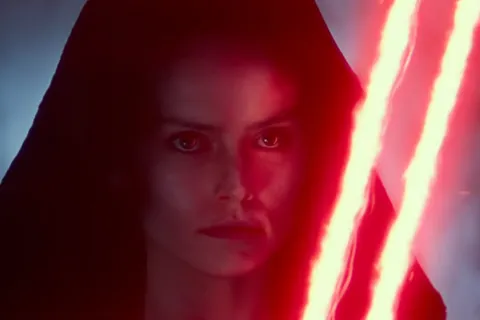
The image shows a large, darkened CGI portrait: a woman with long dark hair looks straight ahead, and her skin has a green tint. This visual motif matches Jennifer Walters, the Marvel heroine who turns into She-Hulk. Without the original clip it is impossible to tell which scene of the series the frame comes from. The 2022 viral context is tied mainly to the trailers, the discussion of the visual effects and audience expectations.
The heroine existed long before the series
She-Hulk debuted in the comic The Savage She-Hulk #1, published in February 1980. The character was created by Stan Lee and John Buscema. Her real name is Jennifer Walters; in the main origin story she is a lawyer and the cousin of Bruce Banner, who gives her a transfusion of his blood after a serious injury. The television adaptation starring Tatiana Maslany came out in 2022 and followed a lawyer handling cases involving superhumans. The trailer meme is therefore just a new chapter in the character's history, not the moment she appeared.
Why the trailer frames got discussed
Trailers both show the heroine and set viewers' expectations for the upcoming work. In a CGI image the face has to remain recognizable, convey emotion and fit a fantastical physique. Viewers commented on specific details of the image, and the argument quickly became meme material of its own. However, jokes about digital graphics are not an objective analysis of all the episodes. Their target may be an early trailer, a compressed copy or a single frame; a final verdict on the series requires watching it in full.
Use in new captions
The intense gaze suits moments when a lawyer tries to stay composed while a case quietly falls apart: 'Opposing counsel just submitted the evidence as a group chat screenshot.' It also fits courtroom-adjacent frustration: 'When the judge asks whether a case involving superhumans still follows standard procedure.' One can play on the scale of expectations the same way the trailer did: a calm opening line, then a long green-tinted stare once the problem turns out worse than it looked. These examples do not represent lines spoken by Jennifer in the series and should not accompany the frame as an invented quote. A short caption about everyday tension is usually clearer than a long retelling of an internet argument.
Context without overreaching
The character stays separate from the actress, and artistic graphics from a documentary image. The greenish tint, the close-up and the serious look do not by themselves allow any judgment about the plot of the scene. The meme can be used for reactions to awkwardness, close scrutiny or exaggerated seriousness. If the adaptation is being discussed, it helps to specify what exactly is being judged: the trailer, a particular visual effect or the series as a whole. That way the reader will not mistake a joking caption for official dialogue or confuse the heroine's long comic-book history with the reaction to the screen version.
Readers unfamiliar with the comics might assume Jennifer is a straightforward female copy of Bruce Banner's story. In fact different writers have changed the tone across her run since 1980, and comedic self-irony became a notable feature of some of those stories. This detail widens the context without needing to retell the whole series.