The film and the phrase
"Fifty Shades of Grey" is a film adaptation of the novel of the same name by Erika Leonard James (E. L. James), released in theaters in February 2015 and directed by Sam Taylor-Johnson. The film became one of the most talked-about releases of that year: debates arose around it over the plot, the characters, and how the movie presents the main characters' relationship. On the Russian-language internet the film quickly became a source of quotes and captions, and many lines began living on separate from their on-screen context.
The phrase "my tastes are very specific" is one of those lines that easily breaks free of its scene. In the film, its meaning is tied to a conversation about the characters' preferences, and it's precisely this ambiguity that makes it convenient for parody. The exact moment the comic's authors are referencing is not known, so the general sense of the line is described here rather than a specific scene.
The comic and the mechanics of the joke
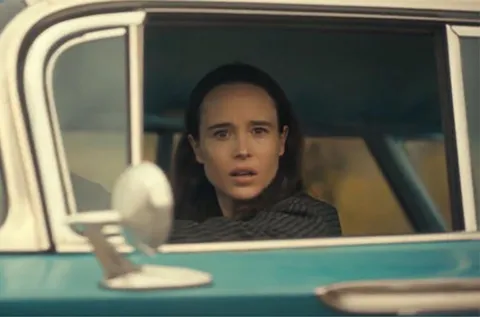
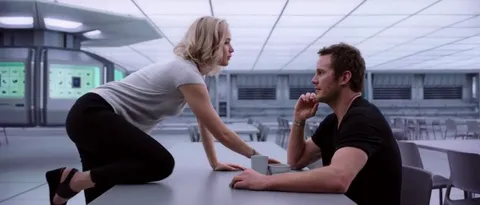
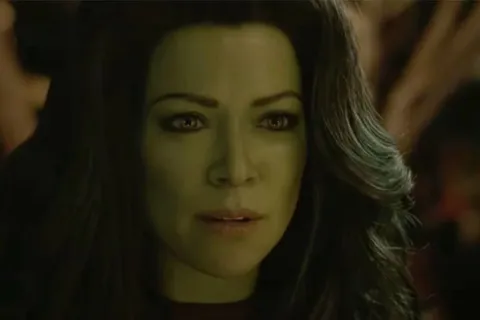
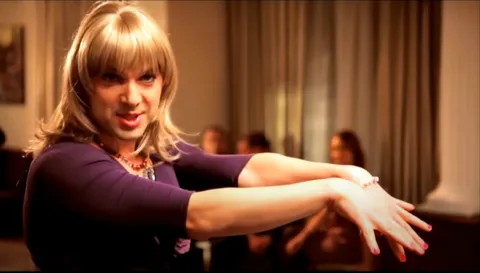
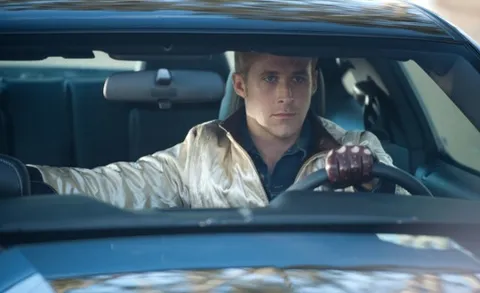
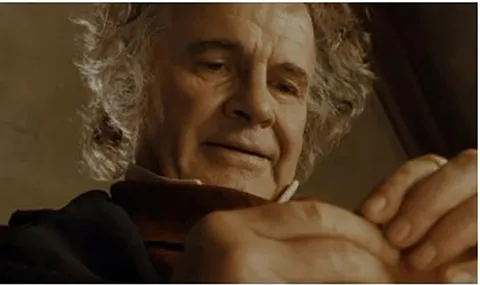
The four-panel comic follows a classic pattern: the opening frames set up an expectation, then awkwardness appears, and the final panel flips the meaning. The phrase sounds like an attempt to downplay something that's obviously glaring. The more serious the character's tone, the funnier the contrast with his own words looks, and it's precisely this contrast that the humor rests on.
The joke relies on the audience's familiarity with the film. A viewer who has seen the movie immediately recognizes the intonation and understands that it's about the character's embarrassment, not a calm statement. For those who haven't seen the film, the phrase works as a standalone formula of self-irony: a person admits that their interests go beyond the ordinary, and does so with deliberate seriousness.
How the meme was used
The phrase was most often placed under photos where a person chooses something unusual: nonstandard food, strange clothing, a rare hobby, or a decision others don't understand. The caption works as an ironic explanation: the author seems to apologize for their taste while at the same time emphasizing that they don't care what others think.
Over time the expression came to be used outside the comic as well. In messages, it can be written in reply to someone's unexpected choice, and the other person will understand that the speaker is laughing at themselves. This kind of universality is typical of memes that move from a specific source into everyday speech.
Place in culture
The meme is a good illustration of how a popular film lives on online after its theatrical release. Lines from the movie turn into captions, stickers, and standalone jokes that may have nothing to do with the plot at all. The comic is interesting in that it doesn't just repeat the phrase but builds a short story around it, which makes the meme understandable even without knowing the film's full context.