A celebrity in the headline, boats in the gallery
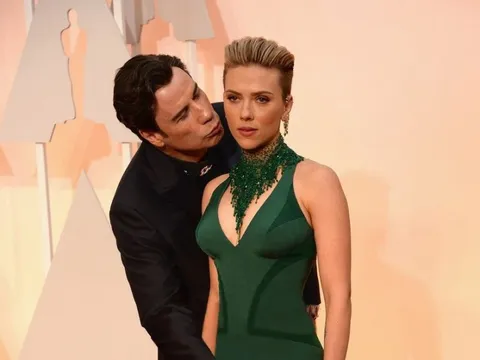
The device has a predecessor in a satirical publication from 2014: the headline promised photos of Scarlett Johansson, while the content offered boats. The comic payoff was not concealed until the very end. The headline itself suggested the future line of a reader who would discover the mismatch between the famous name and the depicted object. In this way, a familiar advertising formula turned into a parody of its own promises.
In May 2016, a notable variant by the user Bump4Trump appeared on Imgur with the name Jennifer Lawrence and photos of bears. The construction was later reproduced with other sets of images, including stock portraits of businesspeople. The number of photos varied: there were four, six and twenty. The title of this particular variant stuck, but the arithmetic was not a required condition of the joke.
One portrait and a promise of four
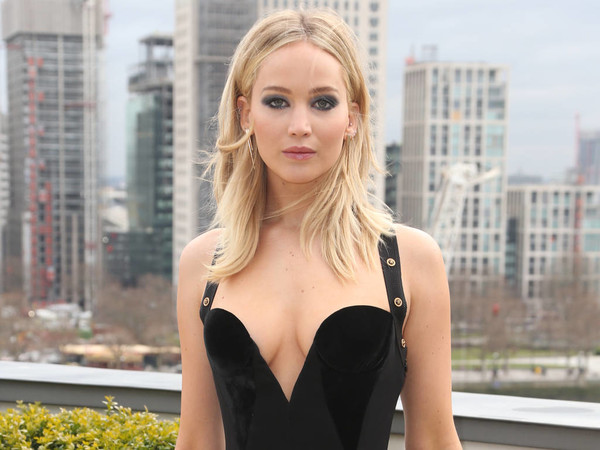
The image contains one portrait of Jennifer Lawrence. The actress is photographed in a black dress with metal details on the straps; behind her are city buildings, a fence and a bit of greenery. There are no four separate frames here, no animals and no joking caption. This is a photo of a celebrity around whose name the format is built, not a full gallery with substituted content.
This difference helps explain the role of the recognizable face. The parody first evokes the expectation of a typical roundup about a star. For this, a name and a familiar image are enough; no specific event in Lawrence's biography is required. When objects of a different kind are shown next, the viewer compares them with the expectation already evoked. What gets deceived is the genre of the publication, not the actress herself.
A reaction is promised, but a statement is delivered
A typical headline of this kind promises delight, astonishment or loss of speech. The parodic version completes the same construction with a simple act of recognition: the reader will say that what is in front of them is bears, boats or businessmen. Instead of an exceptional experience, they are offered the chance to name the obvious. The more solemn the beginning, the funnier the banality of the closing line.
The substitution works even when it is openly revealed in advance. The viewer opens the collection already knowing that Lawrence will not be there, and gets exactly the promised mismatch. The comedy shifts from surprise to the pedantic execution of an absurd headline. The famous name remains a loud decoration, while the real object of the joke becomes the publications that try to control the reader's reaction before the content is even viewed.
Three galleries with honestly absurd punchlines
For example, a headline might promise four photos of Lawrence, after which the viewer says: "These are four different kettles." Then come four kettles indeed. The punchline is revealed, but the repetition of a household object under a famous name keeps the joke going: all the advertising preparations turned out to be needed for a small catalogue of cookware.
In another invented variant, four compasses are shown with the line: "North is over there again." The direction of the needles becomes a dull, consistent answer to the promise of an amazing discovery. The gallery tells us nothing about the actress, but it diligently fulfills the literal forecast of the headline.
A third set could consist of four baguettes and end the promise with the words "Looks like it's time for breakfast." The reaction here is a little less mechanical, but it remains domestic. What these examples have in common is the collision of a loud invitation with a harmless and utterly mundane content. Each photo in the set serves as a small confirmation of how far the headline has drifted from its famous name.