the line and the music trend
The phrase "Vitya, decide for yourself" became a recognizable part of a short song based on a message from a TikTok creator known as Yulya Khrizantema. In the original lyrics, the woman talks about a possible breakup and stresses that the man is about to lose an attractive partner. That emotional line spawned an audio clip that users danced to and used to stage their own versions of the exchange.
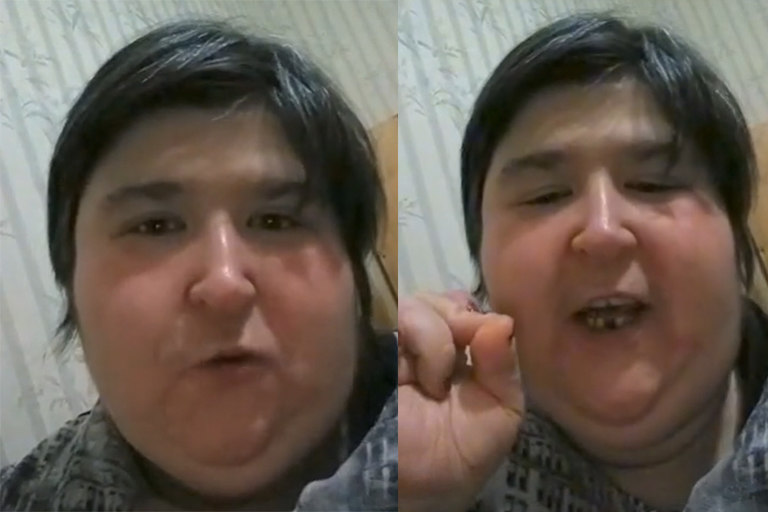
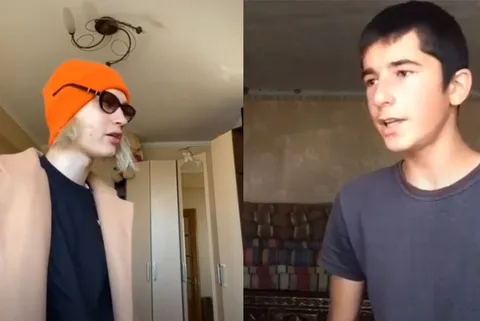
The photo shows two nearly identical frames of a young man looking into the camera and raising his hand. The image on its own does not confirm that this is "Vitya" or the author of the original song. It functions as a meme visual to pair with the audio, helping convey a confident or pointedly indifferent attitude. The man's identity should not be invented just from the template's name.
a serious breakup, delivered as a dance
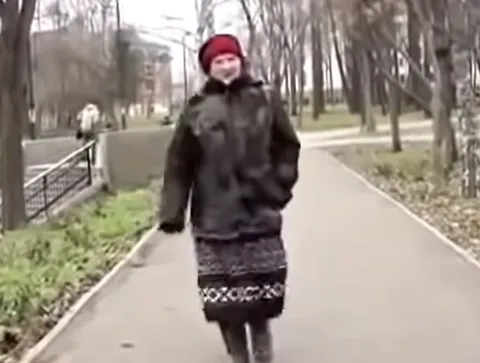
The song links a breakup situation to the confident catchphrase "decide for yourself." Behind the direct address lies the image of a missed chance: the woman emphasizes her own worth and leaves it to her partner to decide whether he wants to keep the relationship. In short videos, participants often played up the line with exaggerated confidence, adding moves that made the drama both serious and comic at once.
It's precisely the contrast between a dramatic breakup conversation and confident dancing that keeps the trend alive. Talking about a possible split is an emotional topic, while the dance delivery turns it into a lighthearted audio template for parody. Some clips reenact the original situation, while others use the song for everyday decisions: leaving the choice to a friend, refusing to keep persuading someone, or pointing out that a person is responsible for their own consequences. The context of the new version changes the tone even though the sound stays recognizable.
how to use the sound
Under the audio you can show two options to choose between: "Shall we go to the cottage or stay home?" — "Vitya, decide for yourself." It works just as well for ordering food, weekend plans, or an argument about a movie. A dance or an expressive look creates a sense of confidence, while the caption sets the subject of the decision. If you want to keep the original flavor, the joke can play on the moment someone gets tired of asking a partner to finally make up their mind.
It's best not to pass the meme song off as a genuine confession aimed at a real Vitya. Viral audio tracks are often re-sung, sped up, and clipped, and many people joining the trend don't know the original story. It's also not a good idea to use the clip to publicly shame a real partner or discuss their private life. The meme works as an exaggerated refusal to make someone else's decision for them.
variations and the limits of attribution
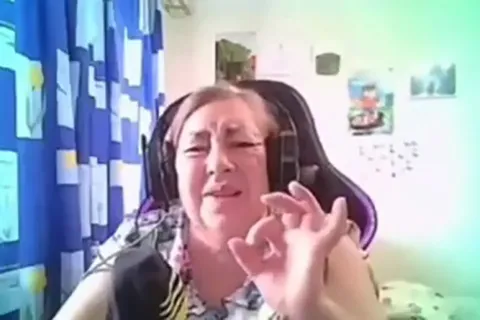
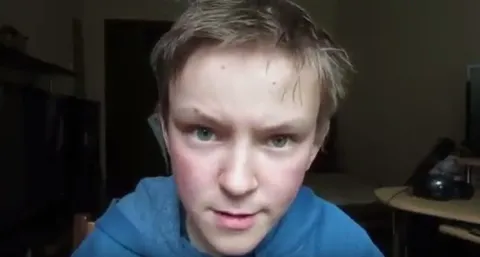
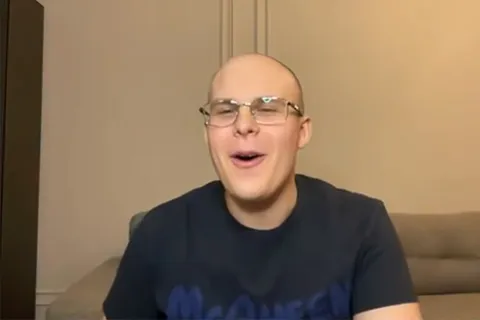
The audio trend spread through short-form videos, so there are many dances and edits featuring different people. The same sound can accompany a romantic drama, an everyday choice, or a self-deprecating video. This particular photo is just one visual variation; it doesn't include the full lyrics and doesn't show the original message. The exact date this specific collage was made can't be determined.
When tracing the origin, it's important to distinguish the original performer of the clip from later remix authors and from users who filmed their own dances. It cannot be claimed that all of them took part in creating the original song. Only the link between the title and the audio, and the general mechanics of the trend, are confirmed, so someone else's words are not put in the mouth of whoever happens to be in this particular photo.