What a copypasta is
A copypasta is a text that gets copied and posted in different places unchanged or with minimal edits. In the Russian-speaking internet, such texts spread on forums, in imageboard communities, and in comments, and later moved into pictures and captions. "Firstly, what are you going to do to me" belongs to this tradition: it's a ready-made line that can be copied and pasted into any argument.
The catalog describes it as a universal response to a troll or to someone making personal threats. The text contains profanity, so it is not reproduced verbatim in the article but is described structurally.
Structure of the text
The text is structured as a numbered list. The first point answers the threat with a rhetorical question about what the other person could possibly do. The second point moves to a crude refusal, and the third contains the main irony: the sender states that they won't be around, because they're in another city. The threat is thereby turned into nonsense, and the reader understands there's no real fear involved.
The points are written in the same rhythm and barely change from version to version. Because of this, the text is recognizable even from its first few words. The list format makes the line convenient to copy: it can be pasted in whole, with no need to come up with one's own response.
Origin
The first appearance of this text has not been established. The author and date of first publication remain unknown. The text spread around 2016, but that is not the date of its first publication.
Copypastas of this kind usually spread anonymously, and authorship gets lost in the process of copying. For this reason, the article cannot claim on which forum or in which year the text was first recorded. All that's known is that it's widely used as a comeback line, and its longevity rests on its simplicity and readiness to be reused.
Use in arguments and comments
The copypasta is most often used in response to aggressive comments, especially when there's no desire to keep arguing on the merits. Instead of a long argument, the user pastes the ready-made list and thereby ends the exchange. For readers, such a response is immediately clear: it shows that the threats haven't made an impression.
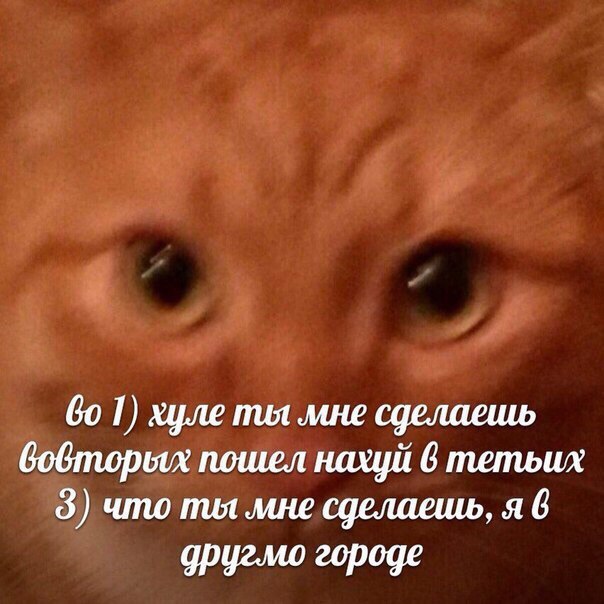
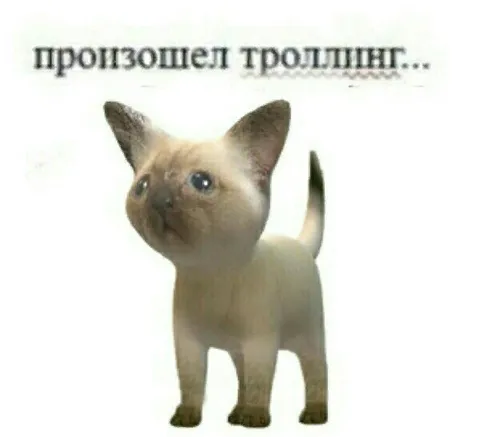
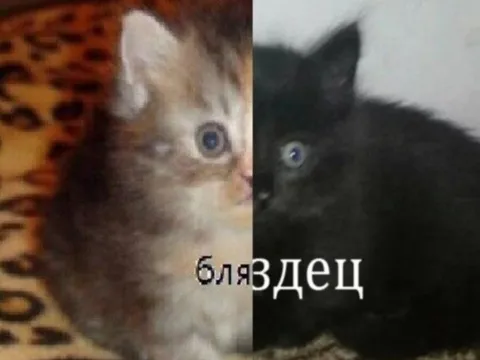
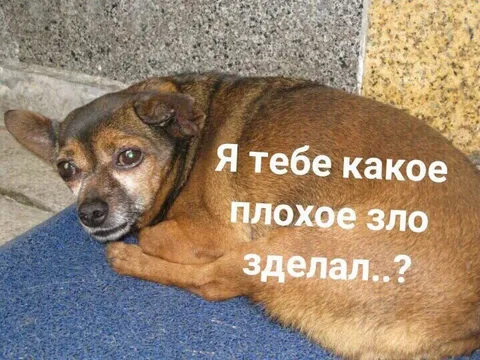
In online culture, the text has also become the basis for image macros, where it captions a photograph. This is how it moved from a text format into a visual one, which helped it continue spreading. The meaning stays the same throughout: an ironic refusal to take a threat seriously.
Image
The attached picture is a close-up of a ginger cat with wide-open eyes, shot with a blurred background. The text is laid out in light-colored letters at the bottom of the frame and repeats the points of the copypasta in shortened form. The format is recognizable: the animal's stare underscores the absurdity of the threat and adds to the comedy.
The image matches the catalog's description, with no caveats about it. Since the text in the picture conveys the same meme described in the entry, the reader sees exactly the object being discussed. The picture works well as an illustration for the article.