Where the phrase came from
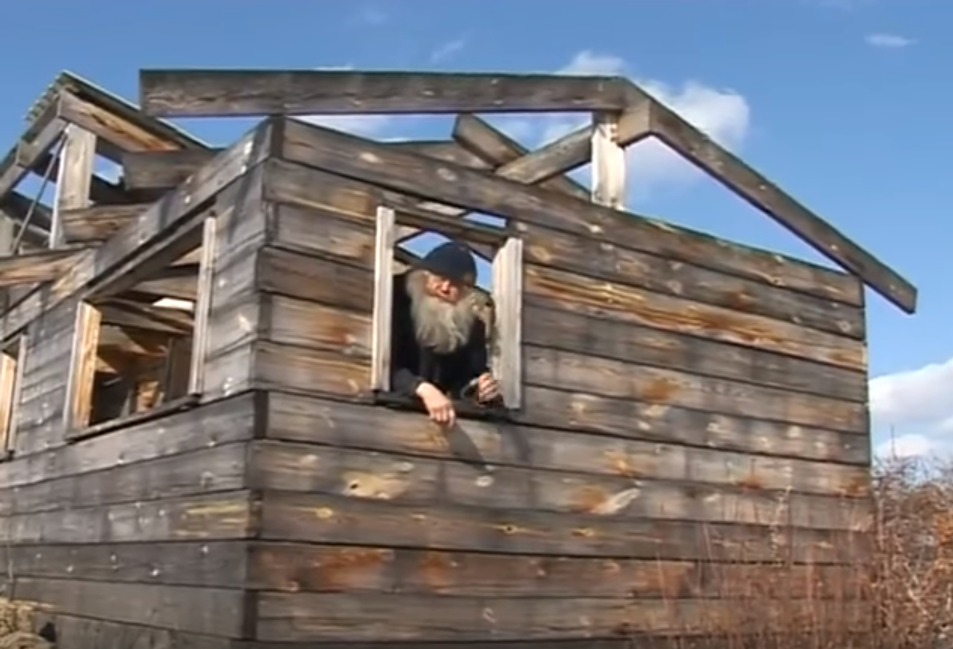
The phrase came from an NTV segment about people who lived far from settlements in the taiga wilderness. The segment dates to 2008. The frame shows an elderly bearded man in a dark cap peering out of the window of a wooden house. The roof is partly torn down, the walls have darkened with age, and dry grass grows nearby. This image sets the context right away: the viewer sees a man who has long lived in seclusion and is not expecting visitors.
The line that gave the meme its name sounds like an irritated question to people who have shown up at the house. The character addresses the arrivals as if he never invited these strangers and never expected them. The exact wording, the character's name, the program title, and the air date vary across open descriptions, so these details are given here in general terms. One thing is established: the phrase struck viewers as sharp and memorable, and it was quickly lifted out of its original context.
How the phrase became a meme
The move from a TV segment into internet speech took little time. The first mass quotations date to the heyday of forums and blogs in the late 2000s, when users were looking for short lines to use in comments. The phrase fit any situation where someone turned up uninvited: neighbors, couriers, pushy salespeople, relatives who dropped by without calling.
Typical captions follow one pattern: a description of a situation and a reaction to it. For example:
“Relatives showed up without calling on Saturday and stayed the whole day. — Who are you people? I didn't invite you.”
“A company we've never used sent us a mailing. — Who are you people? I didn't invite you.”
In such examples the meme works as irony about irritation at someone else's intrusion. The phrase needs no explanation, so even people who never saw the original segment understand it.
Why the phrase endures
Its staying power comes from rhythm. The question “Who are you people?” sounds sharp, and the second half, “I didn't invite you,” adds rejection and brings the emotion down to everyday life. This combination lets the phrase be used both seriously and as a joke. Depending on intonation, it reads either as an indignant outburst or as deliberate indifference.
The frame with the window and the bearded character supports this double meaning. The image is expressive and easy to pair with text: the caption names the situation, while the picture sets the tone of the reaction. That is why the meme often appears as a picture with a caption rather than as a bare quote.
The phrase has gone through several waves of popularity. It returns in comments under news stories, in discussions of unexpected plot twists, and whenever a new member joins a chat or a new neighbor moves in. It lasts because the line is not tied to a particular time and does not require knowing the specific broadcast.
How the meme is used online
Most often the meme serves as a reaction to intrusion. Such lines show up in chats, in themed groups, in discussions of online games, and in forum threads. Sometimes the phrase is paired with images of the character peering out of a window in different scenes, or placed under a shot of the poster's own house to show that the space is closed to visitors.
The joke is aimed at the situation, not at the person in the frame. The segment's character stays in the background, while viewers carry the line over into their own everyday lives. That is why the meme is best understood as a unit of language that outlived its original context and now lives on its own.
What remains unknown
Several details are not established: the exact title of the broadcast, the character's full name, the author of the edit, and the date of first online publication. The meme is reliably tied to the TV segment, but the details of the original broadcast remain unknown.