What’s in the picture
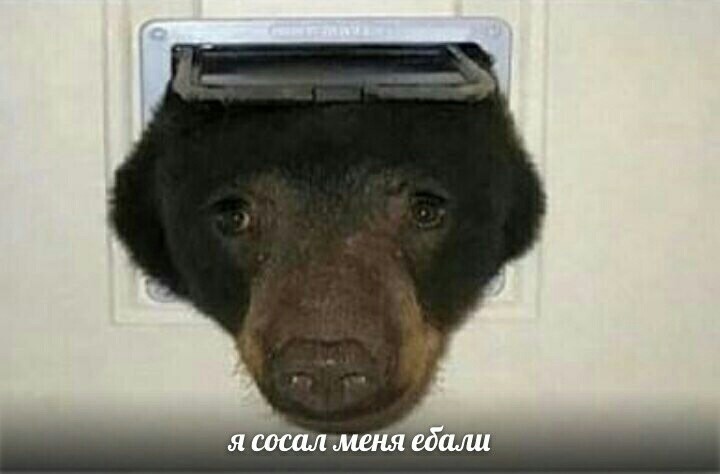
The photo shows the head of a black bear pushed through the pet flap of a white door. The size and shape of the opening make it clear the flap is meant for a dog or a large cat, not a wild animal, which makes the scene absurd and comical in itself. The bear’s muzzle fills the entire opening, and the animal looks straight into the camera with a bewildered expression.
The picture is apparently a real photo of a curious incident. Stories of wild bears entering residential areas in search of food appear in news reports from various regions from time to time. It is the comic contrast between a huge wild animal and a small household pet flap that made the shot suitable for meme use, detached from the original news story.
Where the phrase comes from
The phrase itself is a short, grammatically illogical and crude construction that took hold in VK comments as a universal absurdist punchline. Its origin is not documented: the author and first appearance are not known. The phrase apparently formed spontaneously in the comment culture of the social network and spread by copying, with no traceable original post.
Short, deliberately meaningless or grammatically odd phrases like this are an established genre on Russian-language public pages. A comment is valued not for its meaning but for its recognizable rhythm and the effect of surprise, similar to other genre memes built on the principle of “a punchline for the sake of a punchline.”
How the phrase came to be paired with the image
Pairing this phrase with this particular bear photo was a separate step in the meme’s life. The text first circulated independently of any fixed image and was attached to all kinds of pictures. The combination with the bear’s face in the pet flap presumably appealed to users for the contrast between the ridiculous, almost endearing look of the animal and the coarseness of the caption. That dissonance creates the main comic effect of the pairing.
This technique, taking a neutral or endearing picture (an animal, a child, a celebrity) and captioning it with a wildly inappropriate remark, is typical of a whole class of absurdist memes, where the mismatch between text and image is the main source of humor.
How the meme is used today
The phrase and its accompanying images are used in comments to get a laugh from the surprise or deliberate absurdity of the remark, without carrying any literal message. Users most often post such pictures without elaborate context, as a standalone joke or as an off-topic reply to someone else’s comment.
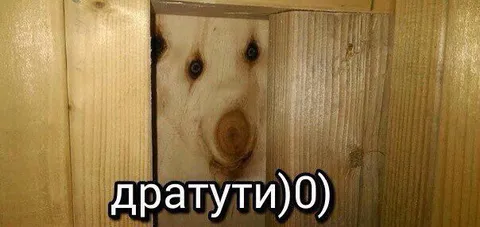
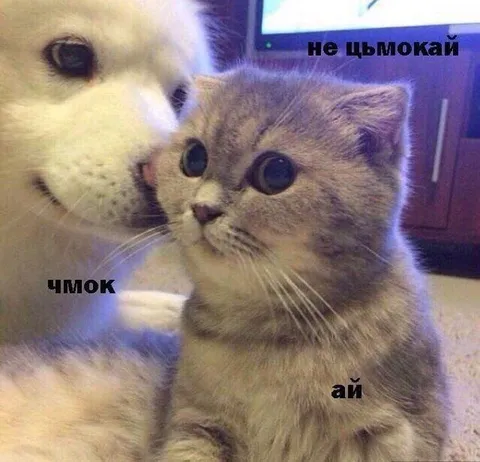
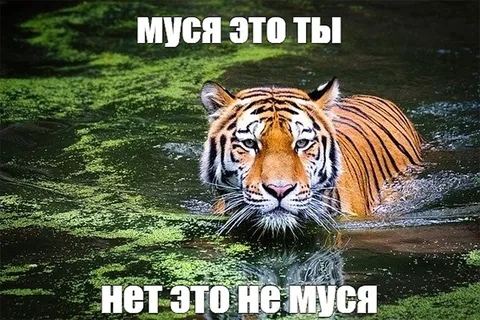
Because it means nothing, the meme transfers easily to new images. Besides the bear in the pet flap, the same phrase appears with celebrity photos, film stills and other animals. The meme has no fixed “canonical” image; the bear version is just one popular variation.
Context: crude VK memes
The meme belongs to a broad layer of deliberately crude, provocative captions that were widespread in Russian-language public pages and comments in the second half of the 2010s and early 2020s. Such phrases marked the community’s own brand of black humor and often relied on contrast between obscene language and an outwardly harmless picture.
Despite the lack of a clear origin story, phrases like this remain a recognizable part of internet folklore. Their power lies not in authorship or plot but in repeated, mindless copying, which turns a random combination of words into a stable cultural code for a certain part of the audience.