What the image shows
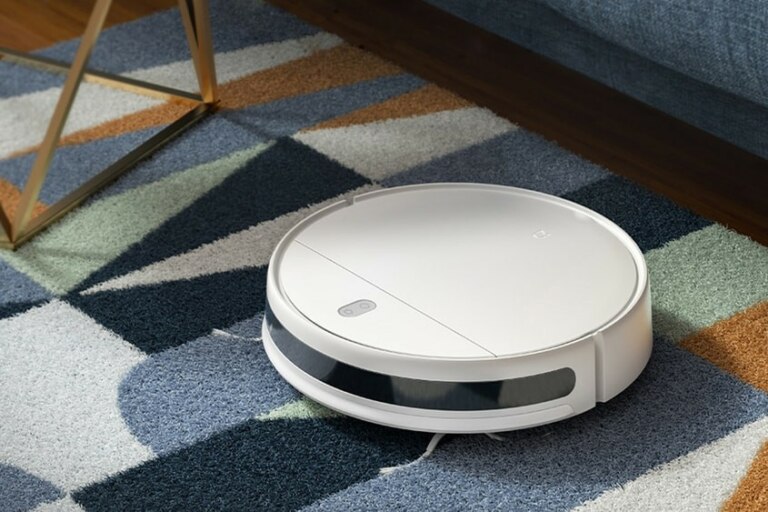
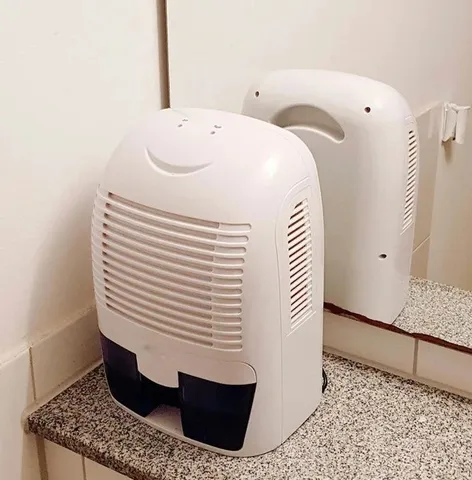
On a carpet with a geometric pattern stands a round white robot vacuum. It is photographed up close, so the household item looks almost like the star of an advertising catalog. The image supports the literal reading of the phrase well, but it does not explain how the sound came about. The meme spread through audio and edits, and this picture simply shows the object named in the chorus line.
From poem to Russian cover
I Wanna Be Yours is a song by Arctic Monkeys from the 2013 album AM. Its lyrics are based on a poem by the British poet John Cooper Clarke; the band turned it into a song and kept the line about wanting to be the beloved's vacuum cleaner. In October 2024 a user named bystrovsound published a Russian-language version made with artificial intelligence; the combination of the English line and an unexpected Russian continuation became a sound of its own for short videos. The publication date and authorship refer to the viral version, not to the original.
The contrast of two halves
The joke depends on a shift in expectation. The English line sounds like a romantic confession: the speaker promises to be close and to serve the person addressed. The Russian version suddenly makes the metaphor completely literal and domestic: instead of lofty intimacy, there is a vacuum cleaner collecting dust. The switch between languages and the earnest vocal delivery add to the comic effect. The most common video edit first shows something beautiful or meaningful, then, on the Russian part, its funny, down-to-earth equivalent. What collides here is the figurative language of the original poem and the mercilessly literal Russian rendering of the line.
The robot image uses the literal layer, which is why it works well as a standalone illustration. If you add sound to it, though, keep in mind that the meme does not claim the device really 'wants' to be anyone's vacuum cleaner: it plays on the romantic tone of the song and the functional name of the appliance.
Two original caption examples
First: 'When I say I'll be there for you and support you / when I remember I have a robot vacuum.' The first part promises emotional support; the second swaps it for an object that literally cleans up after a person, which is where the change of register comes from. Second: 'Me: I want to be your muse / also me: already planned a route through every room.' Here a lofty self-description runs into the robot's navigation, and the literal meaning of the phrase becomes a down-to-earth punchline. These are new examples, not retellings of real posts.
How to adapt the meme
Pick two related but unequal things: an ideal and its too-literal realization, a romantic role and a household function, a beautiful dream and an object from around the house. The visual switch should land on the Russian part of the sound so the punchline coincides with the phrase. If you only have a still image, like this one, you can add a one-line caption or make a diptych: the promise on the left, the down-to-earth result on the right. Don't stretch the caption into an explanation of every detail: a short contrast is clearer.