Two images in one frame
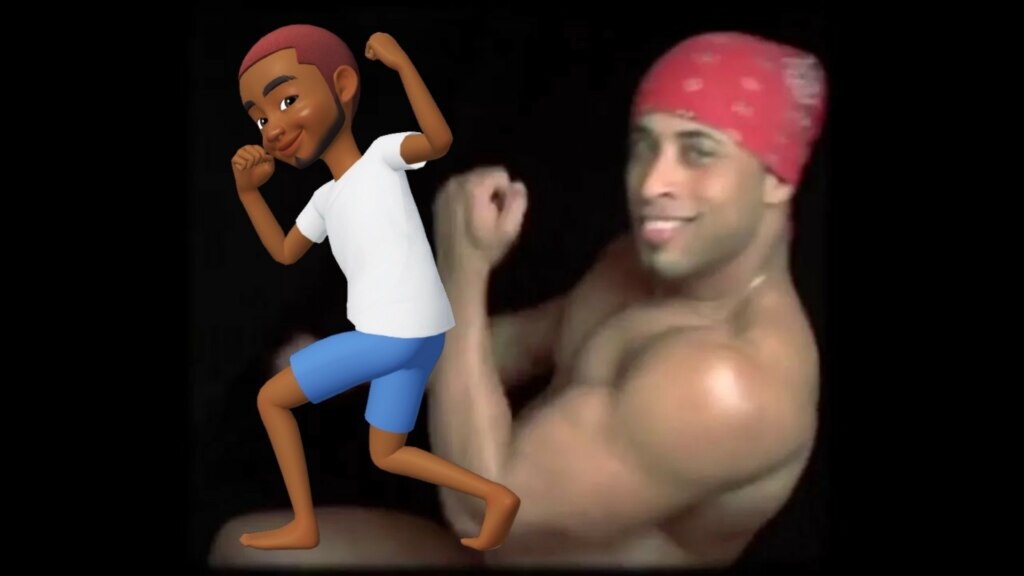
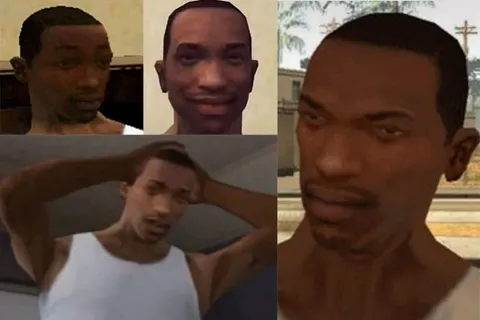
The frame consists of two planes on a black background. On the left stands a three-dimensional avatar: a cartoon man with short reddish hair and a small beard, in a white T-shirt and blue shorts. He has bent one leg, raised his fists, and struck a “showing off the muscles” pose. The figure is smooth and plastic, and its facial expression is simplified.
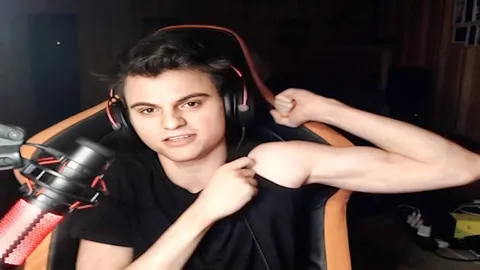
On the right, larger and less sharp, is a living person in a red bandana with bare shoulders. He is smiling and flexing his arm to show his biceps. The two figures repeat the same gesture, so it looks as if the avatar and the person are dancing in sync. Who is shown in the photo cannot be determined from the caption or the scene, and the person is not named in the text.
What Zepeto is
Zepeto was developed by the South Korean company NAVER Z. A user uploads a snapshot, and the system makes a three-dimensional avatar from it, which can be dressed, given a new hairstyle, and posed. Characters can meet in virtual rooms, take photos together, and make stickers.
Reportedly, around 2018 the app became popular in a number of countries, and social media filled with collections of funny pictures with avatars. The exact date of the first mass rise has not been established.
Why the avatar became meme material
The key property of an avatar is that its pose and facial expression are easy to change. It can be placed in any gesture and combined with a real photo, producing an absurd scene in which a digital double acts alongside a living person.
The comedy rests on the difference between two worlds. A smooth plastic character with conventional proportions and a live photo with real expressions, light, and blur create a sense of mismatch. The viewer laughs because the two images seem to match in movement but look as if they were shot in different realities.
Example captions
Four invented captions are below. They talk about the avatar and the pose, not about the appearance of the person in the photo.
“My digital double works without days off.” The dance is turned into a work schedule.
“When you finally find your style in the app.” The pose becomes a symbol of pride in a new hobby.
“Warm-up before going live.” The contrast between the athletic pose and the modest occasion is clear at once.
“Tried mixing the avatar and reality, the result is so-so.” Self-irony honestly describes the outcome of the edit.
The rule for all versions: the caption explains the avatar's pose, not the appearance of the person in the photo.
How to use the template
The frame suits posts about virtual doubles, character-creation apps, athletic and dance poses, and anything that looks overly confident. A handy trick is to put your own photos alongside, which removes the question of consent from the people depicted.
Do not use other people's photos taken without permission, and do not transfer the joke to the appearance, build, or image of a specific person. Otherwise the frame quickly loses its playful character and turns into mockery, while the joke about the avatar remains the lightest and safest option.