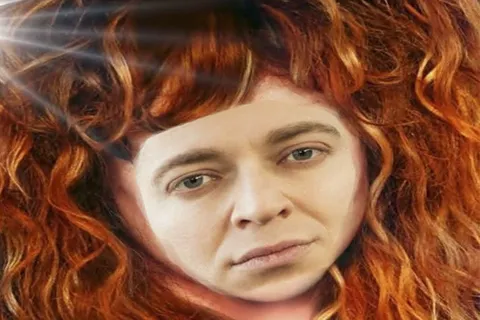
Two similar-sounding names
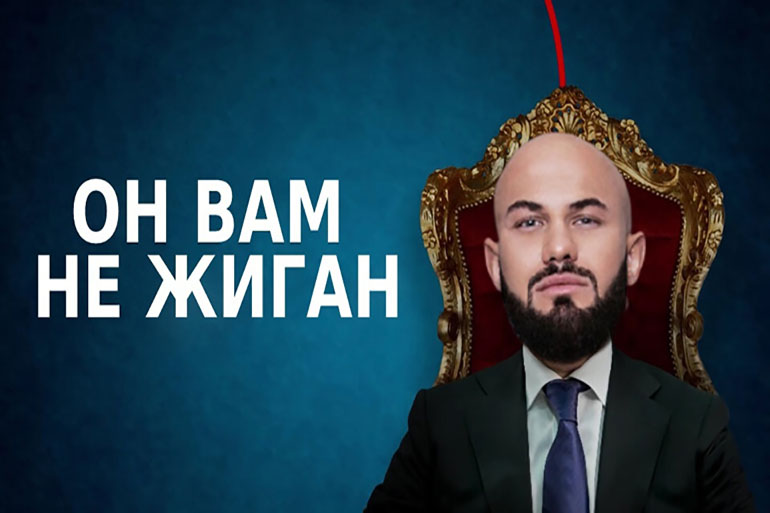
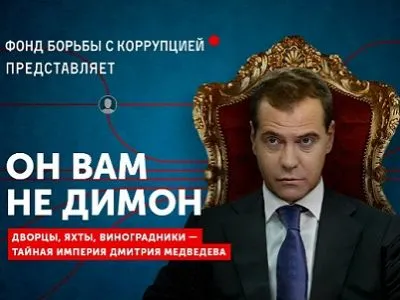
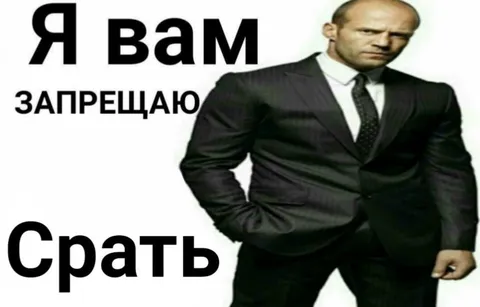
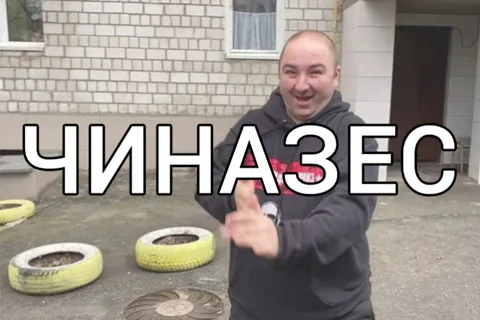
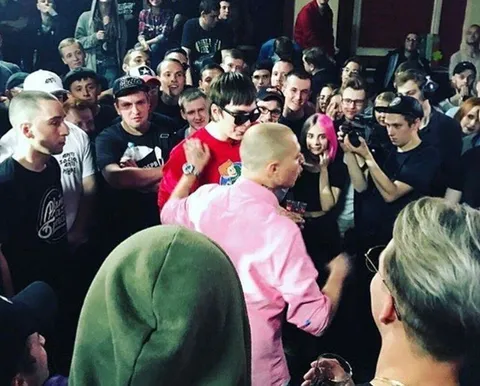
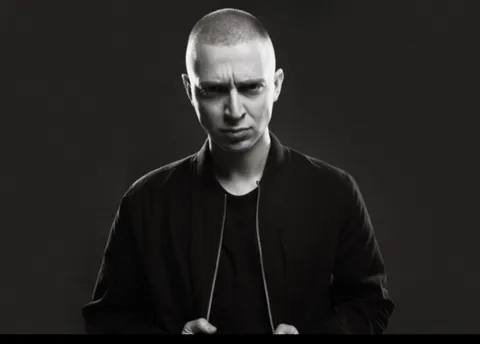
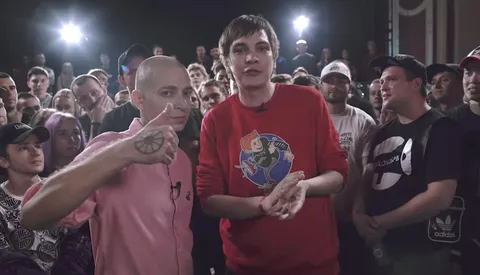
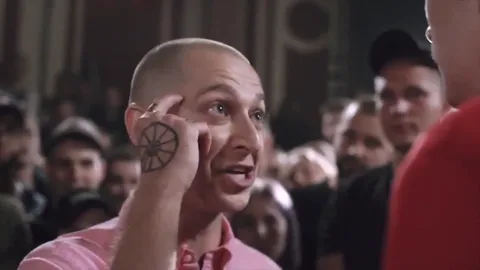
The meme pits Roma Zhigan against the rapper Dzhigan — two different people whose names sound alike. In 2021, Oxxxymiron released the song "Who Killed Mark?" ("Kto ubil Marka?"), which touched on the history of his feud with Zhigan. Amid the ensuing discussion, listeners started joking about how easy it is to mix up Zhigan and Dzhigan. The simplest version of the joke just puts their photos side by side and challenges the audience to spot the difference.
Reports from that period described people mistakenly messaging Dzhigan, thinking he was the other performer. That shows the confusion wasn't purely a made-up pun but a real effect of the similar names. Still, the meme images aren't biographical material, and the old feud has its own separate history that shouldn't be retold through unverified captions. The song's official music video confirms the musical occasion dates to 2021.
The pun and the visual difference
The sound difference is nearly minimal: one name starts with a plain "Zh" sound, the other with a "Dzh" sound. In writing the two are distinct, but in speech and in quick typing they can blur together. That's why the format both explains and amplifies the confusion at the same time. Users picked out photos of the two artists, compared their clothes, hairstyles, or expressions, and the captions turned a simple linguistic game into a mini quiz.
The funniest part here isn't necessarily any physical resemblance. The joke rests on the audience feeling confident the names are already familiar while still mixing up who's who. In accurate writing, the names should be spelled out separately, and one person's actions shouldn't be attributed to the other. The meme shouldn't be used to spread a false story or accusation disguised as harmless wordplay.
Variations for the name mix-up
Side-by-side photo comparisons get captioned with lines like: "This is Zhigan, and this is Dzhigan — got it right on the first try? Congrats, you know more about rap than half the commenters" or "One letter changes everything: texted Zhigan, got a reply from Dzhigan." These captions work specifically off the mix-up between the two artists' names, not some abstract similarity in sound — that's exactly where the joke lives.
For a music-context version, you could caption a pair of photos: "Zhigan is the one the song's about; Dzhigan is a different artist — don't mix up who you're addressing." That caption leans more toward explaining the meme than joking, but it helps prevent confusion. Don't copy other people's photos without regard for rights, and if the comparison involves people you know personally, it's best to get their consent.
Context without false sensationalism
The meme fits well in a post about similar names, search mix-ups, music news, or language humor. If you're discussing the old feud, keep confirmed public events separate from meme exaggerations, and don't add details that aren't needed to explain the pun. A short line about the song and the two different artists is usually enough.
Don't present the joke as if Dzhigan and Zhigan are the same person or part of the same project. If you quote the song, stick to the title and a brief description of the occasion rather than reproducing the lyrics in full. The meme's strength lies in a single letter and the audience's sudden uncertainty, not in gossip. Keep that precision, and the joke stays understandable even to people who weren't following the music news of 2021.