A random sign in Memphis
The history of the movement began in January 2017 in Memphis. Peter McIndoe saw a demonstration and joined the crowd holding a Birds Aren’t Real sign. By his account, he chose a deliberately absurd claim and improvised explanations on the spot, talking to people around him like a convinced supporter of an invented theory.
The result was not just a caption for a photo but a character who could answer questions. The project continued beyond that meeting: public talks, gatherings of supporters and trips followed. McIndoe kept up the image of a man who holds a frightening secret and considers everyone else not attentive enough to the obvious signs.
The pigeon as a device: the invented logic of the conspiracy
In the movement’s legend, the US government destroyed the real birds and replaced them with surveillance robots. This is part of the satirical fiction, not a claim about the actual nature of animals. The story of a vast operation explains any minor event: instead of coincidence, a hidden function is found everywhere.
In this story, birds sitting on power lines are supposedly charging batteries. Bird droppings become a tracking tool, and the absence of baby pigeons is offered as evidence that the devices leave the factory already grown. It is precisely the familiarity of these observations that makes the parody clear: the fantastic conclusion is built from things the viewer has actually seen.
A serious tone and a small hint that it’s a joke
McIndoe said that participants tried to leave a noticeable absurdity in their talks that let people recognize the game. For example, for a supposedly exposing interview with a former intelligence officer, they hired an actor and deliberately played the scene for comic awkwardness. The speaker could use a serious voice, but the content was not supposed to become an ordinary plausible accusation.
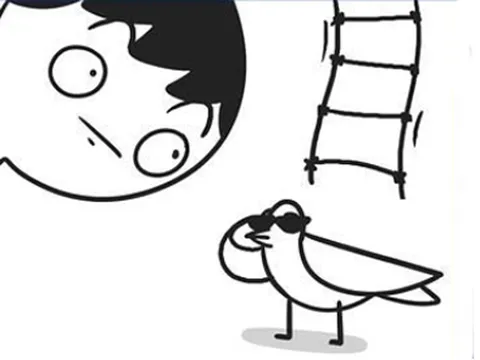
Slogans, standalone images and captions grew out of this manner. Careful observation of a bird turned into a counter-observation: a person looks at a pigeon, and the pigeon seems to be gathering information about the person. This way, a long invented story is compressed into a single everyday scene.
From a street character to a book
Later, McIndoe began publicly explaining the satirical nature of the project and discussing how people perceive conspiracy stories. In a 2023 interview, he spoke about moving from the role of a convinced “whistleblower” to speaking in his own name. For this reason, the hero’s serious behavior in the older videos cannot automatically be taken as the creator’s sincere belief.
The book Birds Aren’t Real, written by McIndoe together with Connor Gaydos, came out on June 4, 2024. It continues the movement’s fictional world: a deliberately solemn account of surveillance, accompanied by illustrations and pseudo-documentary details. It is a development of the same comic project, not a discovered story about a secret government program.
The crossed-out bird and new captions
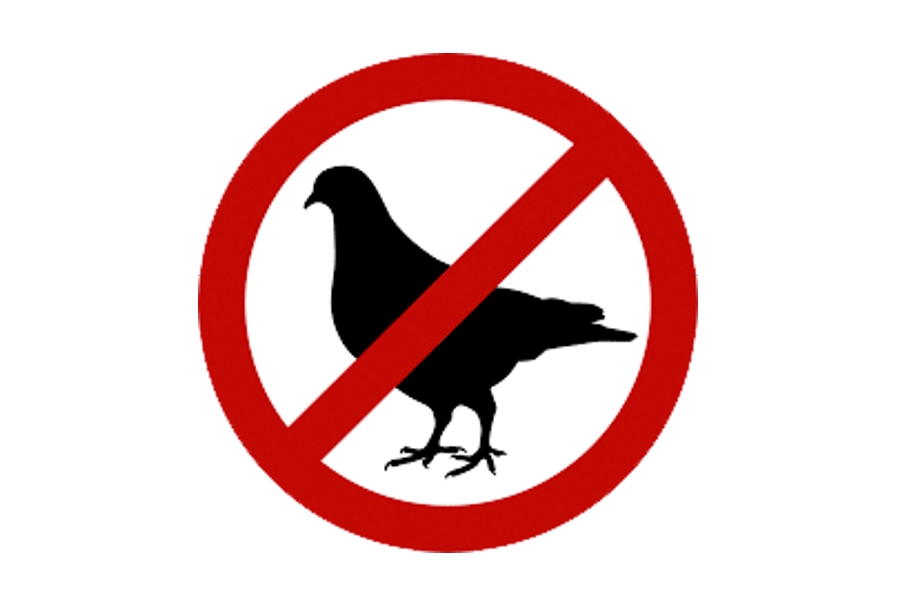
In the picture, a black silhouette of a pigeon is placed inside a red prohibition circle. There are no cameras or mechanical parts on the bird. The image looks like an ordinary pictogram, and the absurd explanation arises from the title and caption: the sign seems to forbid believing in the existence of what is drawn right on it.
Invented examples develop the movement’s fictional logic. “The pigeon has been staring at my balcony for three days. Did my subscription trial end?” Ordinary behavior becomes a technical service.
“The birds flew south. Apparently they installed an update there.” A seasonal phenomenon receives a deliberately computer-style explanation.
“I fed the pigeons. Now I’m afraid I extended their battery life.” The narrator seems to have helped an imaginary surveillance system himself. Such captions continue the recognizable parody while remaining separate new jokes.