The reason for the debate
In the summer of 2019 a series of mass shootings took place in the United States, after which some politicians and commentators again began talking about video games as a factor that provokes aggression in teenagers. This claim was not new to public statements: the link between games and violence has been raised in Western media since the 1990s, each time sparking a fresh round of debate among gamers, journalists and researchers.
By that point many researchers had already pointed out that science does not confirm a direct causal link between playing video games and real-world aggression, and that violence rates in societies with heavy game consumption do not necessarily correlate with rising crime. Still, the topic kept returning to the public agenda precisely because video games are an easy and visible target for criticism, unlike the more complex social causes of violence.
The birth of a hashtag
In response to yet another wave of accusations on Twitter and other social networks, the hashtag #VideoGamesAreNotToBlame ('video games aren't to blame') began to spread. Under it, users posted screenshots and short clips from their favorite games, accompanied by ironic captions about what is actually happening on screen while adults debate youth violence.
The flash mob quickly grew massive. Not only ordinary players joined in, but also streamers, bloggers and journalists from gaming outlets, who saw in it a convenient occasion to remind audiences of the difference between game content of different genres and age ratings.
Why Minecraft ended up in the frame
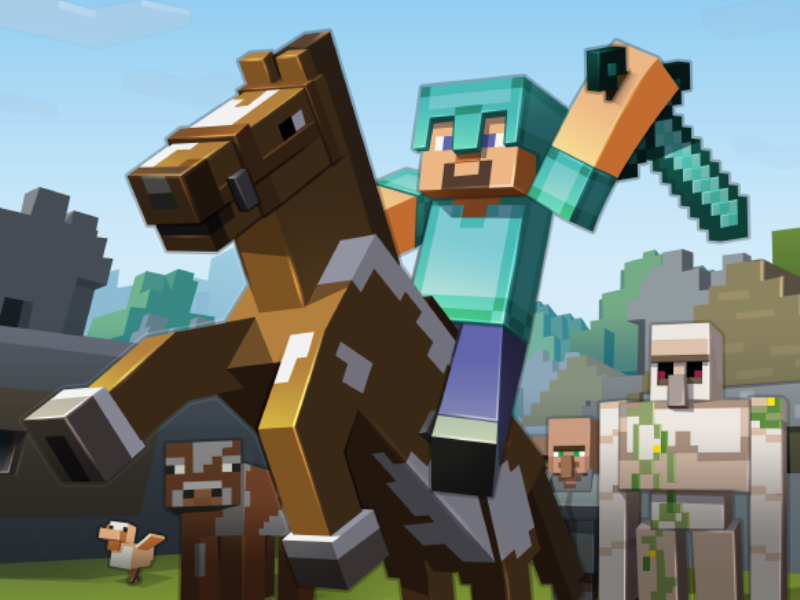
Among the games most often cited by flash mob participants was Minecraft, one of the most popular and at the same time most 'harmless' games in the world, built around gathering resources, construction and farming. Shots of a character on horseback surrounded by friendly animals and buildings worked as a clear counterargument: this is how millions of children actually spend their time playing, not with weapons in hand.
By then Minecraft was already widely used by schools and educational projects as a tool for teaching programming and collaborative work, so the reference to this particular game sounded especially convincing. It was hard to reconcile the image of a farmer on a horse gathering materials to build a house with the familiar cliché of the aggressive gamer.
How the meme reached the Runet
The flash mob was quickly picked up by Russian-language pages and sites devoted to internet culture, which retold the gist of the phenomenon for an audience following the American news agenda from the outside. In the Russian version the emphasis shifted from specific political statements to the broader thesis that blaming games for real violence is an oversimplification that ignores many other factors.
Russian-language authors added their own examples and jokes to translated material, adapting the American context to local realities. Discussions often recalled domestic debates about the harm of computer games that had been going on long before the hashtag appeared.
Typical captions and format
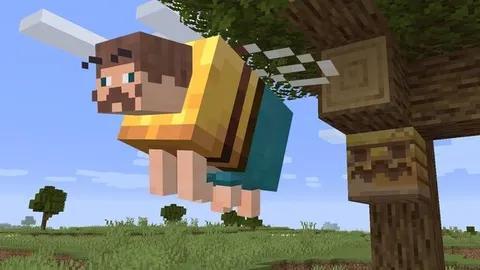
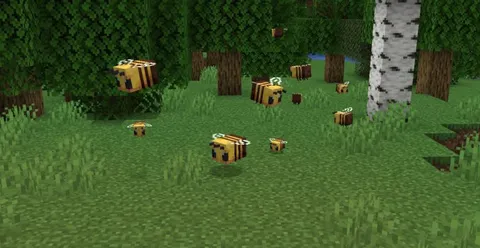
The meme's format is simple and easy to replicate: take a screenshot from a peaceful game (building a house, caring for animals, solving a puzzle) and caption it in the spirit of 'this is what makes kids pick up weapons' or 'the very game that turns teenagers violent.' The irony rests on the contrast between the alarming rhetoric and the completely harmless content of the frame.
The meme's life after the flash mob
The format did not disappear after the first wave in 2019. The template resurfaces from time to time with every new public debate about video games and teenage aggression, now used less as a knee-jerk reaction to a specific event and more as a ready-made argument in the broader dispute about the causes of youth violence.
With each new round of discussion the set of example games expands, and other family-friendly and cooperative titles get added alongside Minecraft. The meme's core logic stays the same: show the most peaceful gameplay possible to counter the alarming rhetoric about 'murder games.'