The newspaper and the city
Kopeysk is a city in the Chelyabinsk region, one of the centers of the coal industry in the southern Urals. Local newspapers in cities like this usually have small print runs and publish municipal news, announcements, summaries of enterprise work, and holiday greetings. The name “Kopeysk Worker” points to the city's working history and to the kind of publication aimed first of all at local readers.
The photo shown in the catalog displays a spread of the newspaper with a logo and the greeting “Happy New Year 2016.” There is one inconsistency here. The entry dates the meme to 2013, but the greeting on the cover refers to 2016. The photos may have been taken after the meme began to spread, or the catalog date may refer to a different stage of the story. This entry does not allow us to establish which date is more accurate, so the article gives both.
Where the series came from
According to the description, the photos were taken by a Kopeysk native whose husband works in film production. Such a connection explains how a local newspaper could end up in the hands of people from American cinema: through personal contacts rather than official channels. This kind of thing is common: a provincial object ends up in front of the camera through connections within the industry.
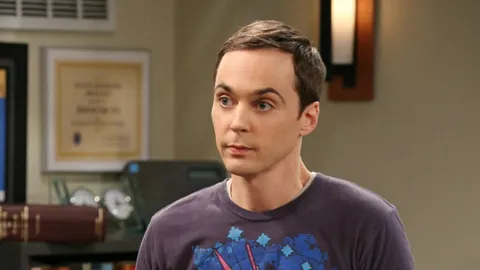
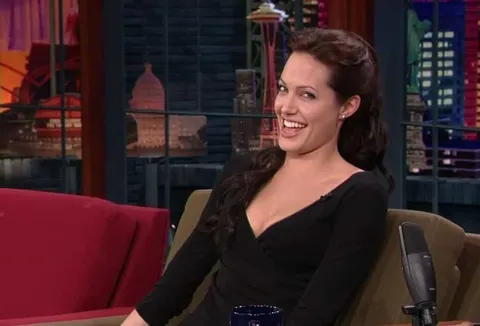
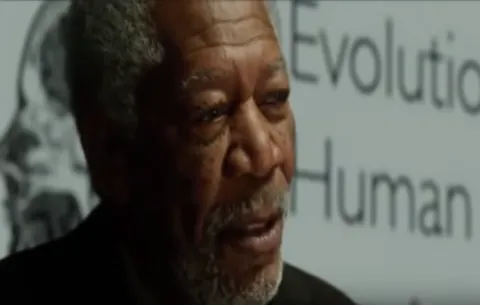
The tags of the entry list six names: Angelina Jolie, Ben Affleck, Leonardo DiCaprio, Morgan Freeman, Tom Hanks and Will Smith. The catalog lists them as participants in the series. The list of names alone does not prove who is pictured in each shot, and this article cites it only as an indication of the source of the description. The photos as a whole look like posed shots with smiles and an open newspaper, with no sign of covert filming.
Why the joke works
The meme's main mechanism is the contrast of scale. Figures of world cinema, known from awards and major projects, hold a small regional newspaper showing photos of local events, ads and holiday cheer. The viewer immediately notices the gap between the glossy look of Hollywood shoots and provincial printing.
The joke, however, is not built on mocking the readers of Kopeysk or the newspaper itself. The irony targets the situation: it looks like a prank in which a celebrity seems to be advertising a local issue. This combination is familiar in internet humor, where any object from an unfamiliar context becomes a source of laughs. Here the newspaper serves not as a target of ridicule but as a symbol of an everyday world that is unexpectedly far from Hollywood.
How the meme spread
The series quickly spread across Russian-language social networks and forums. It was picked up in the form of collages showing the actor holding the paper, with a caption adding an absurd provincial news item. This format makes it possible to transfer the joke to any topic, so the meme lived longer than the photo shoot itself.
Examples of captions often seen in such collages: “Kopeysk Worker: today's issue features an interview with Morgan Freeman on page five; subscriptions are still available at the local post office” and “Readers of Kopeysk learned about the premiere firsthand: the line for the fresh issue formed first thing in the morning.” Both captions are written in the newspaper's own businesslike, local tone, and it is precisely this contrast that makes them funny.
What remains unclear
The entry contains no original source of the photos, no name of the photographer, and no confirmation that the actors knew about the publication. It is not established whether the photos were staged specifically for the joke or were taken as part of work trips and meetings. The catalog's description conveys the version involving a Kopeysk native and a producer, but this version has not been verified against independent material.
It is therefore more accurate to describe the meme as a phenomenon tied to a specific newspaper and photo series, and to describe its origin as unconfirmed. This does not negate that the image itself became a notable example of how a local print issue can turn into an internet joke. For the reader, what matters is that the facts about dates and participants in the catalog either conflict or lack supporting links, and that is what should be weighed when assessing this entry.