What the picture shows
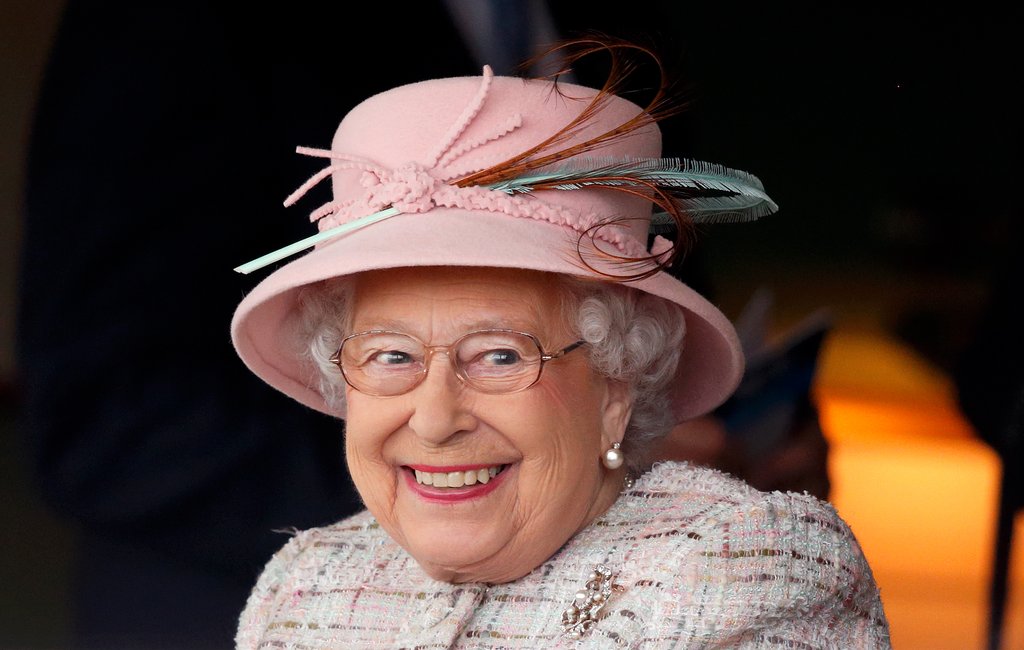
The meme’s illustration is an ordinary press photograph of Elizabeth II: the monarch is shown in close-up wearing a pink feathered hat and a tweed jacket, smiling broadly and looking off to the side, a typical frame from one of her official public appearances. There are no editing elements, captions, or distortions on the photo itself; all of the meme’s “memeness” comes from the headline and text rather than the visuals.
Format and content of the joke
The essence of the meme is the claim that Queen Elizabeth II of Great Britain will die specifically on January 5, presented in a pseudo-news or pseudo-prophetic tone that imitates an article headline or an astrological forecast. The format copies the style of tabloid newspapers and clickbait headlines, which make a loud statement without any confirmation.
Such “prophecies” about the deaths of celebrities are a separate subgenre of internet humor, in which a particular person and date are chosen arbitrarily, and the very absurdity of a precise prediction becomes the source of the laugh: the viewer understands that the author cannot know this for certain and takes the statement as a game, not as a real threat or insult.
How the joke turned into a conspiracy theory
Despite its originally unserious nature, the phrase about a specific date gradually began to be picked up by an audience inclined to look for hidden meanings and coincidences: people cited numerology, old rumors about the health of the royal family, and other quasi-conspiratorial arguments. This shift from joke to “theory” is typical of internet predictions: a grain of absurdity accumulates pseudo-evidence simply because the audience wants to see a pattern in chance.
It is not known who first put forward this particular date, or on what basis; the origin of the specific wording “January 5” has not been established.
The meme’s reality and later fate
There was never any real medical or other basis for the queen to die specifically on January 5. The prediction did not come true, and Elizabeth II went on performing royal duties for many years after the meme appeared. The monarch died on September 8, 2022, in Scotland, at the age of 96, that is, on a completely different date and of natural causes linked to old age.
After her actual death, old screenshots and mentions of the “January 5” meme often resurfaced in comments as a curiosity. Users recalled the failed joking prediction and contrasted it with what actually happened, which gave the meme a second wave of recognition in an ironic “we got it wrong” spirit.
The meme’s place among similar jokes
Jokes with a precise, deliberately invented death date for a celebrity existed on the Russian-language internet (the runet) both before and after the story of Elizabeth II. Most often they targeted performers, politicians, or other public figures of advanced age, whose death the audience saw as statistically likely but uncertain in timing. The mechanics of the joke do not imply any serious wish of harm toward a specific person: it is more a play on the genre of predictions and on public attention to the health of elderly celebrities than a statement about a real tragedy.
Thanks to Elizabeth II’s status as one of the most recognizable and long-reigning monarchs of our time, the joke about her death gained especially wide circulation and stayed in users’ memory for a long time, unlike many similar but less viral versions about other public figures.