The history of the viral thread
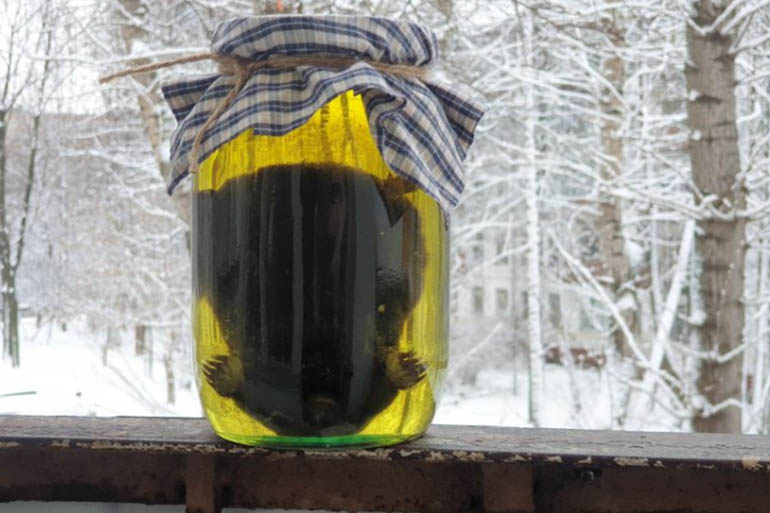
In December 2022, a user of Russian-language Twitter mentioned a tincture with a mole while discussing an old-style drink. He then published a separate thread telling about acquaintances, a jar and a tasting, adding a warning about shocking content. The combination of an everyday delivery and an incredible subject drew reactions instantly. An archived copy of the thread confirms its content, but the story about the jar itself remains the author's account, not independent laboratory confirmation.
The text form of the meme often includes the name "krotovukha," a jar or a toy image of a mole, and a pointedly serious tone. Derivative posts brought fictional "tinctures" made from other animals and objects. This is the development of an absurd joke, not grounds to think such drinks exist as safe products or that making them is acceptable.
Why the combination stuck
The word is built on a familiar pattern of drink names, so for a second it sounds almost plausible. Then the reader learns the unusual ingredient and meets the grotesque. The long-thread format also helps virality: the author gradually reveals details, warns about the unpleasant subject and keeps the tone of a travel report. People retell not only the single word but the escalating story itself.
The joke is nevertheless tied to real animals and potential harm. Don't romanticize the contents of the jar, urge anyone to try the tincture, or repeat the story as a universal recipe. The exact composition and safety of the described episode were not independently verified; the article records it as the content of a viral story. If the post is for a wide audience, it is better to focus on the structure of the internet tall tale and not dwell on the details.
From a story to derivative memes
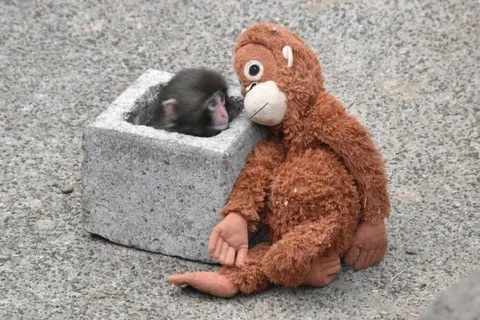
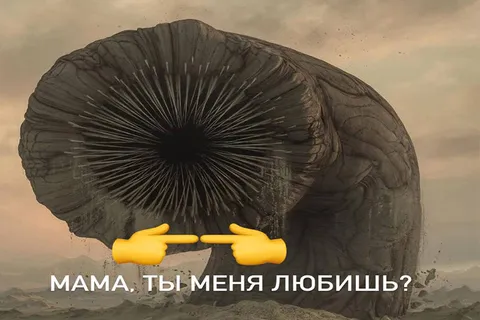
The first thread gave rise to comments, retellings and variations that combined the original name with other animals or cultural images. By the end of the year, neural-network-generated images, joke "labels" and suggestions to replace the jar with a toy appeared. This is a typical path for an internet story: a repeatable short word allows building new versions without retelling the whole original narrative.
However, not every picture with a mole belongs to the original thread. The local illustration serves as a visual association, not proof of a real recipe or confirmation of the object's identity. The exact dates of each derivative post and the authorship of individual drawings are not established. The article separates the confirmable published text from unverifiable details passed along inside the joke.
Examples of safe use
In a friendly conversation you can reuse the pattern without animals: "coffeehooch" is a playful name for a very unsuccessful drink nobody is obliged to try. For a work chat: "Opened a document named 'urgent final final-final'; looks like we have a bureau-hooch on our hands." The humor comes from the unusual word and exaggeration, not from an image of a suffering creature.
Another option is to make a label for an imaginary tincture of safe household components: "tea with three spoons of honey, made at three in the morning." The caption could be: "Recipe tested only on the desire to go to sleep." Don't show a live or dead mole or spread instructions for using animals or dangerous liquids.
If you retell the story, label it a viral thread, not a verified event. Give a warning about the unpleasant content and don't turn someone else's story into medical advice. It is better to build new captions around the unexpectedly solemn name, the friends' overblown reaction, or a dubious menu, preserving the dignity of animals and not encouraging experiments.