What's in the image
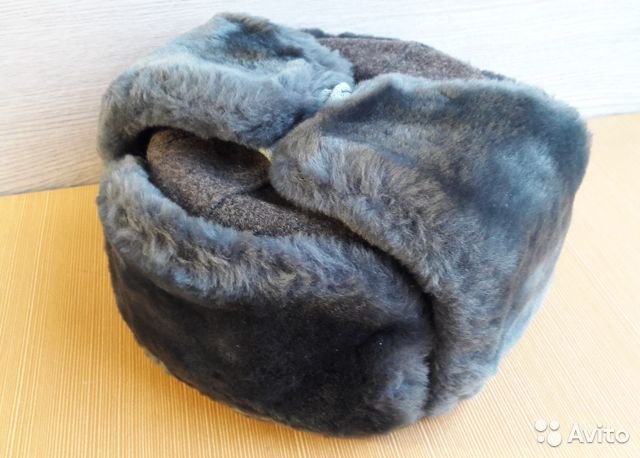
The image is thoroughly mundane: a dark fur-trimmed winter hat (an ushanka) with gray fur, photographed from the side on a light wooden surface. The hat's ear flaps are folded up, revealing a brown felt crown underneath. In the bottom right corner of the photo is a classified-ads website's watermark. In other words, this isn't a purpose-made meme image, but a typical product photo from a listing.
The picture alone can't tell you the hat's age or the fur's material; only the style and color are visible. For the joke, that doesn't matter: all that's needed is a recognizable symbol of winter clothing that can be "put on trial."
The watermark immediately signals that the photo was lifted from an ordinary sales listing rather than staged for the joke. That everyday randomness adds to the comedy: the most mundane object in the house gets cast as the target of a "great struggle."
How the joke came about
The first "anti-hatters" posts appeared on VKontakte on June 26, 2021. The manifesto text spread as copypasta: users copied the same wall of text onto their own pages, and from there it made its way to Facebook and Twitter. The author remains unknown.
The manifesto lists about ten arguments against hats: a hat doesn't guarantee one hundred percent protection from the cold, it breeds distrust of manufacturers, it supposedly harms health, and it even "irradiates" us via satellite communications. That last point nods to familiar conspiracy theories. One source claims pundit Dmitry Puchkov picked up the meme, but this isn't confirmed by any other source.
Whose manner is being mocked
The meme is built as a mirror. In the summer of 2021, Russia was in the middle of debates over mandatory vaccination, and the argument over vaccines was loud. The manifesto's authors took recognizable rhetorical tricks and transplanted them onto a harmless object: "there's no hundred percent guarantee," "you can't trust the manufacturer," "nobody asked us." The device exposes the weakness of that kind of logic: any argument can be stuck onto absolutely anything.
What's important is that the manner of arguing is being mocked, not specific people or their choices. The joke proves or disproves nothing about actual vaccines.
It's also worth noting the genre: the manifesto is written as copypasta — text that isn't retold but copied wholesale. That format has long been familiar to social media users on its own, and it's exactly what makes the joke contagious: all it takes is hitting "copy" to become one of its spreaders, without having to come up with anything yourself.
Examples in the spirit of the manifesto
Here are made-up examples showing how the parody is built.
"A hat doesn't give you a hundred percent guarantee against the cold, which means it's a scam." This uses a deliberately unreasonable standard: absolute protection.
"I found three hats that fell apart before their time. The conclusions are obvious." A single example is passed off as a pattern; the deliberate logical fallacy is what makes it funny.
"My grandfather never wore a hat and lived to ninety." The classic "well, back in my village" move. The contrast with the ushanka in the image underscores the absurdity of the argument.
"We demand equal rights for ears!" The slogan sounds like it escaped from a protest rally, and the humor is in its seriousness.
How to use the image
The hat photo works well under any "manifesto" during winter season, or as a caption to absurd arguments from everyday disputes. The deadpan, bureaucratic tone works best of all: the flatter the delivery, the more the absurdity stands out.
A series also works well: a "manifesto" of several points first, and then the hat photo at the end as "physical evidence." That order gives the reader time to get drawn in before deflating the seriousness. It's worth remembering that the meme arose against the backdrop of a genuinely heated dispute. If the joke is aimed at a specific person, it can come across as mocking their opinion, so use it carefully in private conversations.