When an object itself marks an era
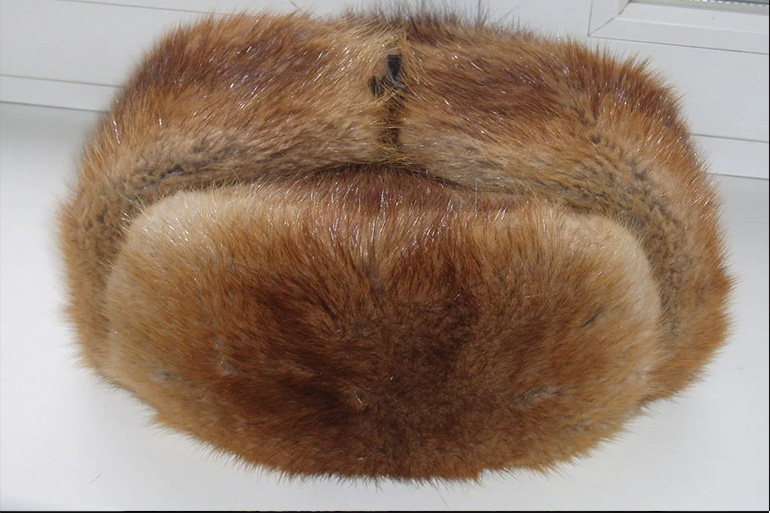
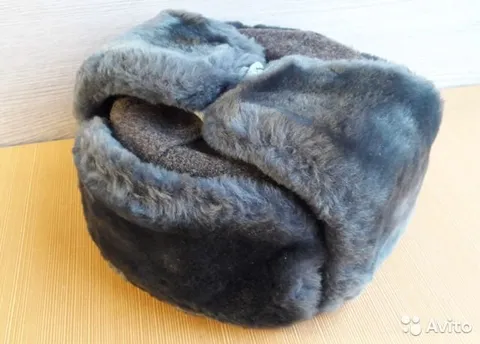
In the picture the fur hat is shown alone, without a character and without a caption. Because of this the object easily becomes a symbol: the viewer recalls photos of their parents, old family albums, and winter walks from childhood. In the original version of the trend the hat was linked to the word "azhiotazh" (frenzy) and debate about how to talk about popularity—the traditional way or with the trendy borrowing "hype." The object marked generational distance.
Important detail: this doesn't necessarily concern a specific hat model or fashion of a particular year. The meme uses a generalized silhouette of a fur hat that many find old-fashioned. Visual simplicity leaves room for a caption: just mention a new technology, word, or habit, and the hat becomes an unexpected measure of age and cultural awareness.
Collision of "Hype" and familiar words
Humor appears when youth slang meets an object considered an attribute of an older generation. Someone explains a show's popularity with the term "hype," and the picture seems to answer: "in my family we called that azhiotazh." Such contrast doesn't prove one word better than another; it jokes about how language and fashion change together with the audience.
The hat can mean the opposite: a person happily wears something others already declared outdated. Then the meme turns from a jab at the past into self-irony about trends returning. It has no single strict meaning: the caption sets the meaning while the photo itself serves as a short visual sign of the old, domestic, or unexpectedly relevant.
Examples for your feed
Caption: "Everyone says 'let's hop on Zoom,' and grandpa calls it a video call." This moves language debate into a family scene. Fashion example: "Bought something from an old closet—a week later it's already called vintage." Here an object witnesses the cyclical return of style rather than proving owner's age.
For a tech chat: "The app just shipped a feature my fur hat beat it to decades ago: going out of style and coming back." This is deliberately absurd personification. Another option: "Everyone has a 'content plan,' my mom has a list of what needs photographing at the dacha." A rework works if the specific word is actually familiar to your audience; a long explanation of cultural debate takes lightness from a short joke.
Tone without age-based mockery
The meme suits friendly nostalgia, jokes about vocabulary, and talk about what yesterday was considered outdated but is trendy again today. It can target the author: "I called it old stuff first, now I'm looking for the same one." This twist reduces the risk of using an object as an excuse to demean elders or those who don't use new expressions.
You shouldn't deduce age or identity from a fur hat alone. The picture shows an object on a neutral background and tells nothing about the owner, material, or the date it was taken. Nor is it necessary to pretend that "hype" belongs exclusively to one age group. The most accurate joke concerns rapidly changing language and the cyclicality of fashion, not judging people by their clothes.