The history of “Lion, If He Ever Sucked At It” and its known context
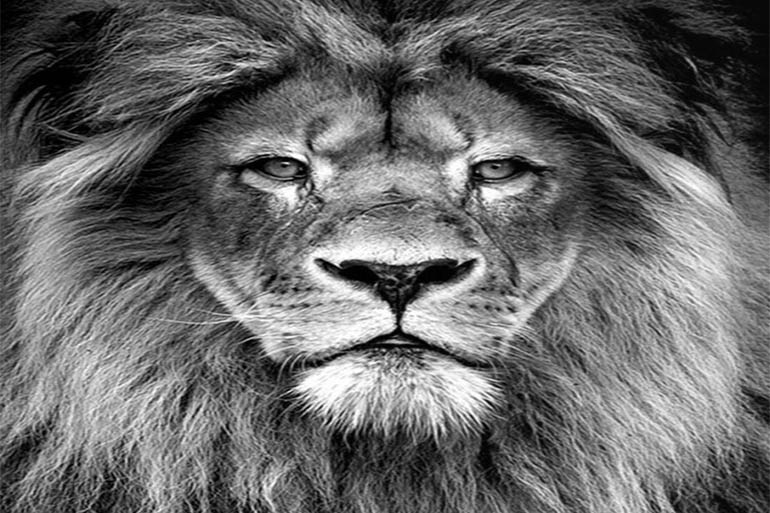
The template is built on a black-and-white close-up of a lion's muzzle with a heavy, almost haughty gaze. The viral formula took shape in Russian-language social media in spring 2025 and quickly became variable: the action, the character and the situation changed, but the caveat that everything was done without pleasure remained. The exact author of the original caption and the first post have not been reliably established, so tying the meme to a specific account would be wrong.
The context is recognisable from the aesthetic of “tough guy quotes”: dark images of predators, a stern intonation and declarations of strength. Here this style is taken to absurdity. The lion, a symbol of regal superiority, admits to a shameful activity and then saves his status with a demonstrative caveat. The combination of a proud pose and a petty self-justifying detail forms the frame of the joke.
How the “Lion, If He Ever Sucked At It” joke works
The construction usually takes the form of a conditional admission, “if he did X, then…”, followed by a clarification that the hero did not enjoy the process, did not try, or acted purely out of spite toward circumstances. The humor is born from the gap between the grandeur of the image and the pettiness of the excuse. The more ridiculous the action, the more serious the attempt to save face sounds.
In this template what matters is not the forbidden act itself but the theatrical control over emotion. The character seems to answer in advance an accusation nobody made. So the meme simultaneously plays at tough bravado and mocks it: the “cool” persona is so afraid of seeming weak that it has to prove at length that it took no pleasure. If you remove the opening “if he did” and the theatrical seriousness of the excuse, the phrase turns into a plain admission and stops working as a meme.
Your own captions for “Lion, If He Ever Sucked At It”
“Lion, if he ever watched the series finale, then only to check whether they ruined the plot.” The caption turns an ordinary viewing of a melodrama into a compromising weakness and at once disguises it as expertise.
“Lion, if he ever ate vegetables, then purely so the meat wouldn't feel lonely.” Here the unnecessary detour is the joke: a simple action is described as a forced favour that preserves the predator's reputation.
“Lion, if he ever came to karaoke, then only to test the microphone.” This works well for a photo of a stern lion: the action clearly implies participation, while the explanation pretends the hero was merely performing a technical check.
When “Lion, If He Ever Sucked At It” fits
The template suits friendly chats about small weaknesses, awkward compromises and activities a person supposedly despises but still does. It works well as self-irony: the author confesses to a harmless misdeed and plays out an unflappable defence. For example, after a late-night fast-food order, you can claim it was a “potato quality check.”
The meme is less suitable for genuine confessions, conflicts, and topics where the word “sucked” or sexual ambiguity could hurt the recipient. Its energy rests on safe absurdity and a conventional masculine pose. When using the image in a public conversation, keep in mind the coarse vocabulary of the original formula and do not transfer it to a specific person without friendly context. A good caption leaves a clear gap between the deed and the excuse: the reader should notice that the hero invented the accusation himself and then solemnly refuted it.