The original film
"Pulp Fiction" (1994), directed by Quentin Tarantino, is a cult film built on a nonlinear plot and dialogue about pop culture. John Travolta plays Vincent Vega, a hitman for the Los Angeles mob who spends an evening with a new partner and unexpectedly finds himself in an awkward situation. The film gained wide fame, and the role of Vega became one of the most quoted in the movie.
It's in one of those scenes that the character momentarily loses the thread of the conversation and looks off to the side, throwing up his hands. The specific frame used for the meme has not been conclusively attributed in open sources, so the exact moment in the film isn't specified in this article.
Spread of the meme
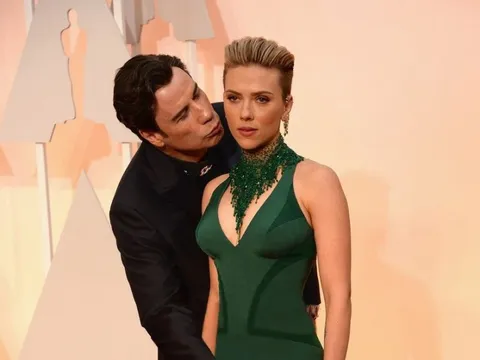
In the mid-2010s the shot became a popular reaction on social media and forums. People used it in comments when they didn't get a joke, didn't know how to respond, or received unexpected news. The meme works thanks to the body language: the pose is recognizable even without a caption. It also helped that the frame is easily recognized even at a small size and doesn't depend on language.
Captioned versions appeared both as pictures and as short GIFs. Travolta was often inserted into scenes unrelated to the film, with the text supplying a specific situation — everything from everyday puzzles to political events. The popularity rested on how easy it was to repeat and on how recognizable the actor is.
Usage and variations
Today the template is used as a quick reaction to a confusing question, a strange answer from the other person, or contradictory news. In conversation it's often paired with words like "what was that," to underline the bewilderment. The template sometimes even turns up in official posts, where a brand or an agency portrays its own confusion.
The variants fall into two groups: some keep the original frame unchanged, while others swap the face or background while keeping the pose. The second group is less common but allows the meme to be used for broader irony.
For some users the template has become part of their personal vocabulary: they send it to friends in response to short strange messages, without explanation, because the pose already conveys the needed tone.
Cultural context
The meme is interesting in that it links cinema and everyday speech. A film shot more than twenty years ago continues to live on in templates that require no knowledge of the plot. That's exactly why one character's bewildered gesture became a universal language of emotion. It also serves as a reminder that a meme can outlive the film and change meaning depending on context.
The exact date the frame first appeared online and the author of the first compilation have not been conclusively established in open sources. The article describes the meme by its spread and place in culture, without specifying the original source.
The actor, meanwhile, remains the meme's main figure, and the character himself is perceived as a symbol of bewilderment amid the confident, almost flawless gestures of his role. This effect arises largely from the contrast between the hero's charisma and the moment of weakness that briefly throws him off balance.