What the format is
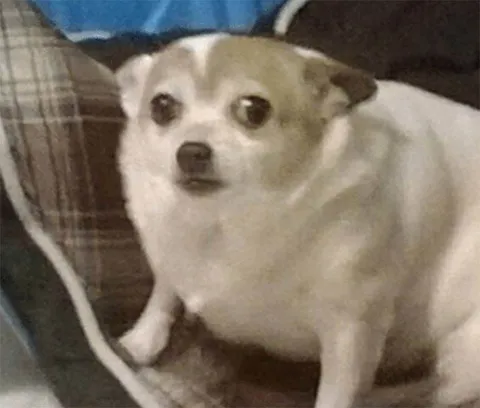
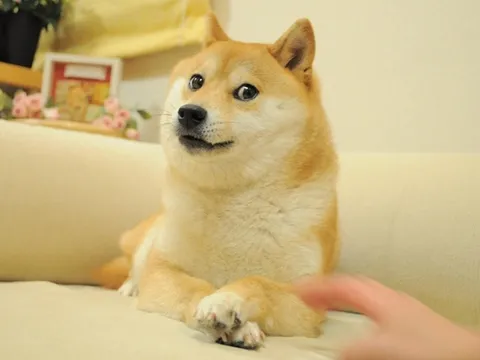
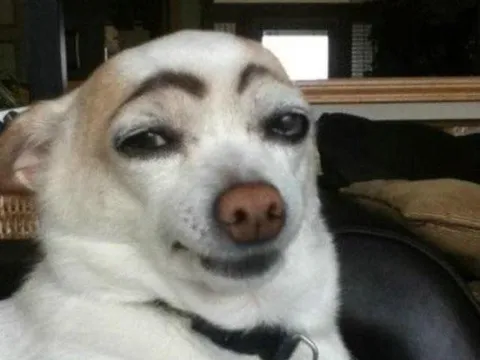
“My Totem Animal” (in English, spirit animal) is an internet image format that shows an animal the person, by the author's intent, associates themselves with. Usually a short caption is added with the animal's name and an explanation of why it fits the character or state of the person who chose it. The meaning is built on irony: the word “totem” refers to serious ritual beliefs, while the choice almost always concerns everyday traits such as laziness, sleepiness, love of food, or an unwillingness to hurry anywhere.
The catalog dates the format to 2014. This coincides with the period when such pictures were widely shared on English- and Russian-language social networks, but a single author or an exact day of first publication could not be established.
Origin of the term
The expression spirit animal goes back to the beliefs of several Indigenous peoples of North America about a guardian spirit that a person receives or acquires during their life. These beliefs are described in ethnographic literature on totemism and have entered encyclopedic articles on the subject as a separate topic.
The ironic use appeared long before the pictures. According to a piece by journalist Megan Garber, published in 2014 in The Atlantic and reprinted on Andrew Sullivan's blog, the earliest known ironic use dates to August 2006 and appears on the Shroomery forum: one participant called actor Samuel L. Jackson a spirit animal. In October 2007, the character Peggy Olson from the series “Mad Men” was called a spirit animal, with praise for her vividness. So the joke existed in text discussions for several years before it settled into the form of pictures.
Becoming a meme
The shift from a text joke to a picture with an animal happened later. The exact moment when the format finally took shape as captioned images is not known. It is known only that in the following years such pictures spread widely and the name became firmly attached to them as a stable label.
The format works well because it needs no explanation. The viewer immediately sees the gap between the grand name and the everyday image, and that is enough for the picture to land. That is also why it is easy to reproduce: you only need to find a suitable animal and write a caption.
Image and match to the description
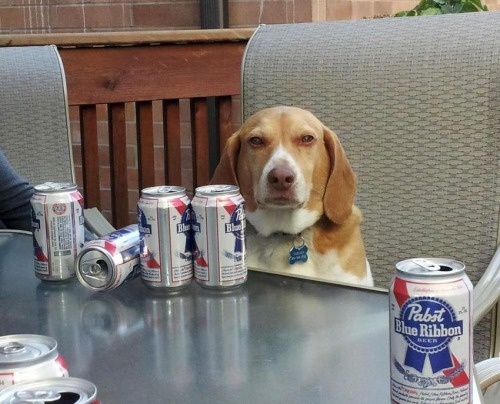
The photograph shows a beagle sitting at a metal table. In front of it are three cans of Pabst Blue Ribbon beer, one of which lies on its side and another stands in the foreground. The dog's gaze is sleepy and slightly wary, and this image can be linked to the relaxation that the format implies.
There are, however, two caveats. First, the photo has no caption with the name of a “totem animal.” Second, the dog in the photo does not look overweight, and the beer-can scene is closer to an everyday joke than to the image of plump and funny animals. The source and date of the photo itself have not been established.
How the format is used today
Today the format is used in comments, personal profiles, and photo captions. A user chooses an animal that, in their view, reflects their state or character and adds a short explanation. Most often, lazy, sleepy, or unhurried animals are chosen, since these qualities are easy to recognize and provoke a smile.
The format's popularity rests on self-irony. A person admits their weaknesses through an animal image, which relieves tension, especially when it comes to everyday habits. As a result, the meme keeps appearing in new variants, although the original template remains simple and recognizable.