Origin and first mentions
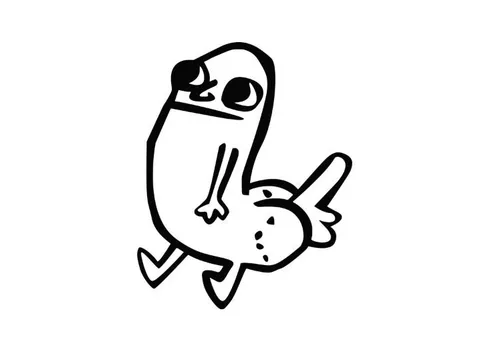
The exact date the first sea-snail thread appeared is not confirmed by open sources, so we go by the approximate 2007 date given in the entry's tags. This is an estimate, not an established fact. The image itself is a cartoon mollusk in a yellowish-brown color, with a large spiral shell, expressive eyes, and a wide smile on an elongated head. It's a typical piece of clip art that wasn't created as a meme: users picked it for its harmless, friendly look. It's precisely the contrast between the serene character and the aggressive tone of the discussions that made it a convenient tool for provocation.
How the morning thread works
The traditional morning thread started with the posting of the picture and a short invitation to talk. Users who checked the board in the morning understood the rules of the game: the thread wasn't made for serious discussion, but to test other people's patience. The trolling consisted of provocation. Someone would put forward a controversial claim or ask a deliberately awkward question, someone else would answer sharply, and within a few posts the thread would turn into a flame war. This dynamic was typical of imageboards in general: almost any trifle could serve as a pretext, and the picture acted as an anchor around which the squabbling built up.
Repetition was an important part of the ritual. The same pictures, phrases, and formulas kept coming back from thread to thread, and regulars recognized them instantly. That's how an internal tradition took shape, one that set the regulars apart from random visitors.
Place in imageboard culture
The sea snail became one example of how Dvach developed its own rituals. Characters like this, along with regular threads and recurring pictures, helped the community maintain a sense of recognition and belonging. Within the platform, the image was treated with irony: it worked simultaneously as a joke about the thread itself and as a reminder that no one should expect a serious conversation there. To an outside observer these rituals often looked meaningless, but for participants they were part of a game that valued either not reacting to a provocation or, conversely, keeping it going with real finesse.
Other little-known Dvach memes
The entry this article belongs to brings together several lesser-known Dvach images. What they have in common is that they almost never spread beyond the community and existed as recurring pictures, lines, and rituals. Many of them survive in archives and old discussion threads, but their origins are often hazy: the original authors didn't sign their work, and the threads themselves were deleted over time. That's why describing memes like this calls for careful wording, rather than presenting guesses as established facts.
Comparing such images shows how imageboards developed their own language. Words and pictures functioned as a code: an outsider saw just a set of symbols, while a regular immediately understood what reaction was expected.
Use today
Today the sea-snail picture mostly shows up as a reference in conversations about imageboards and in nostalgic roundups. It's used in replies, captions, and short remarks, where simply mentioning the image is enough for people to get the irony. The meme is closely tied to a specific platform: outside that context it loses its meaning and looks like an ordinary cartoon drawing. That's exactly why talking about rituals like this is useful for understanding how the culture of the early Russian-language forums worked.